Why Annual Chimney Sweeping Is Essential for Safety
A properly maintained chimney is more than a functional feature of your home—it is a critical component of household safety. Every year, thousands of residential fires start in chimneys due to accumulated soot, creosote, and debris. These combustible materials, if left unchecked, can ignite and lead to catastrophic damage. Beyond fire hazards, blocked chimneys can cause dangerous carbon monoxide buildup, putting your family’s health at risk. Annual chimney sweeping is a preventive measure that protects both property and lives, making it a non-negotiable aspect of responsible homeownership. Additionally, regular maintenance helps identify potential structural issues early, saving homeowners from costly repairs and ensuring the chimney continues to operate safely and efficiently for years to come.
Homeowners often underestimate the importance of regular chimney maintenance, assuming that occasional inspections or sporadic cleanings are sufficient. However, even chimneys that appear clean can harbor hidden risks. Animals, nests, and weather-related debris can obstruct airflow, while creosote deposits may build up internally, invisible from the fireplace opening. Engaging in annual sweeping not only mitigates these hazards but also enhances heating efficiency, reduces smoke backup, and prolongs the lifespan of your chimney. In today’s residential environment, where safety and efficiency are equally valued, understanding the necessity of yearly chimney care is crucial. Furthermore, professional chimney sweeps provide expert inspections that can uncover early signs of wear or damage, ensuring your fireplace continues to function optimally while giving homeowners complete peace of mind.
1. Fire Prevention: Reducing the Risk of Chimney Fires
Understanding Creosote and Its Dangers
Creosote is a highly flammable byproduct of burning wood or fossil fuels. It accumulates inside the chimney flue over time, forming sticky, tar-like layers. Even a thin coating of creosote can ignite if temperatures rise too high during fireplace use. Chimney fires are often sudden and can quickly escalate, spreading to other parts of the home. These fires not only endanger lives but can also cause substantial structural damage, leading to expensive repairs or total loss.
Real-World Scenarios
Consider a homeowner who uses their fireplace frequently during the winter. Over several months, layers of creosote accumulate. Without annual sweeping, one spark or overheating episode could ignite a chimney fire, often traveling unnoticed through the flue. Firefighters report numerous instances where homes were destroyed because this preventable hazard was ignored. Regular professional chimney cleaning removes creosote before it reaches dangerous levels, drastically lowering fire risks.
Best Practices for Fire Prevention
Experts recommend scheduling a chimney sweep at least once a year, ideally before the heating season begins. Homes with older chimneys or frequent fireplace use may require more frequent inspections. Using seasoned wood and avoiding high-resin softwoods can also reduce creosote buildup, complementing the protective benefits of annual professional cleaning.
2. Carbon Monoxide Safety: Protecting Your Home’s Air Quality
How Blocked Chimneys Cause Carbon Monoxide Buildup
Chimneys are designed to vent harmful gases, including carbon monoxide (CO), safely out of the home. A blocked or partially obstructed chimney prevents proper ventilation, causing CO to accumulate indoors dangerously. Carbon monoxide is odorless, colorless, and potentially lethal, making it one of the most insidious and underestimated threats in a household environment.
Common Causes of Blockages
Debris such as leaves, twigs, or nests, along with soot and creosote accumulation, can obstruct airflow significantly. Structural damage, such as cracks in the flue or collapsed lining, can further impede proper ventilation. Homeowners may not notice these issues until severe symptoms of CO exposure appear, including headaches, dizziness, nausea, and confusion.
Preventive Measures
Annual professional chimney sweeping ensures that blockages are removed completely and airflow is fully restored. Professionals use specialized tools, vacuums, and cameras to inspect flues thoroughly, identifying hidden obstructions or damage effectively. Combining regular cleaning with functioning carbon monoxide detectors adds an extra critical layer of safety, ensuring that your home remains completely free from this silent, deadly threat.
3. Enhancing Heating Efficiency and Reducing Smoke Issues
The Impact of Build-Up on Heating Performance
A clogged or dirty chimney can significantly reduce fireplace efficiency over time. Creosote and soot restrict proper airflow, causing fires to burn less efficiently and producing excessive, potentially hazardous smoke. Incomplete combustion not only wastes fuel but also increases the risk of smoke infiltration into living spaces and nearby furnishings.
Benefits of a Clean Chimney
Regular professional chimney sweeping improves draft, allowing fires to burn hotter, cleaner, and more efficiently. A well-maintained chimney vents smoke properly, reducing odors and preventing soot stains on walls, ceilings, or furniture. Improved airflow also contributes to measurable energy savings, as homeowners need less wood or fuel to achieve the desired warmth consistently throughout the season.
Expert Tips for Homeowners
Homeowners should carefully monitor their fireplace performance throughout the entire heating season. Slow-burning fires or persistent smoke inside the home can signal the immediate need for a professional sweep. Additionally, pairing annual chimney cleaning with an inspection of all fireplace components, such as dampers, flue liners, and fireboxes, ensures optimal efficiency, performance, and long-term safety.
4. Structural Preservation: Protecting Your Chimney Investment
The Effects of Neglect
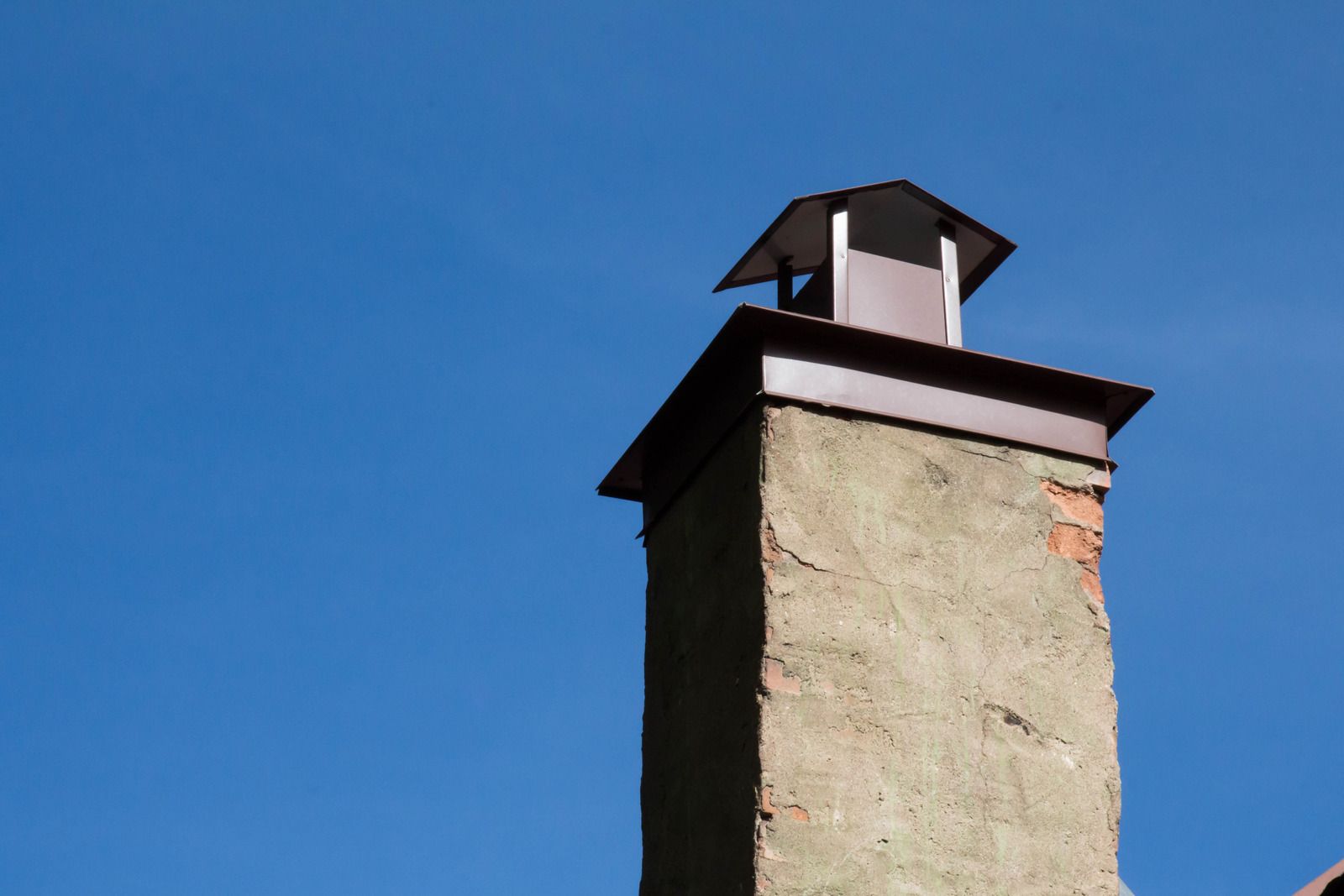
Chimneys are constantly exposed to heat, moisture, and acidic byproducts of combustion, all of which gradually deteriorate masonry over time. Creosote buildup can trap moisture inside, accelerating the decay of bricks and mortar significantly. Structural damage can eventually lead to leaks, cracks, or even partial collapses, which are both expensive to repair and potentially dangerous for occupants.
How Annual Sweeping Helps
Professional chimney sweeps not only remove stubborn soot and creosote but also inspect for early signs of serious structural issues. Identifying minor cracks, eroded mortar, or loose bricks early allows for timely, cost-effective repairs, preventing expensive reconstruction later. Regular maintenance preserves the chimney’s structural integrity and extends its functional lifespan, protecting both the home and the valuable investment made in heating infrastructure.
Case Study Example
In many older homes, neglecting annual chimney care has resulted in costly water damage due to deteriorated flue liners over time. A homeowner who scheduled yearly sweeps discovered small cracks that, if left untreated, could have allowed water infiltration, damaging ceilings, walls, and insulation. The proactive maintenance prevented serious structural deterioration and saved thousands in potential repairs immediately.
5. Compliance with Insurance and Safety Regulations
Insurance Requirements
Many homeowners’ insurance policies require documented proof of regular chimney maintenance to cover fire-related claims. Failure to maintain the chimney properly may result in claim denial, leaving homeowners financially vulnerable in the unfortunate event of a fire. Regular sweeping ensures policies remain valid and homeowners are fully protected.
Local Safety Codes
Certain municipalities have strict safety codes that mandate regular inspections for chimneys, particularly in multi-family dwellings or older residential properties. Annual professional sweeping ensures compliance with these requirements, reducing legal liabilities and guaranteeing that the property meets all local safety and fire prevention standards effectively.
Practical Advice
Homeowners should maintain a detailed record of each professional chimney cleaning, retaining receipts and inspection reports carefully. This documentation not only demonstrates compliance for insurance purposes but also serves as a reliable reference for scheduling future maintenance. Professional sweep services often provide certificates of completion, which can be extremely useful for policy renewals or home resale disclosures.
6. Expert Insights: Maximizing Safety and Longevity
Choosing the Right Professional
Hiring a certified, experienced chimney sweep is absolutely essential for complete safety and reliability. Professionals are trained to use specialized brushes, industrial vacuums, and inspection cameras, ensuring thorough cleaning without causing damage to flues or masonry. Certifications from recognized organizations, such as the Chimney Safety Institute of America (CSIA), indicate adherence to rigorous industry standards and best practices.
Routine vs. Annual Inspections
While occasional visual inspections by homeowners are helpful, only professional annual sweeping provides a fully comprehensive solution. Yearly visits allow experts to remove hardened creosote, inspect flue liners, detect blockages, and identify early structural concerns. This proactive approach prevents small issues from turning into major hazards, ensuring both safety and efficiency.
Additional Safety Measures
Combining annual professional sweeping with other preventive precautions significantly enhances home safety. Installing spark guards, maintaining properly functioning smoke and carbon monoxide detectors, and using dry, seasoned wood all contribute to reducing fire and health risks effectively. Expert advice tailored to your specific chimney type ensures maximum safety, efficiency, and long-term performance throughout the year.
Professional Chimney Safety Inspections Backed By Experience
Annual chimney sweeping is not merely a recommendation; it is an essential practice for maintaining household safety, air quality, heating efficiency, and structural integrity. From preventing creosote fires to ensuring proper ventilation for carbon monoxide, yearly maintenance addresses critical hazards before they escalate. Additionally, routine cleaning preserves chimney structure, supports compliance with safety regulations, and extends the lifespan of the heating system. For homeowners seeking peace of mind and effective heating solutions, annual chimney sweeping is a non-negotiable investment.
At Shawn's Chimney Sweep & Stove Company
in Albuquerque, NM, we bring 40
years of expert experience in comprehensive chimney care. Our professional team specializes in removing hazardous creosote, inspecting structural integrity, and ensuring optimal airflow for your fireplace or stove. We are committed to protecting both your home and family, providing trustworthy, thorough, and certified chimney services. With decades of experience, our company stands as a reliable authority in chimney safety, making annual maintenance simple, effective, and worry-free for every homeowner.