How to Improve Heating Efficiency With Your Wood Stove
Quick Answer: You can get noticeably more heat from the same wood stove by improving how you fuel and run it. The biggest factors are burning properly seasoned (dry) wood, running a hot, well-aired fire rather than a smoldering one, and keeping the stove and chimney clean and in good shape. Dry wood and good airflow produce more heat and less smoke and creosote; wet wood and choked, smoldering fires waste heat and cause buildup. Along with a clean, well-maintained stove and flue, those habits are what turn a wood stove into an efficient heater.
A wood stove can be a wonderfully efficient way to heat your home, or a frustrating one that eats wood, throws off smoke, and never quite warms the room. The difference often isn't the stove itself; it's how it's fueled, run, and maintained. The good news is that with a few changes to your wood, your fire, and your upkeep, you can get significantly more heat out of the same stove.
Wood stove efficiency comes down to a handful of things you control: the moisture in your wood, how you build and run the fire, and the condition of your stove and chimney. Get those right and you burn less wood for more heat, with less smoke and less creosote buildup, which is safer too. Get them wrong and you waste heat and create problems. For homeowners heating with wood through an Albuquerque winter, understanding how to run a stove efficiently is worth real comfort and savings. Here's how to get the most heat from your wood stove.
Start With Dry, Seasoned Wood
The single biggest factor in wood stove efficiency is the wood you burn, specifically how dry it is. This is where most efficiency is won or lost.
Wood needs to be properly seasoned, dried out, before you burn it. Freshly cut ("green") or wet wood is full of moisture, and here's the problem: when you burn wet wood, a large share of the fire's energy goes into boiling off that water instead of heating your home. The fire has to work to drive out the moisture before the wood can really burn, so you get less heat, a cooler fire, more smoke, and more creosote (the flammable buildup that coats the chimney). Wet wood is inefficient and messy on every front.
Properly seasoned, dry wood, by contrast, burns hotter, cleaner, and more completely. More of its energy becomes heat for your home rather than steam up the chimney, it produces less smoke, and it generates far less creosote. Simply switching from wet to well-seasoned wood can dramatically improve how much heat you get and how cleanly your stove burns. So if you do one thing for efficiency, burn dry, seasoned wood. It's the foundation everything else builds on, no amount of good technique fully makes up for wet wood.
Run a Hot, Well-Aired Fire
How you actually run the fire is the next big lever, and the key is a hot fire with enough air, not a slow, smoldering, choked-down one.
It's tempting, especially overnight, to damp the stove way down to make the wood last, choking off the air so it smolders slowly. But a smoldering, air-starved fire is inefficient: it burns at a low temperature, doesn't combust the wood fully, wastes much of the wood's energy as smoke and unburned gases going up the chimney, and produces a lot of creosote. You get less usable heat and more buildup. A cool, smoky, smoldering fire is the opposite of efficient.
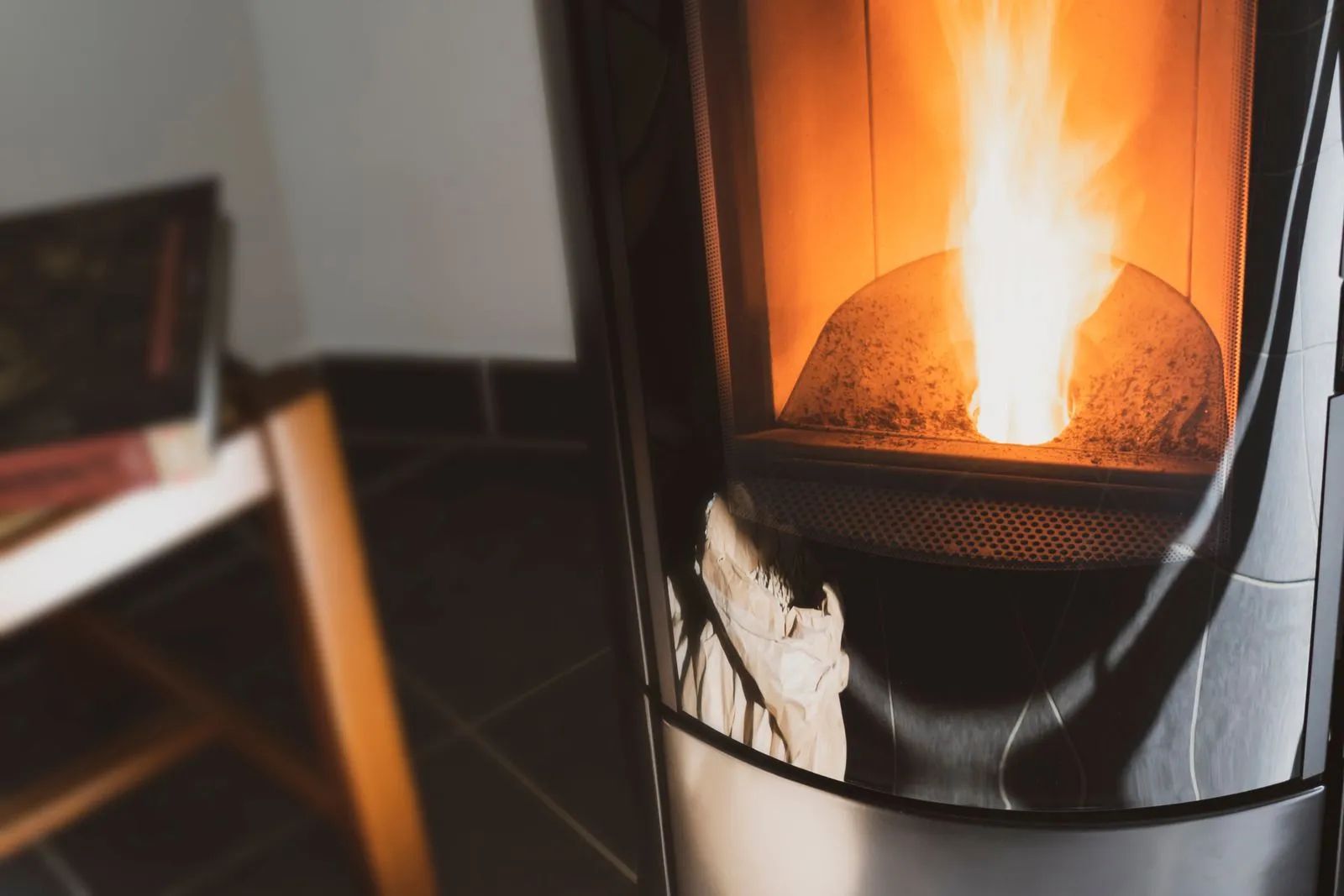
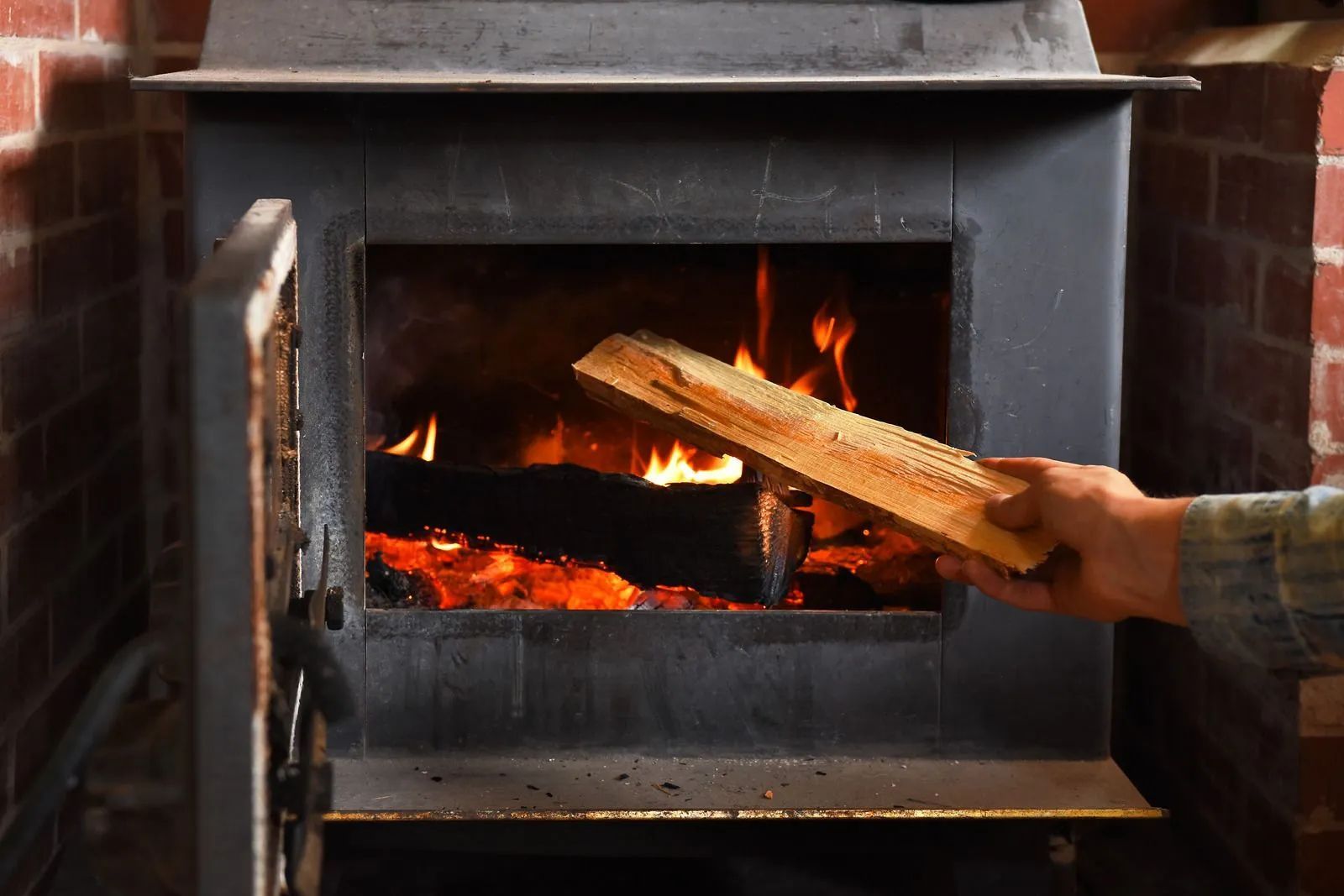
An efficient wood fire burns hot with adequate air. Good airflow lets the wood, and the gases it releases, burn more completely, producing more heat and less smoke and creosote. Building the fire well and giving it enough air to burn hot and clean gets far more heat out of the same wood. That doesn't mean the stove roaring wide open all the time, it means running it in its efficient range: hot enough to burn cleanly and completely, rather than strangled down into a smoky smolder. Many modern stoves are designed to burn efficiently when run properly, so operating the stove the way it's meant to be run, with a hot, well-aired fire, is central to efficiency. Learning to run your stove hot and clean rather than low and smoky is one of the biggest improvements you can make.
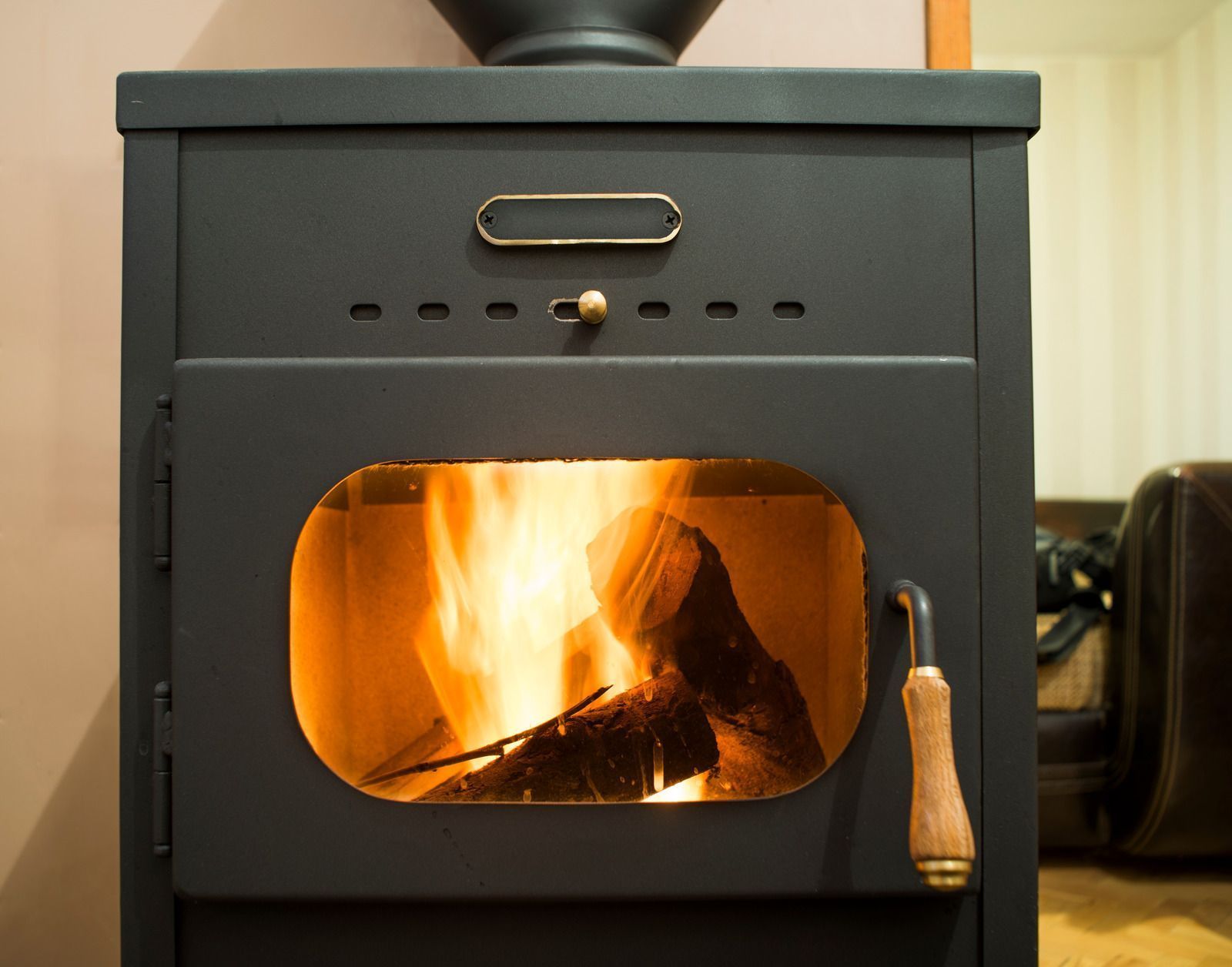
Tip: A quick way to gauge how efficiently you're burning is to look at your chimney and your fire. Thick, dark smoke pouring from the chimney means incomplete, inefficient burning (often wet wood or a smoldering, air-starved fire); an efficient fire produces little visible smoke, mostly heat shimmer. Inside, a bright, lively, hot fire burns better than a dull, smoky, smoldering one. If you're seeing lots of smoke, that's a sign to check your wood's dryness and give the fire more air, you'll get more heat and less creosote.
Keep the Stove and Chimney Clean and Sound
The third pillar of efficiency, and safety, is the condition of your stove and chimney. A clean, well-maintained system burns and heats better than a dirty or neglected one.
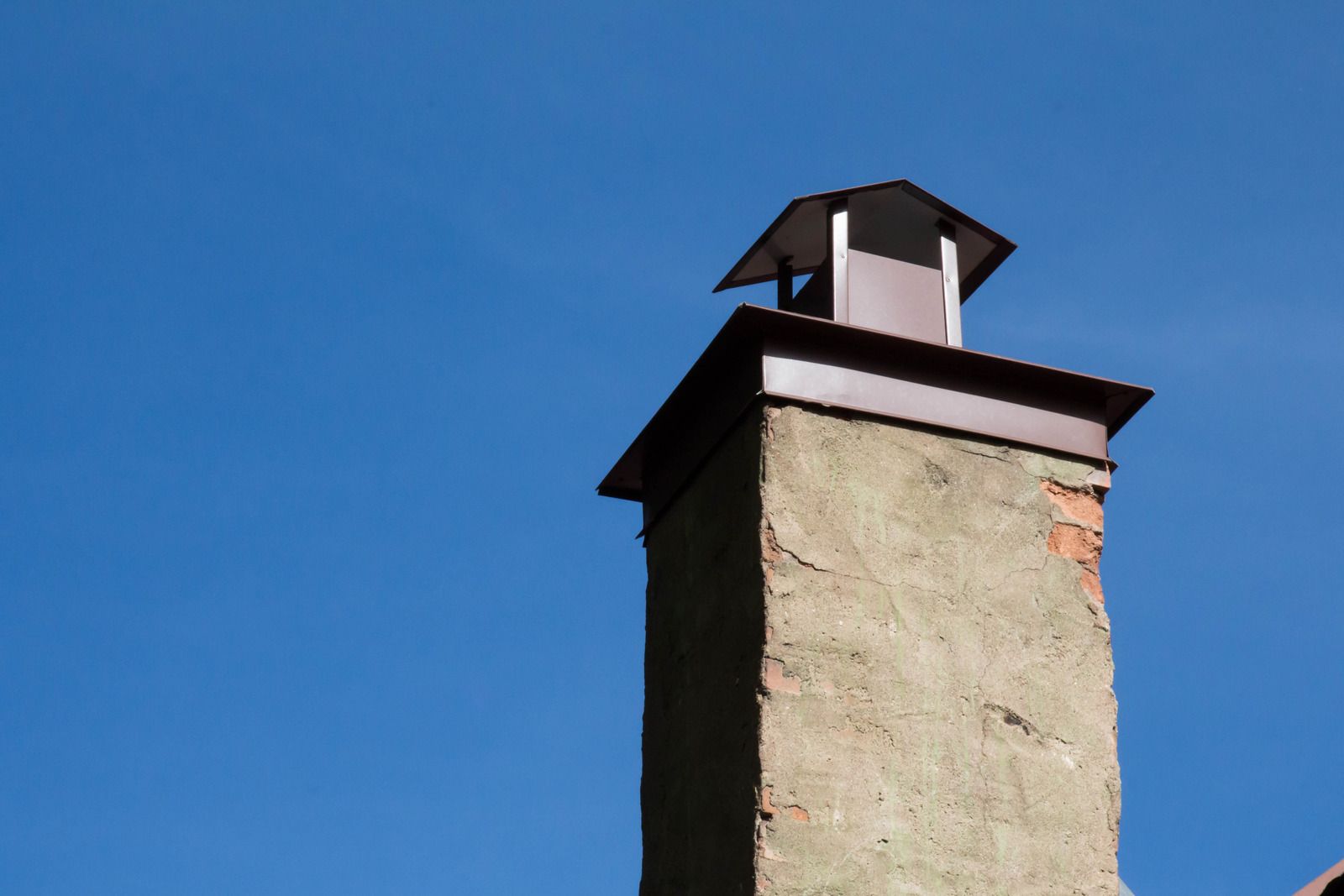
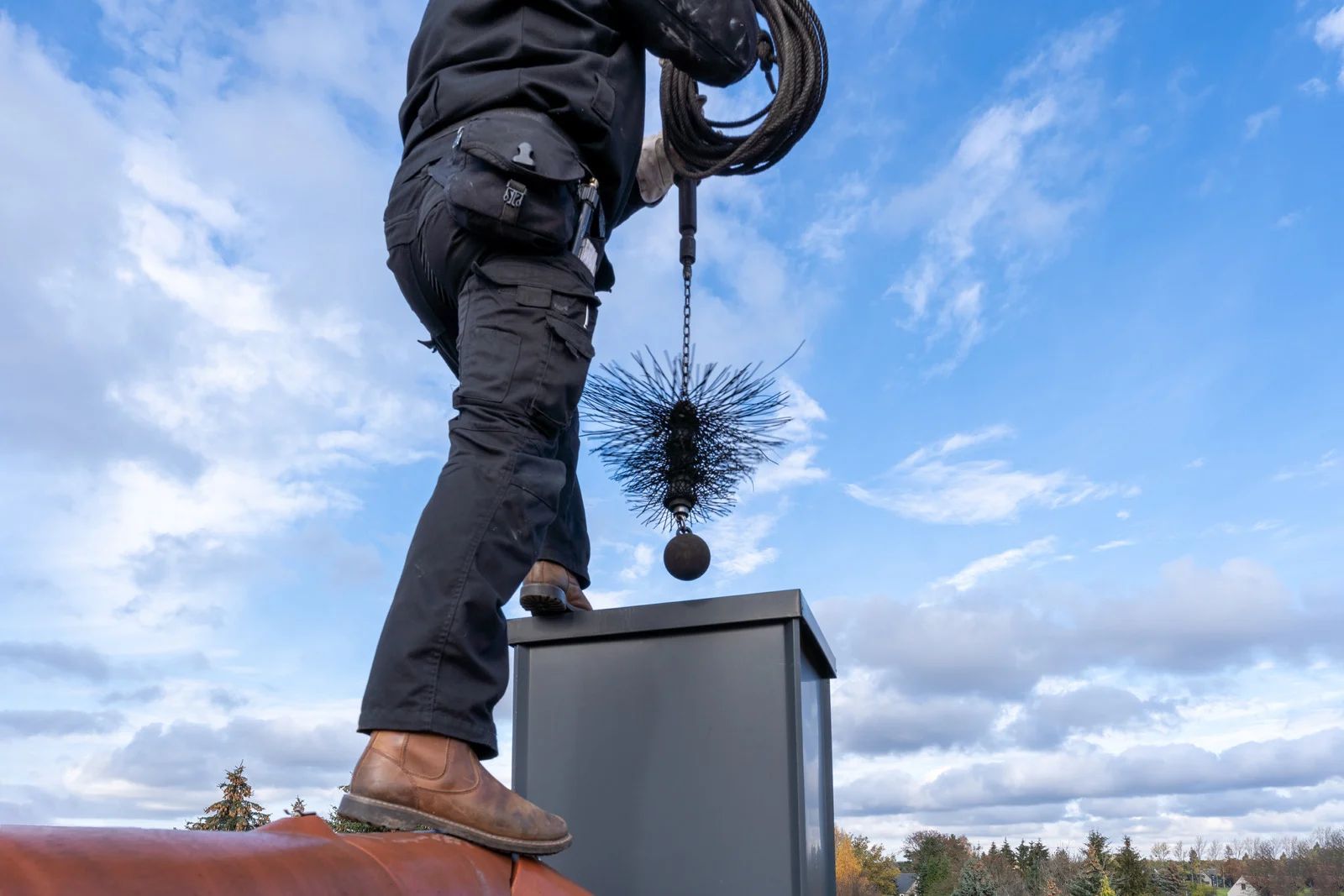
Over time, creosote and soot build up in the chimney/flue, and this matters for efficiency and safety. A flue caked with creosote doesn't draft as well, and poor draft hurts how the fire burns; worse, creosote is flammable and the cause of chimney fires. Regular chimney sweeping removes that buildup, restoring good draft (which helps the fire burn efficiently) and, crucially, removing the fire hazard. So keeping the chimney clean isn't just about efficiency, it's a core safety practice, and the two go hand in hand: burning dry wood in a hot fire produces less creosote, and regular sweeping clears what does form.
Beyond the chimney, the stove itself should be in good working order: the door seals (gaskets) intact so the stove isn't leaking air and losing control of the burn, the components sound, and the stove appropriate and properly installed for the space. A stove with failed seals or in poor repair can't burn efficiently. Regular maintenance and inspection keep the whole system, stove and chimney, working as it should. This is exactly the kind of thing a chimney and stove professional handles: sweeping the chimney, inspecting the system, and making sure the stove is sound, so it burns safely and efficiently. Pairing good burning habits with a clean, well-maintained system is what delivers both the most heat and the most safety.
Warning: Efficiency and safety go together with a wood stove, and the biggest safety issue is creosote. Burning wet wood or running slow, smoldering, air-starved fires, the same habits that waste heat, also produce far more creosote, the flammable buildup that causes chimney fires. That's why regular chimney sweeping and inspection are essential, not optional, no matter how you burn. Don't run a wood stove without keeping the chimney clean and the stove sound; an efficient wood stove is also a well-maintained, regularly swept one. When in doubt, have a professional inspect and sweep the system.
Frequently Asked Questions
How can I get more heat from my wood stove?
Focus on three things: burn properly seasoned (dry) wood, run a hot fire with enough air rather than a choked-down smolder, and keep the stove and chimney clean and in good shape. Dry wood and good airflow mean more of the wood's energy becomes heat (instead of boiling off water or going up the chimney as smoke), and a clean, sound system drafts and burns better. Those habits get much more heat from the same stove.
Why does wet or green wood burn so poorly?
Because it's full of moisture, and the fire has to spend much of its energy boiling that water off before the wood can really burn. That means a cooler fire, less heat for your home, more smoke, and far more creosote buildup. Wet wood is inefficient and messy on every front. Properly seasoned, dry wood burns hotter, cleaner, and more completely, which is why it's the single biggest factor in efficiency.
Isn't damping the stove down to make wood last a good idea?
Not for efficiency. Choking the air down to a slow smolder makes the wood burn at a low temperature and combust incompletely, wasting much of its energy as smoke and unburned gases up the chimney and producing lots of creosote. You get less usable heat and more buildup. An efficient fire burns hot with adequate air, running the stove in its proper range, not strangled down into a smoky smolder, gets more heat from the same wood.
How do I know if I'm burning efficiently?
Check your chimney and fire. Thick, dark smoke from the chimney signals incomplete, inefficient burning, often wet wood or an air-starved fire; an efficient fire makes little visible smoke, mostly heat shimmer. A bright, lively, hot fire burns better than a dull, smoky one. Lots of smoke is a cue to check that your wood is dry and give the fire more air, which will yield more heat and less creosote.
Does chimney cleaning affect efficiency, or just safety?
Both. A flue caked with creosote drafts poorly, and poor draft hurts how the fire burns, so a dirty chimney can reduce efficiency. More importantly, creosote is flammable and the cause of chimney fires, so regular sweeping is a core safety practice. The two go together: efficient burning (dry wood, hot fires) makes less creosote, and regular sweeping clears what forms, keeping the stove both efficient and safe.
Can the stove itself be the problem?
It can. If the door seals (gaskets) have failed, the stove leaks air and you lose control of the burn, hurting efficiency; components in poor repair, or a stove that isn't appropriate or properly installed for the space, also limit performance. A stove in good working order burns far more efficiently. Regular maintenance and inspection, keeping seals and components sound, are part of getting the most from your stove.
Should I have a professional involved?
Yes, at least for the chimney and stove upkeep. A chimney and stove professional sweeps the chimney (removing the creosote that hurts draft and causes fires), inspects the system, and makes sure the stove is sound and safe. That maintenance is essential for safety and supports efficiency. Combined with your good burning habits, dry wood and hot, well-aired fires, a professionally maintained system is what makes a wood stove both efficient and safe.
Get More Heat, and More Safety, From Your Stove
Improving your wood stove's heating efficiency isn't about buying a new stove, it's about how you fuel, run, and maintain the one you have. Burn properly seasoned, dry wood so the fire's energy becomes heat instead of boiling off water. Run a hot, well-aired fire rather than a choked-down smolder, so the wood burns completely for more heat and less smoke. And keep the stove sound and the chimney swept, which improves draft and, just as importantly, removes the creosote that causes chimney fires. Do those three things, and you'll get noticeably more heat from the same wood, with less smoke and a safer system, exactly what a wood stove is capable of when it's run right.
Get more heat and a safer burn from your wood stove — Efficiency comes from burning dry wood, maintaining hot, well-ventilated fires, and keeping your system clean. The same habits that reduce heating performance also create creosote buildup, increasing the risk of chimney fires. With 40
years of experience, Shawn's Chimney Sweep & Stove Company
provides professional
chimney sweeping services in Albuquerque, NM, including chimney and wood stove inspections, cleaning, and maintenance to keep your system efficient and safe. Reach out to schedule a sweep and inspection and get the most from your wood stove this winter.