Top 10 Benefits of Installing a Wood Stove in Your Home
A wood stove can transform your home, providing a unique combination of warmth, ambiance, and energy efficiency. Unlike traditional heating methods, wood stoves offer a direct source of heat that can dramatically reduce reliance on electricity or gas. This not only leads to significant cost savings over time but also gives homeowners greater control over their energy usage. In regions with colder climates, a wood stove can be a lifesaver, offering a dependable heating source during power outages or winter storms. Beyond practical considerations, installing a wood stove also contributes to a cozy and inviting atmosphere, making living spaces more comfortable and aesthetically pleasing.
In addition, wood stoves have evolved significantly over the past few decades. Modern stoves are designed to burn wood more efficiently, producing higher heat output while reducing emissions and environmental impact. They are often constructed from high-quality materials that ensure durability and long-term performance. For homeowners looking to balance cost-effectiveness, energy efficiency, and home aesthetics, a wood stove is a compelling investment. This guide explores the top ten benefits of installing a wood stove in your home, offering practical insights, real-world scenarios, and expert reasoning to help you make an informed decision.
1. Cost-Effective Heating Solution
Reduce Energy Bills
One of the most immediate advantages of a wood stove is its potential to lower heating costs. Wood is often less expensive than electricity, natural gas, or oil. Homeowners can source wood locally, sometimes even for free if they have access to fallen trees or branches. By using a wood stove as a primary or supplementary heating source, families can significantly reduce monthly energy bills.
Long-Term Savings
Though the initial investment in a wood stove may seem high, the long-term savings quickly outweigh the upfront cost. Efficient models require less wood to produce the same amount of heat, making them economical over time. Homeowners can also pair a wood stove with programmable thermostats and strategically designed home layouts to maximize heat retention.
Example Scenario
A family in a colder region could replace half of their traditional heating with a wood stove during winter months. Over one season, the reduction in utility bills could offset a significant portion of the stove’s purchase and installation cost, making it a financially sound choice.
2. Reliable Heat Source During Power Outages
Independence from Electricity
Unlike electric heaters, wood stoves function independently of the power grid. During storms, ice events, or other emergencies, homes can remain warm and safe, even when electricity is unavailable. This reliability is particularly valuable in rural or remote areas where power restoration can take hours or days.
Emergency Preparedness
Having a wood stove enhances a household’s emergency preparedness. Families can cook, boil water, and maintain essential warmth without relying on external energy sources. This versatility ensures comfort and security during unpredictable situations.
Practical Example
Consider a winter storm that knocks out electricity for several days. A home equipped with a wood stove can continue to function normally, allowing residents to stay warm, cook meals, and maintain routine activities without disruption.
3. Environmental Benefits
Renewable and Sustainable Resource
Wood is a renewable resource when harvested responsibly. Unlike fossil fuels, which contribute to greenhouse gas emissions, burning sustainably sourced wood can be carbon-neutral. This makes wood stoves an eco-friendlier alternative for conscientious homeowners.
Reduced Carbon Footprint
Modern wood stoves are designed for cleaner combustion, producing fewer particulates and pollutants than older models or open fireplaces. This improves indoor air quality while reducing the overall environmental impact. Many stoves also feature EPA certification, ensuring adherence to strict emissions standards.
Example in Practice
Homeowners who plant trees or use locally sourced firewood can maintain a sustainable heating cycle. This approach reduces dependency on non-renewable energy sources and supports environmentally responsible living.
4. Increased Home Value and Aesthetic Appeal
Enhanced Interior Design
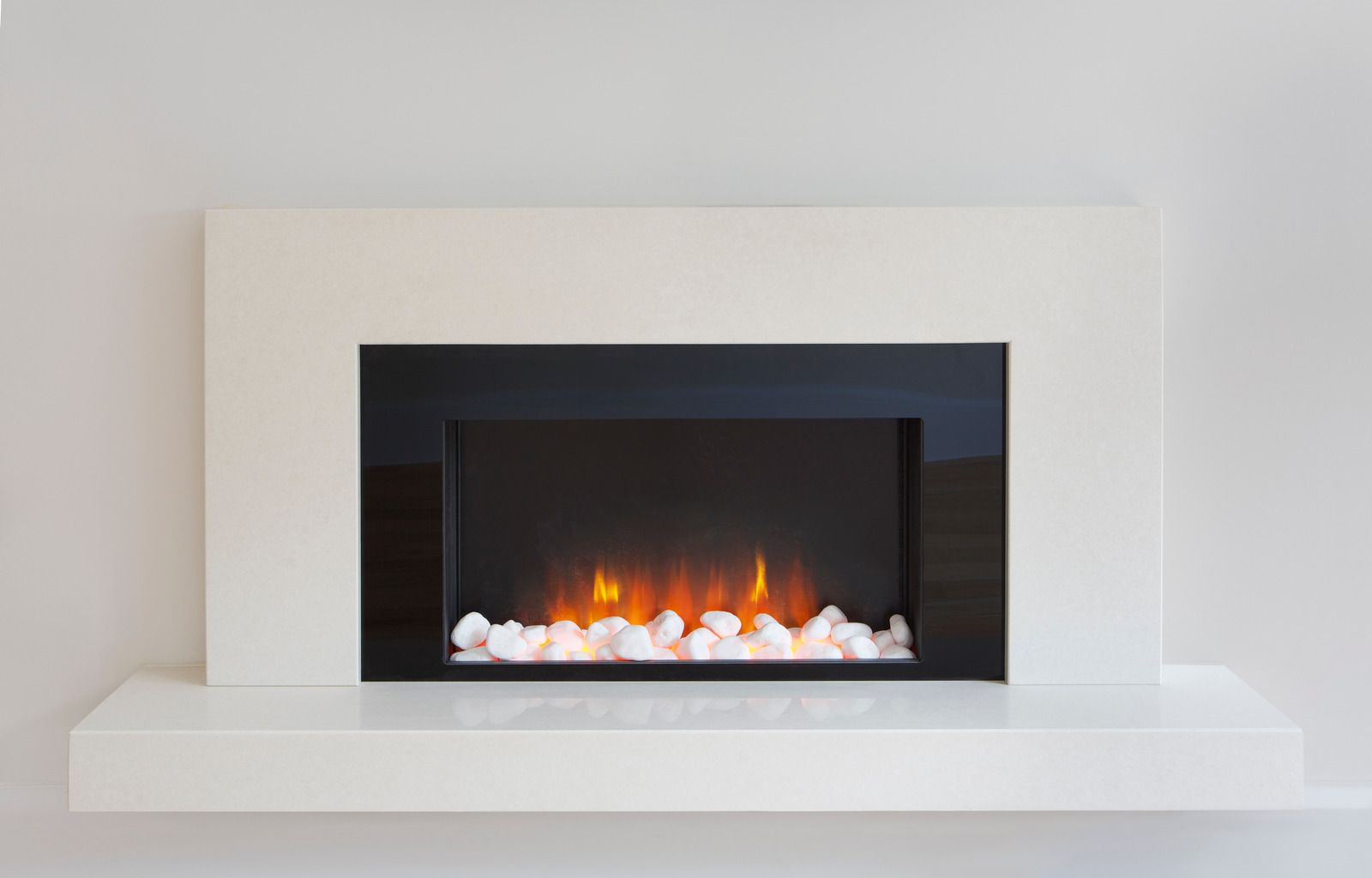
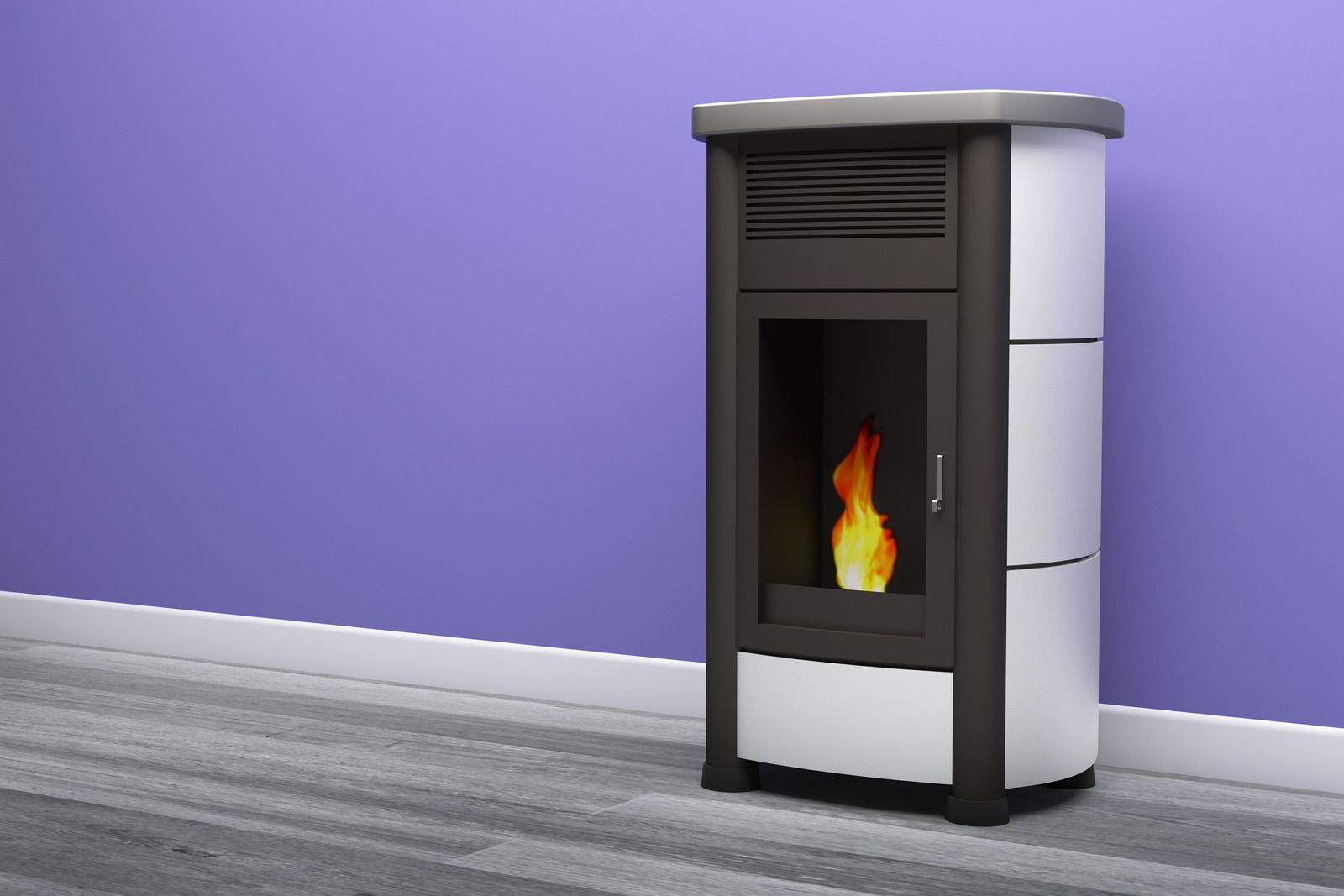
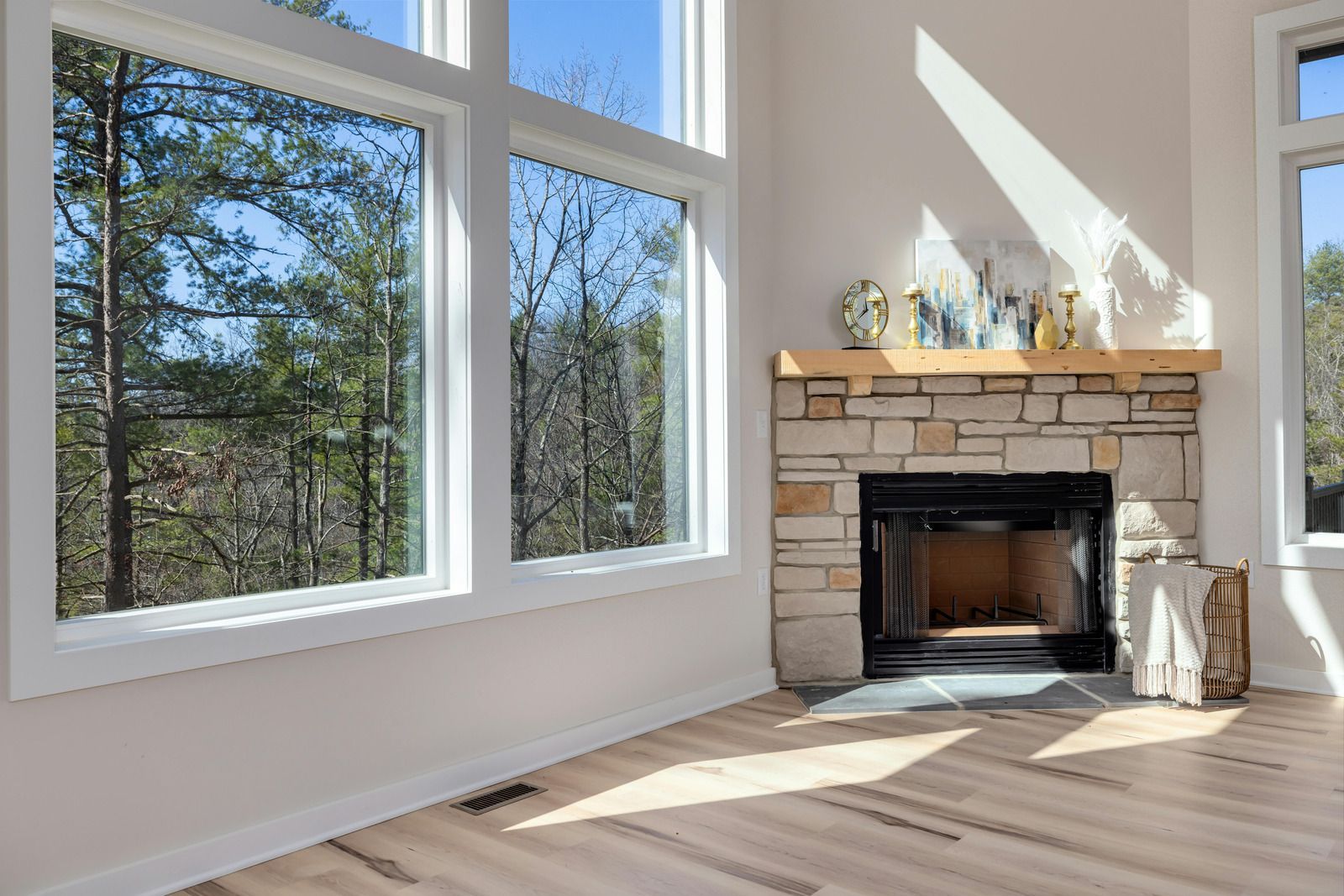
A wood stove is not just a functional appliance—it’s also a design statement. Stylish stoves can complement rustic, modern, or traditional home interiors, creating a visually appealing focal point in living spaces. Masonry stoves or cast-iron designs add character and warmth to any room.
Boost Property Value
Homes with wood stoves often attract buyers seeking energy-efficient heating and cozy living environments. The presence of a stove can increase property value and marketability, particularly in regions with colder climates or high energy costs.
Real-World Example
A family renovates their living room by installing a contemporary wood stove. Not only does it provide efficient heating, but it also becomes a central decorative feature, enhancing both aesthetics and resale appeal.
5. Improved Heating Efficiency
Targeted Heat Distribution
Wood stoves provide direct, radiant heat that warms objects and people in the room, unlike forced-air systems that can lose heat during circulation. This creates a more comfortable environment and allows homeowners to heat specific areas efficiently.
High-Performance Models
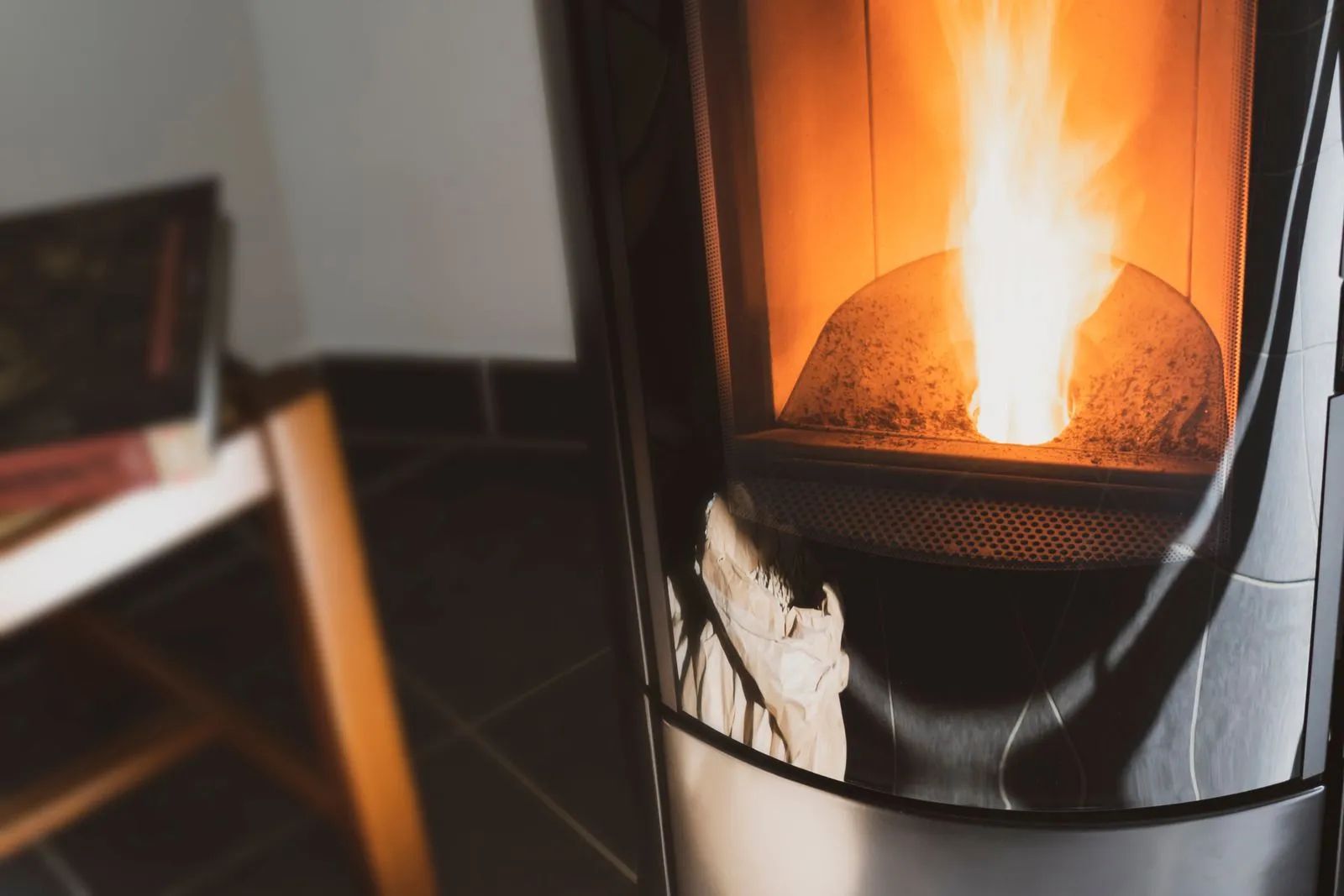
Modern stoves are engineered for maximum thermal efficiency. Advanced designs retain heat longer and distribute it evenly, ensuring consistent warmth throughout the home. Efficiency gains mean less fuel consumption and lower operational costs.
Practical Insight
By strategically placing a wood stove in a central location, homeowners can heat multiple rooms simultaneously, reducing the need for additional heating devices and saving energy in the long run.
6. Low Maintenance and Durability
Simple Upkeep
Wood stoves require minimal maintenance compared to complex HVAC systems. Regular ash removal, occasional chimney cleaning, and inspection of stove components are typically sufficient to maintain optimal performance. This simplicity saves time and money on professional servicing.
Long Lifespan
Quality stoves are built to last decades. Materials such as cast iron, steel, and firebrick ensure durability and heat retention, providing a long-term, reliable heating solution. With proper care, a single stove can serve multiple generations.
Example Scenario
A homeowner invests in a high-quality cast-iron stove. With routine maintenance, the stove continues to operate efficiently for 20 years, providing consistent heat with minimal intervention, demonstrating its longevity and reliability.
7. Energy Independence and Self-Sufficiency
Reduce Dependence on Utilities
Installing a wood stove allows homeowners to rely less on public utilities, reducing vulnerability to energy price fluctuations. By using locally sourced wood, households can maintain autonomy over their heating supply and gain financial predictability.
Empowerment Through Self-Sufficiency
Wood stoves enable individuals to generate their own heat and even cook food without external assistance. This level of self-sufficiency appeals to homeowners seeking resilience and independence from fluctuating energy markets.
Real-Life Application
In rural areas where energy infrastructure is limited, wood stoves provide a consistent and reliable heating option, supporting off-grid lifestyles and reducing reliance on fossil fuels.
8. Health and Comfort Advantages
Cleaner Indoor Air Quality
Modern wood stoves, when used with proper ventilation and maintenance, produce minimal smoke indoors. Unlike older fireplaces, which can release soot and particulates, contemporary stoves maintain cleaner indoor air, reducing respiratory risks.
Natural Heat and Humidity Benefits
Radiant heat from wood stoves is often perceived as more comfortable than forced-air systems. It evenly warms the body and surrounding objects, while maintaining a natural level of humidity, which can alleviate dry skin and respiratory discomfort common in centrally heated homes.
Practical Insight
Homeowners with families can benefit from the health-friendly warmth of a wood stove. Proper installation and routine chimney maintenance ensure optimal air quality and consistent comfort throughout winter months.
9. Versatility and Cooking Potential
Multi-Purpose Appliance
Certain wood stoves feature cooking surfaces or ovens, allowing homeowners to prepare meals directly on or within the stove. This dual functionality adds convenience and expands the stove’s utility beyond heating.
Emergency Cooking Option
During power outages, a wood stove with a cooking surface can serve as a reliable source for meal preparation. This versatility makes it particularly useful in remote areas or during emergencies when conventional cooking appliances are unavailable.
Example Scenario
A family in a remote cabin can use a wood stove to heat the space and simultaneously cook meals during winter storms, demonstrating practical, real-world utility.
10. Encourages Sustainable and Mindful Living
Promotes Conscious Consumption
Using a wood stove encourages homeowners to be more mindful of energy use and consumption patterns. Collecting and preparing firewood fosters a connection to natural resources and encourages sustainable practices.
Eco-Friendly Lifestyle Integration
Incorporating a wood stove into daily life aligns with broader eco-conscious efforts, such as reducing carbon footprints, recycling wood, and engaging in responsible forest management.
Real-Life Application
Homeowners committed to sustainability may source certified firewood or utilize pruning byproducts from their property. This practice fosters eco-conscious living while providing a practical heating solution.
Promote Sustainable Living Through Wood Stove Adoption
Wood stoves offer an impressive array of benefits, from reducing energy costs and enhancing home value to providing reliable heat during power outages and promoting eco-conscious living. By improving heating efficiency, air quality, and overall comfort, a wood stove can transform a house into a warm, inviting home while supporting sustainable energy practices. The versatility, durability, and self-sufficiency offered by modern stoves make them a smart investment for homeowners seeking both practicality and long-term value.
At Shawn's Chimney Sweep & Stove Company
in Albuquerque, NM, we bring 40
years of experience to every installation and maintenance service. Our team of certified professionals specializes in delivering safe, efficient, and reliable wood stove solutions tailored to your home’s unique needs. From installation and routine cleaning to expert guidance on stove selection and care, we ensure your home remains warm, comfortable, and energy-efficient. Trust us for unmatched expertise, quality service, and a commitment to your family’s safety and comfort.