How to Choose the Right Pellet Stove for Your Living Space
Selecting the right heating solution for your home is more than just a matter of comfort—it is about efficiency, safety, and long-term savings. Pellet stoves have emerged as a popular choice for homeowners seeking an eco-friendly, cost-effective alternative to traditional heating methods. Unlike conventional wood stoves, pellet stoves burn compressed wood or biomass pellets, producing minimal emissions while delivering consistent warmth. With energy prices rising and environmental concerns growing, these stoves present a practical and sustainable solution for residential heating.
However, the abundance of models, sizes, and features can make the selection process daunting. Choosing a pellet stove that aligns with your living space, energy needs, and aesthetic preferences requires careful consideration. Factors such as stove capacity, fuel efficiency, installation requirements, and maintenance demands play a critical role in ensuring optimal performance and safety. Understanding these variables before making a purchase will help homeowners invest wisely in a stove that meets both their functional needs and lifestyle goals. This guide explores essential considerations, expert tips, and practical advice to help you confidently select the perfect pellet stove for your home.
1. Assessing Your Heating Needs
Determining Room Size and Layout
One of the first steps in choosing a pellet stove is understanding the space it needs to heat. Pellet stoves are rated by the area they can efficiently warm, usually measured in square feet. For example, a stove with a 2,000-square-foot capacity might be perfect for a large living room or open-plan home, while a smaller unit is suitable for compact apartments or individual rooms. Consider the layout of your home, ceiling height, and whether the space is open or partitioned. Open layouts require stoves with higher BTU output to ensure uniform heat distribution, while closed-off rooms may need multiple units or strategically placed fans.
Understanding Climate Considerations
Local climate plays a significant role in stove selection. Homes in colder regions will demand stoves with higher heat output and larger pellet storage capacity to handle prolonged winters. Conversely, areas with milder temperatures can benefit from smaller, more energy-efficient models. Factoring in seasonal fluctuations ensures you choose a stove capable of maintaining consistent warmth without overconsumption of pellets.
2. Evaluating Pellet Stove Types
Freestanding vs. Insert Models
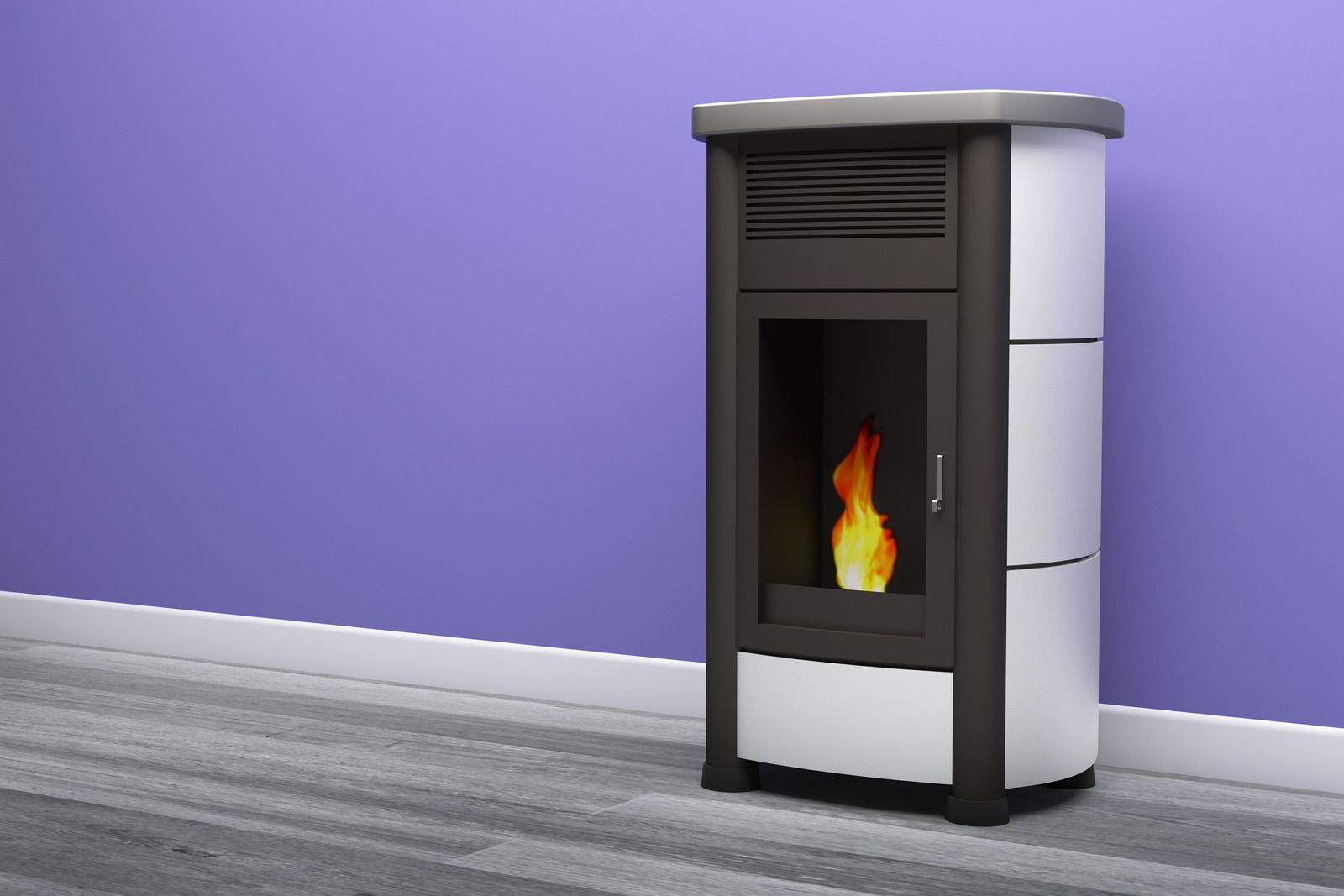
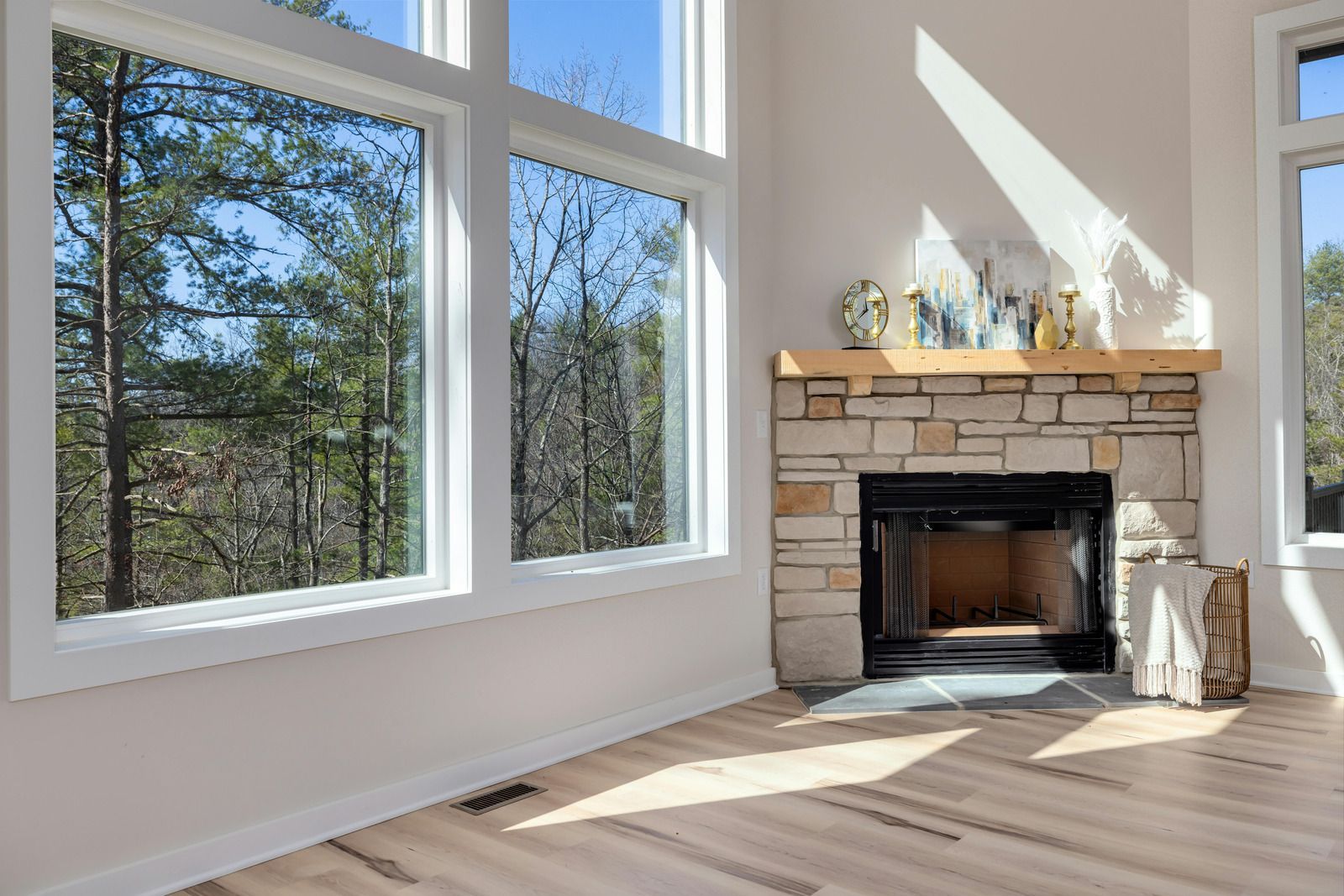
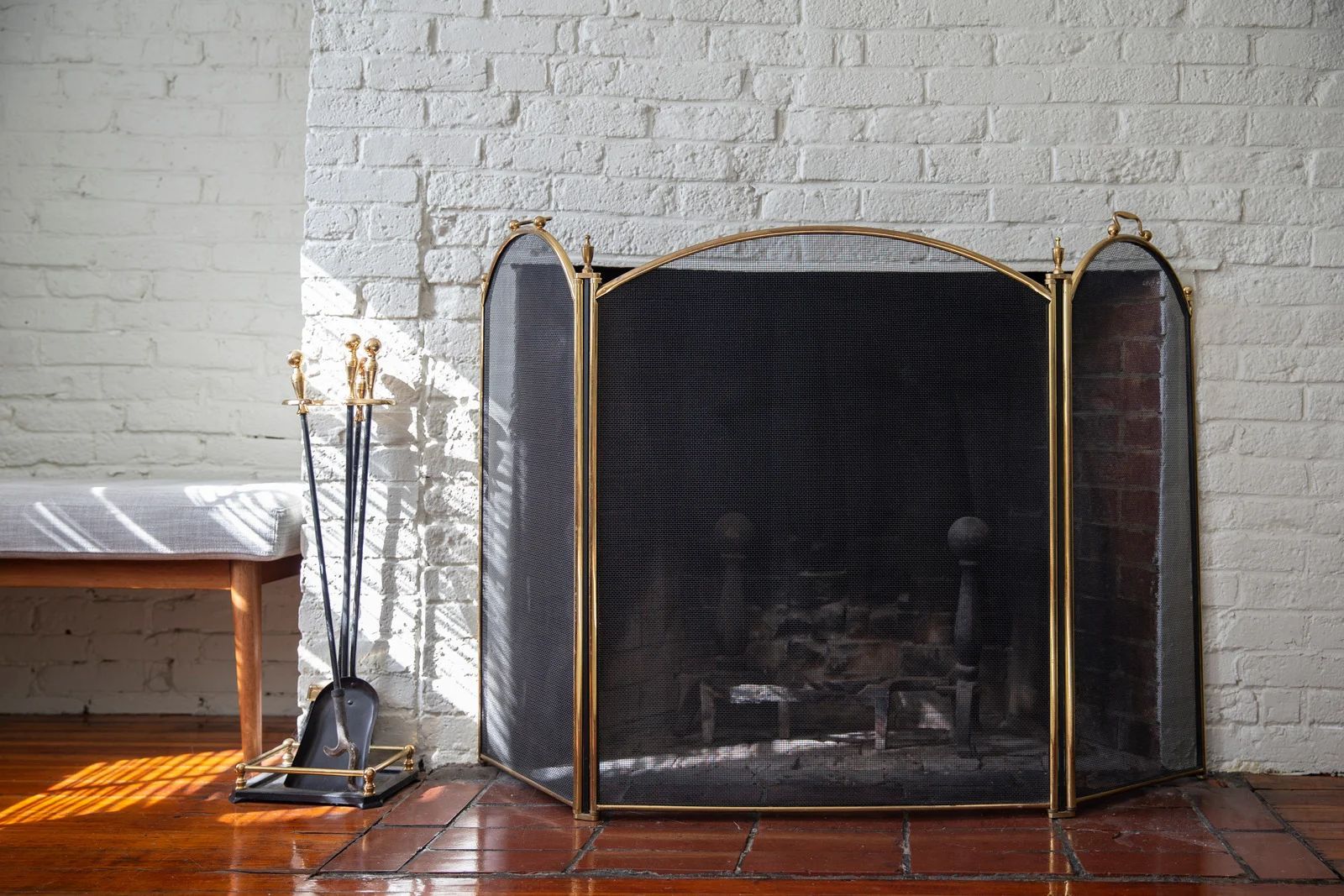
Pellet stoves typically come in two main types: freestanding and insert models. Freestanding stoves are standalone units placed directly on the floor, offering flexibility in positioning and design options. Inserts, on the other hand, are installed within an existing fireplace, leveraging your current structure while enhancing heat efficiency. Freestanding models are ideal for new installations or homes without a fireplace, while inserts are perfect for those looking to upgrade an existing fireplace with minimal structural changes.
Venting Options
Venting is another critical aspect. Most pellet stoves require a direct vent to the outside, either through a wall or chimney. Direct-vent systems improve combustion efficiency and reduce indoor air pollution. Some advanced models also feature flexible venting solutions, allowing installation in various orientations. Understanding venting requirements ensures proper stove operation, maximizes safety, and prevents potential hazards such as carbon monoxide buildup.
3. Fuel Efficiency and Cost Considerations
Understanding Pellet Types and Quality
Not all pellets are created equal. High-quality pellets produce more heat with less ash and fewer emissions, contributing to cleaner, more efficient stove operation. Look for stoves compatible with premium pellets and consider their availability in your area. Wood pellets are most common, but some stoves can burn alternative biomass options like corn or cherry pits. Choosing the right pellet type affects long-term operating costs and maintenance frequency.
Energy Efficiency Ratings
Modern pellet stoves come with energy efficiency ratings that indicate the percentage of fuel converted into usable heat. Stoves with higher efficiency ratings not only save money but also reduce environmental impact. For example, a stove rated at 85% efficiency produces more heat with less fuel compared to one rated at 70%. Paying attention to these ratings ensures you select a stove that balances performance and affordability.
Operating Costs
Beyond pellet consumption, consider electricity usage. Many pellet stoves require electricity for their auger systems, blowers, and control panels. Units with programmable thermostats and energy-saving modes can minimize power consumption while maintaining optimal heat output. Calculating anticipated fuel and electricity costs helps homeowners budget effectively and avoid surprises during the heating season.
4. Installation and Maintenance Considerations
Professional vs. DIY Installation
Proper installation is vital for stove safety and performance. While some homeowners may attempt a DIY approach, professional installation is highly recommended to ensure compliance with building codes and venting requirements. Certified technicians can identify potential hazards, such as inadequate clearances or incompatible chimney systems, preventing fire risks and ensuring long-term reliability.
Cleaning and Maintenance Requirements
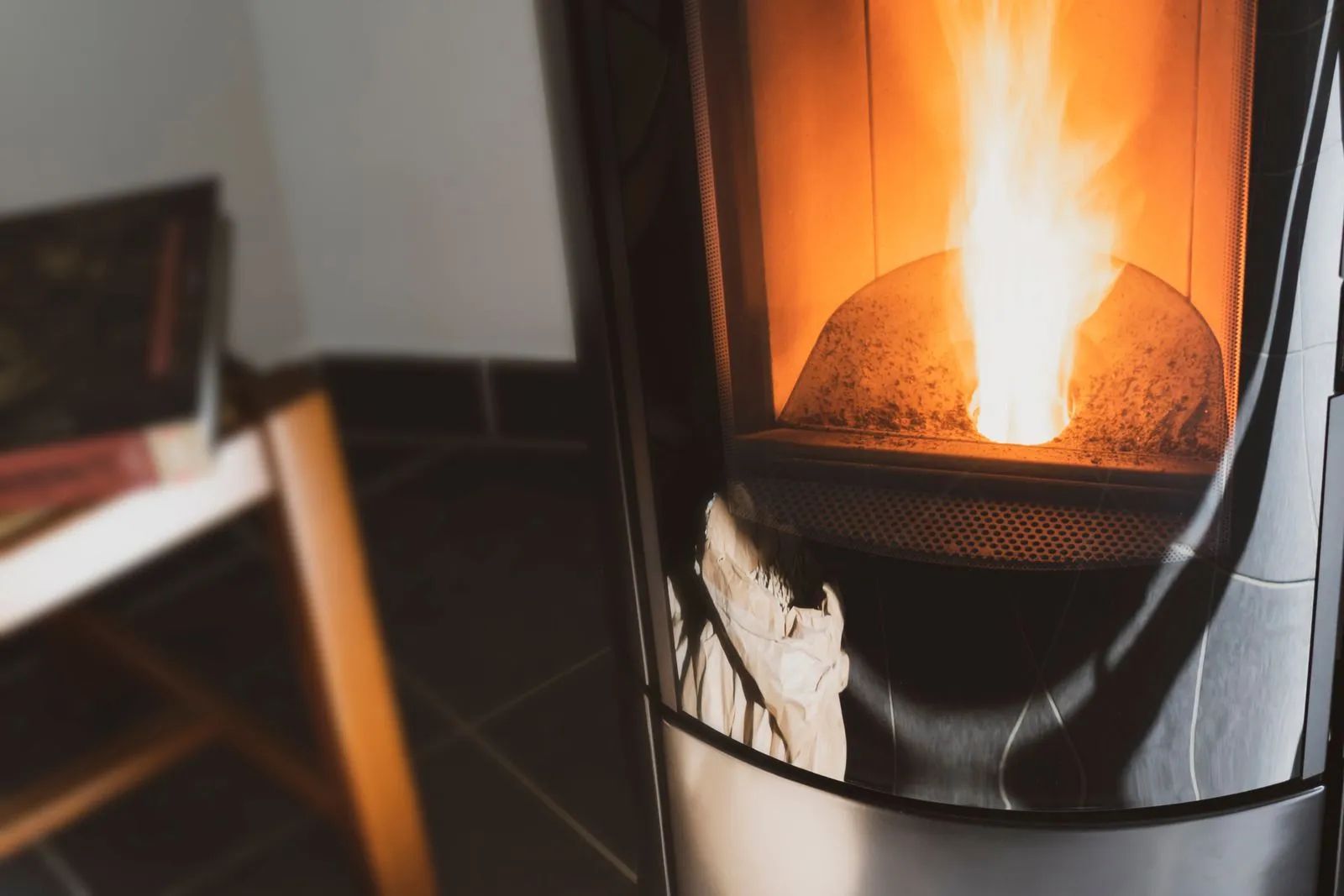
Pellet stoves require routine cleaning and maintenance to operate efficiently. Ash removal, hopper cleaning, and inspection of the burn pot and venting system are essential tasks. Some models feature automatic cleaning systems, reducing the frequency and effort required. Understanding maintenance responsibilities upfront helps homeowners choose a stove that fits their lifestyle and commitment level.
Longevity and Warranty
Consider the expected lifespan and manufacturer warranty when selecting a stove. Quality stoves with durable construction can last 15–20 years or more with proper care. Warranties often cover key components such as motors, electronics, and heat exchangers. Opting for a reliable brand with strong customer support ensures peace of mind and protection for your investment.
5. User-Friendly Features and Controls
Thermostat and Remote Controls
Modern pellet stoves often include advanced controls, such as programmable thermostats, remote operation, and Wi-Fi-enabled interfaces. These features allow homeowners to adjust heat settings without leaving the room, optimize energy use, and maintain consistent comfort. For families with busy schedules, programmable options provide convenience and efficiency, reducing unnecessary fuel consumption.
Safety Features
Safety should be a top priority when selecting a pellet stove. Look for models with automatic shut-off mechanisms, overheat protection, and door sensors. Some stoves also include carbon monoxide detectors or ventilation monitors for enhanced safety. Choosing a stove with comprehensive safety features protects your household and adds peace of mind during the heating season.
Noise Considerations
While pellet stoves are generally quieter than conventional wood stoves, certain components like fans and augers can produce noise during operation. Reviewing decibel ratings or experiencing a demo unit can help determine whether the sound level is suitable for your living environment, particularly in bedrooms or open-concept spaces.
6. Aesthetic Appeal and Integration
Simple Upkeep
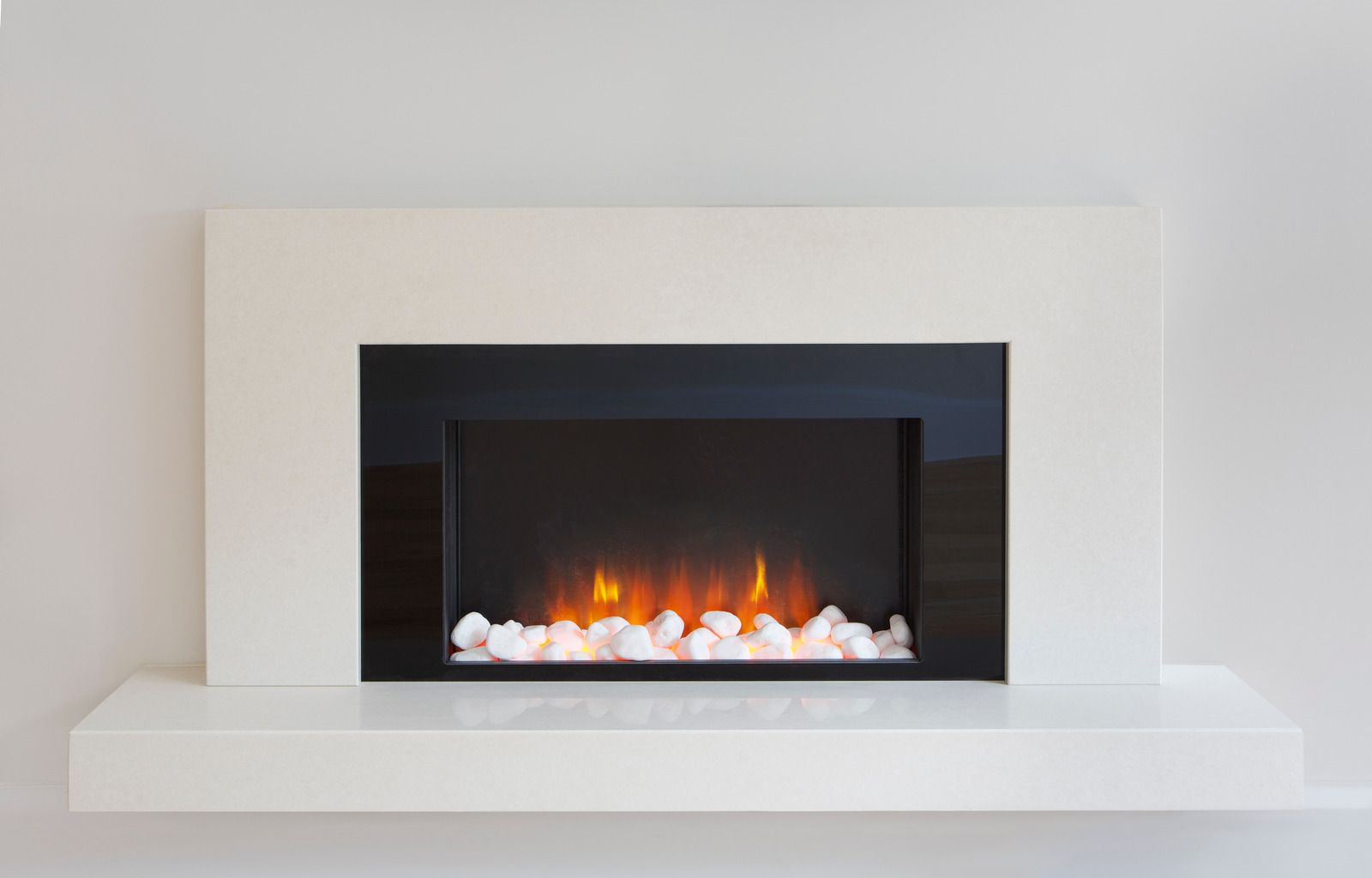
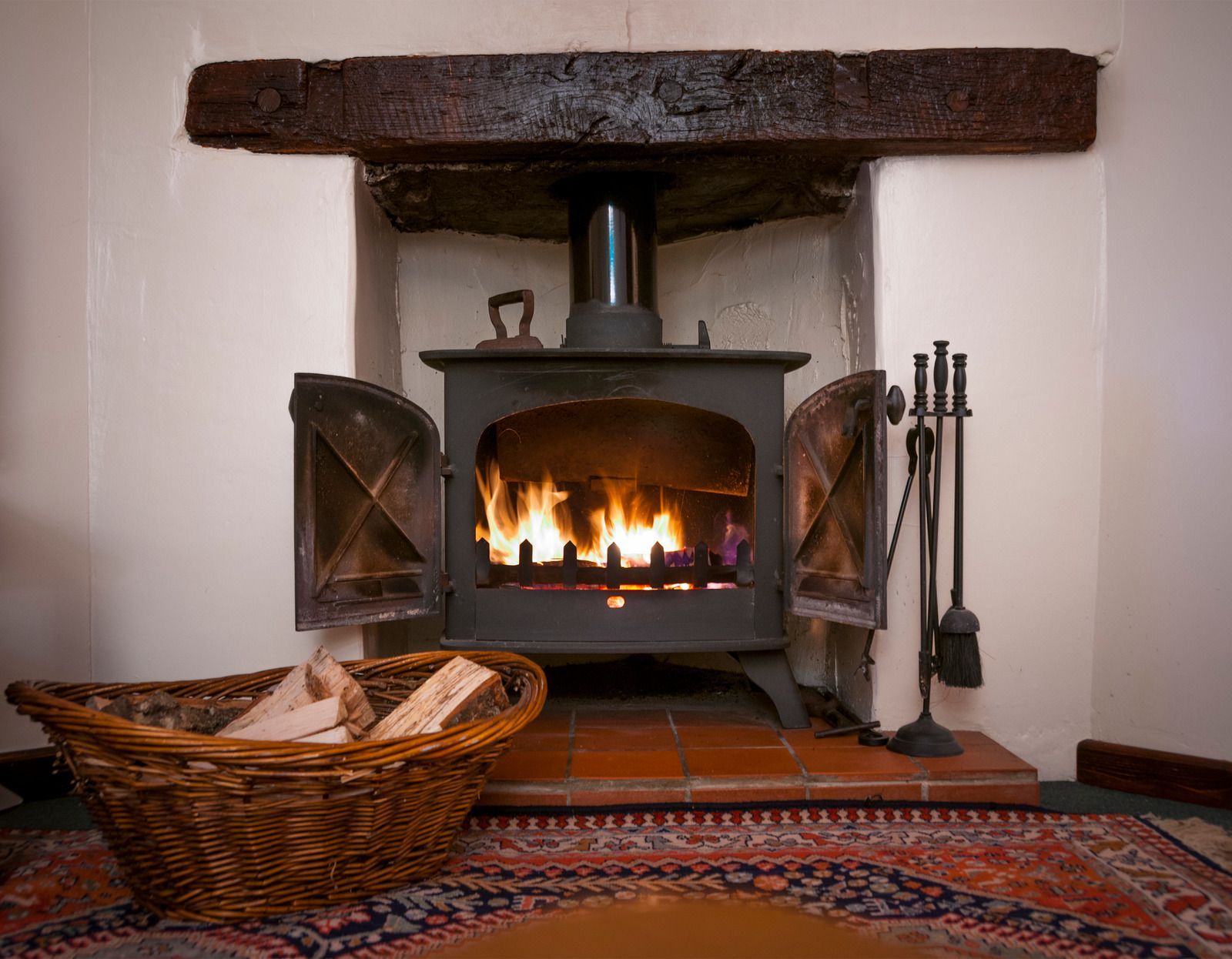
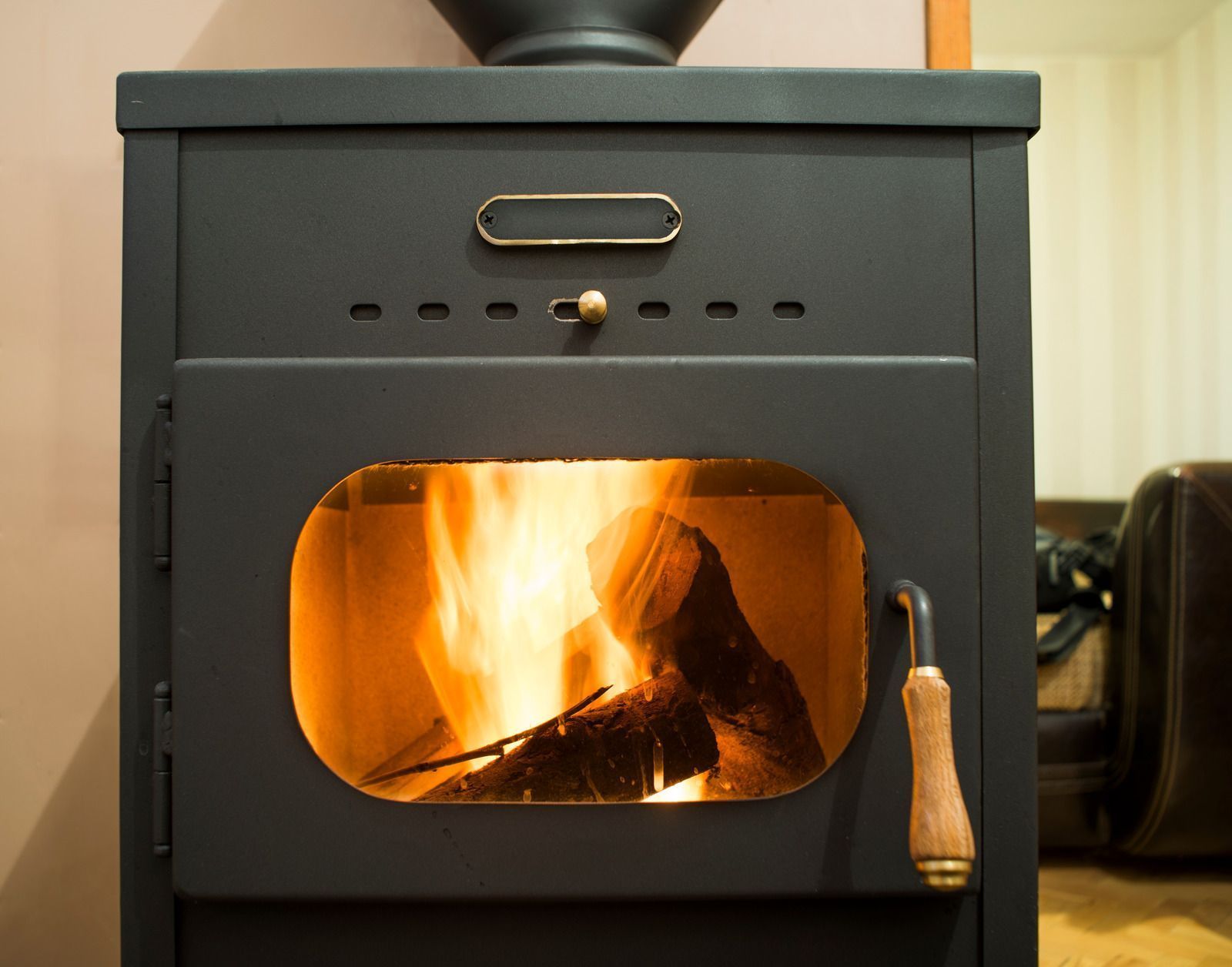
Pellet stoves come in a wide range of styles, from classic cast iron to sleek contemporary finishes. The right design not only complements your living space but also enhances the overall ambiance of your home. Freestanding units offer decorative flexibility, while inserts can transform an existing fireplace into a functional centerpiece. Selecting a stove that aligns with your interior design ensures both warmth and visual appeal.
Placement and Space Optimization
Strategic placement of your pellet stove impacts heat distribution and usability. Ensure adequate clearance from walls, furniture, and combustible materials. Corner placement, wall-mounting options, or positioning near high-traffic areas can optimize airflow and enhance overall comfort. Assessing available space and flow patterns beforehand prevents installation challenges and maximizes heating efficiency.
7. Expert Recommendations
Matching Stove Size to Lifestyle
Experts advise homeowners to match stove size with both heating needs and lifestyle. Oversized stoves may waste fuel and produce excessive heat, while undersized units struggle to maintain comfort during colder months. A professional assessment of home layout, insulation, and seasonal weather patterns ensures a well-balanced selection.
Combining Efficiency with Comfort
Pairing efficiency with user-friendly features creates the optimal pellet stove experience. Automatic augers, programmable thermostats, and quiet operation improve convenience while maintaining energy savings. Understanding how these features interact with your home’s heating demands allows for a tailored solution that meets both comfort and efficiency goals.
Maintenance Planning
Establishing a clear maintenance schedule is crucial. Annual professional inspections, combined with routine hopper and ash cleaning, extend the stove’s lifespan and prevent operational issues. Experts recommend keeping spare pellets, cleaning tools, and replacement parts on hand to avoid disruptions during peak usage periods.
8. Long-Term Investment and Environmental Impact
Cost-Benefit Analysis
Investing in a pellet stove should consider both upfront costs and long-term savings. While high-end models may require a larger initial investment, energy efficiency, reduced fuel consumption, and lower heating bills offset the cost over time. Evaluating total cost of ownership helps homeowners make informed decisions that align with budget and long-term goals.
Eco-Friendly Advantages
Pellet stoves are an environmentally conscious choice, producing lower emissions than traditional wood stoves and oil-based heating systems. Using renewable fuel sources like wood pellets reduces dependence on fossil fuels and minimizes your carbon footprint. Homeowners seeking sustainable heating solutions benefit from both environmental and economic advantages.
Expert Advice for Optimal Stove Performance
Choosing the right pellet stove for your living space involves balancing heating capacity, fuel efficiency, design preferences, and safety considerations. By assessing your room size, local climate, and lifestyle needs, you can select a stove that delivers consistent warmth, operational efficiency, and long-term reliability. Evaluating stove types, venting options, user-friendly features, and maintenance requirements ensures a seamless integration into your home, maximizing both comfort and energy savings. Furthermore, selecting a stove from a reputable manufacturer and planning for proper installation and upkeep ensures your investment performs optimally for years to come.
For residents in Albuquerque, NM, and surrounding areas, Shawn's Chimney Sweep & Stove Company
stands as a trusted authority in pellet stove sales, installation, and maintenance. With 40
years of experience, the team combines technical expertise, local knowledge, and customer-focused service to guide homeowners through every step of selecting and operating a pellet stove. From initial consultation to professional installation and ongoing maintenance, we ensure that every stove functions efficiently, safely, and reliably. Their commitment to quality craftsmanship and attention to detail provides peace of mind, whether upgrading an existing fireplace or installing a new freestanding unit. Choosing Shawn’s guarantees expert advice, superior service, and a heating solution tailored to your home’s unique requirements.