7 Signs Your Fireplace Needs Maintenance or Repairs
Fireplaces have long been a centerpiece in homes, offering both warmth and ambiance during colder months. Beyond their aesthetic appeal, fireplaces serve a practical purpose, providing an efficient heating source when properly maintained. However, like any mechanical system, fireplaces are prone to wear and deterioration over time. Neglecting regular maintenance can compromise safety, reduce heating efficiency, and result in costly repairs. Understanding the signs that indicate a fireplace requires attention is essential for homeowners who wish to protect their investment and ensure a safe, functional heating system.
Whether your fireplace is wood-burning, gas, or a combination, early detection of issues can prevent minor concerns from becoming major hazards. Many homeowners are unaware of subtle signs that suggest underlying problems, such as unusual odors, smoke irregularities, or structural damage. Recognizing these warning signals not only enhances safety but also preserves the performance and longevity of the fireplace. This guide will explore seven key indicators that your fireplace may need maintenance or repairs, providing actionable insights, expert reasoning, and best practices for keeping your fireplace in optimal condition year-round.
1. Excessive Smoke or Poor Draft
Signs to Watch For
A properly functioning fireplace should allow smoke to rise naturally through the chimney. If you notice excessive smoke filling the room, lingering odors, or smoke backing into your living area, it’s a clear indication of airflow or drafting issues. Poor draft can result from obstructions within the chimney, a blocked flue, or creosote buildup.
Common Causes
Debris, bird nests, or soot accumulation can restrict airflow, forcing smoke to flow backward into your home. Structural issues in the chimney, such as leaning flue liners or chimney cap damage, can also impede proper ventilation. Gas fireplaces may exhibit smoke or incomplete combustion if the burner or pilot system is malfunctioning.
Actionable Steps
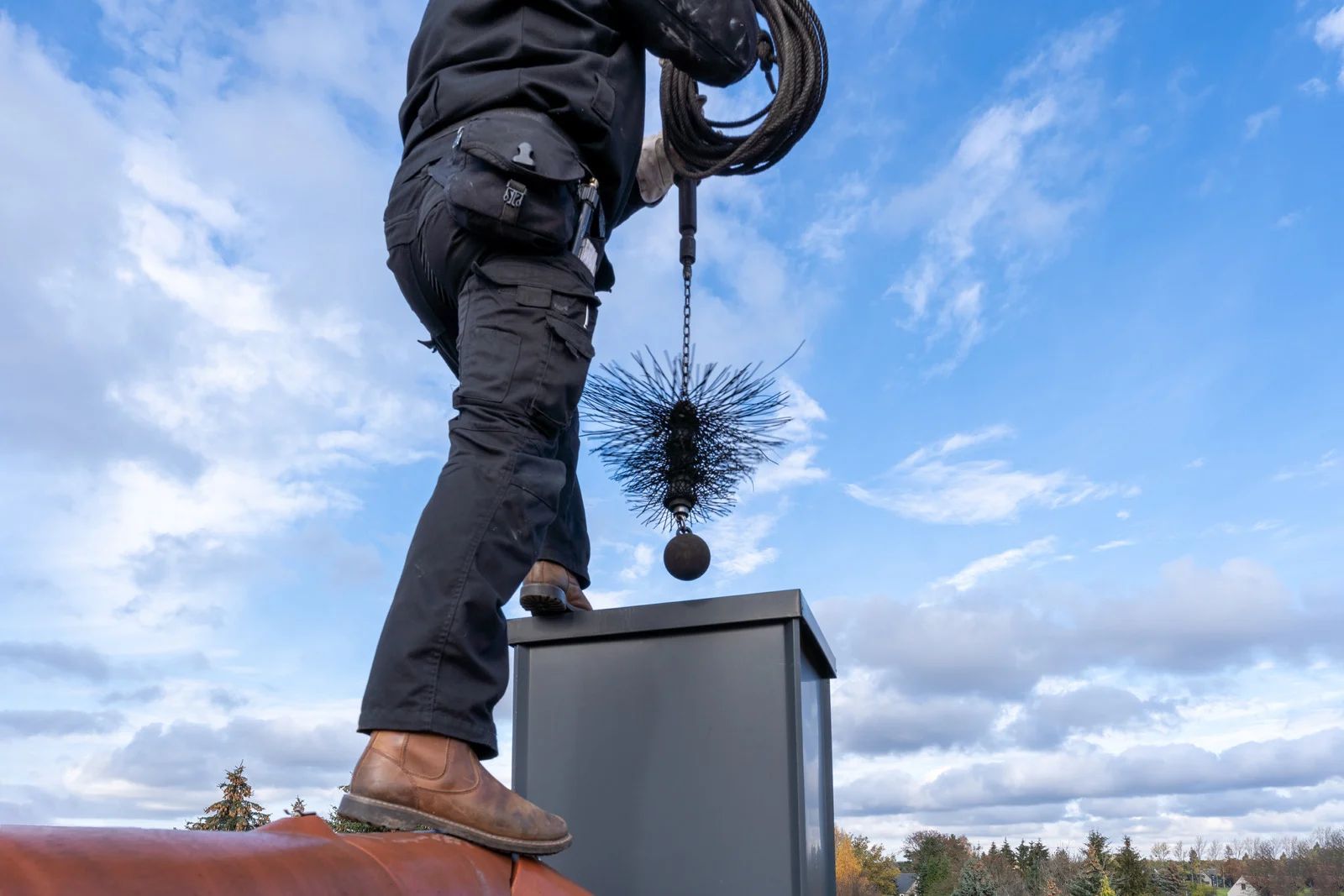
Inspecting and cleaning the chimney at least once a year is critical. A professional chimney sweep can remove obstructions, inspect flue liners, and verify proper draft. Additionally, checking the damper for correct operation ensures that smoke exits efficiently and that your fireplace functions safely.
Real-World Scenario
Consider a homeowner in an older property noticing persistent smoke during evening fires. After a professional inspection, it was found that a small bird nest partially blocked the flue, causing smoke to fill the room. Timely maintenance resolved the issue before soot stained walls or furniture.
2. Visible Cracks or Structural Damage
Identifying Structural Concerns
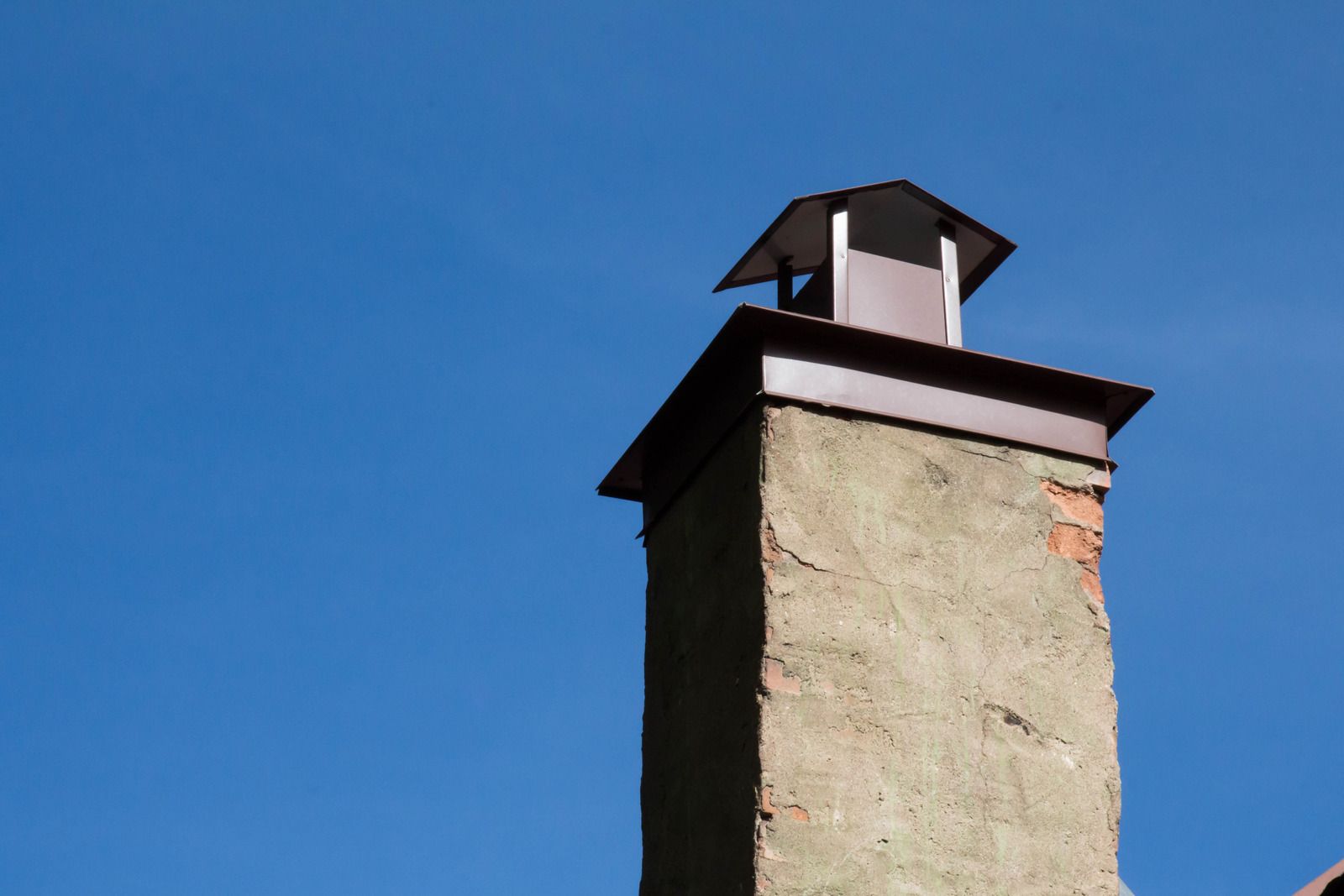
Fireplaces and chimneys endure significant thermal and environmental stress. Over time, brickwork, mortar joints, and fireboxes can develop cracks. Visible cracks are a serious warning sign that the structure may be weakening, potentially leading to dangerous situations, such as chimney collapse or fire hazards.
Causes of Damage
Thermal expansion from repeated heating cycles can cause bricks and mortar to shift or crack. Water infiltration is another common culprit; moisture can penetrate masonry, freeze during cold weather, and expand, exacerbating cracks. Improper installation or aging components may also contribute to structural issues.
Best Practices for Homeowners
Regular inspection of your fireplace’s interior and exterior is essential. Minor hairline cracks may not require immediate repair but should be monitored, whereas larger cracks or spalling bricks necessitate professional intervention. Repointing mortar joints and repairing damaged bricks can restore structural integrity and prevent further deterioration.
Expert Insight
Masonry repairs should always be performed by certified professionals. Attempting DIY fixes may compromise safety and lead to uneven repairs that affect the fireplace’s functionality.
3. Creosote Buildup and Fire Hazards
Understanding Creosote
Creosote is a highly flammable substance that accumulates inside chimneys and flues from burning wood. Even a thin layer of creosote increases the risk of chimney fires, making its detection and removal critical for fireplace safety.
Identifying the Signs
Thick black or shiny deposits on chimney walls, a strong smoky odor, and a lingering soot smell are clear indicators of excessive creosote buildup. Homeowners may also notice a decreased draft, which often accompanies heavy creosote deposits.
Maintenance Strategies
Annual chimney sweeping is the industry standard for preventing creosote accumulation. For high-usage fireplaces, more frequent cleanings may be necessary. Additionally, burning seasoned hardwood reduces the rate of creosote formation, as wet or soft woods tend to produce more smoke and residue.
Real-World Example
A family noticed a strong acrid smell during fireplace use, prompting an inspection. The chimney sweep discovered significant creosote layers, which, if left untreated, could have caused a major fire. Removal restored safe functionality and improved airflow.
Safety Benefits
Regular creosote management reduces fire risks, enhances efficiency, and prolongs the lifespan of your fireplace. It also ensures compliance with safety codes and insurance requirements, safeguarding both property and residents.
4. Strange Odors or Unusual Sounds
Recognizing Warning Signs
Unpleasant odors or unusual sounds are often overlooked indicators of fireplace issues. Musty or chemical smells may suggest water infiltration, gas leaks, or mold growth, while popping, crackling, or banging sounds can indicate structural problems or trapped moisture.
Causes and Concerns
Water leaks can cause mold and mildew, creating health hazards. Gas fireplaces may emit sulfur or rotten egg odors if there is a gas leak, necessitating immediate professional attention. Structural settling or thermal expansion can lead to loud cracking or popping sounds, signaling potential damage.
Actionable Guidance
Investigate unusual smells promptly and avoid using the fireplace until the source is identified. For gas units, shut off the supply and contact a certified technician immediately. For masonry fireplaces, a professional inspection can determine whether moisture or structural issues are present.
Best Practices
Maintaining a routine inspection schedule helps identify these subtle warning signs before they escalate. Installing carbon monoxide detectors near the fireplace area provides an additional layer of safety.
Real-World Scenario
A homeowner noticed faint sulfur-like odors near a gas fireplace. Prompt inspection revealed a loose gas line connector. Early detection prevented a potentially dangerous leak and ensured safe, efficient operation.
5. Water Damage or Moisture Intrusion
Spotting Moisture Issues
Water infiltration is a common problem in chimneys, especially those exposed to harsh weather. Stains, efflorescence (white mineral deposits), or damp odors around the fireplace are indicators of moisture intrusion. Moisture can weaken masonry, damage interior finishes, and accelerate structural deterioration.
Causes of Water Damage
Damaged chimney caps, cracked crown mortar, or missing flashing often allow rainwater or snow to enter the chimney. Over time, water freezes and expands, exacerbating cracks and leading to costly repairs.
Preventive Measures
Installing a properly fitted chimney cap, sealing crowns, and repairing flashing are key preventive strategies. Regular inspections and maintenance reduce the likelihood of water-related issues and extend the life of the fireplace.
6. Damaged or Worn Components
Identifying Component Wear
Fireplaces consist of several critical components, including dampers, fireboxes, grates, and liners. Over time, these elements can warp, corrode, or deteriorate, compromising performance and safety.
Common Issues
- Damper problems: A malfunctioning damper can restrict airflow or allow heat to escape.
- Firebox damage: Cracked or chipped fireboxes reduce safety and efficiency.
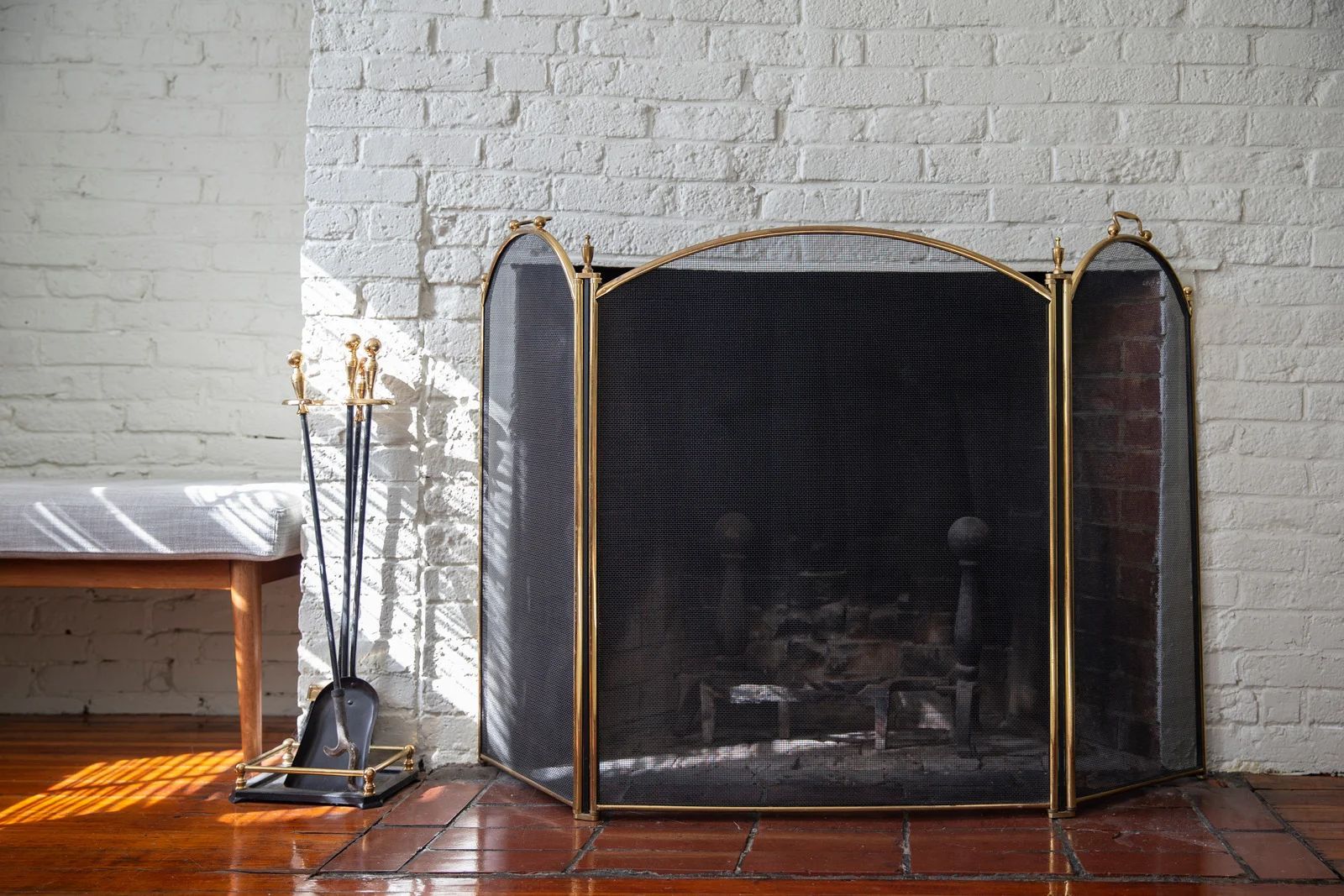
- Grates and screens: Rusted or bent grates can fail to contain embers, increasing fire hazards.
Recommended Actions
Regular inspection ensures that worn or damaged parts are replaced promptly. Choosing heat-resistant, durable materials for replacements enhances longevity. Maintenance checks should focus on both functional and aesthetic aspects to preserve the fireplace’s performance.
Benefits of Timely Component Replacement
Replacing damaged components prevents small issues from escalating into dangerous situations. It ensures safe operation, improves heating efficiency, and maintains the fireplace’s visual appeal within the home.
7. Decreased Heating Efficiency
Recognizing Efficiency Loss
If your fireplace produces less heat than usual or requires more fuel to maintain warmth, it may indicate maintenance needs. Reduced efficiency can result from blockages, worn components, or draft issues.
Causes of Reduced Performance
Creosote buildup, leaky dampers, or damaged liners can prevent proper airflow and heat transfer. In gas fireplaces, clogged burners or pilot lights may impair combustion efficiency, resulting in uneven heating.
Best Practices for Homeowners
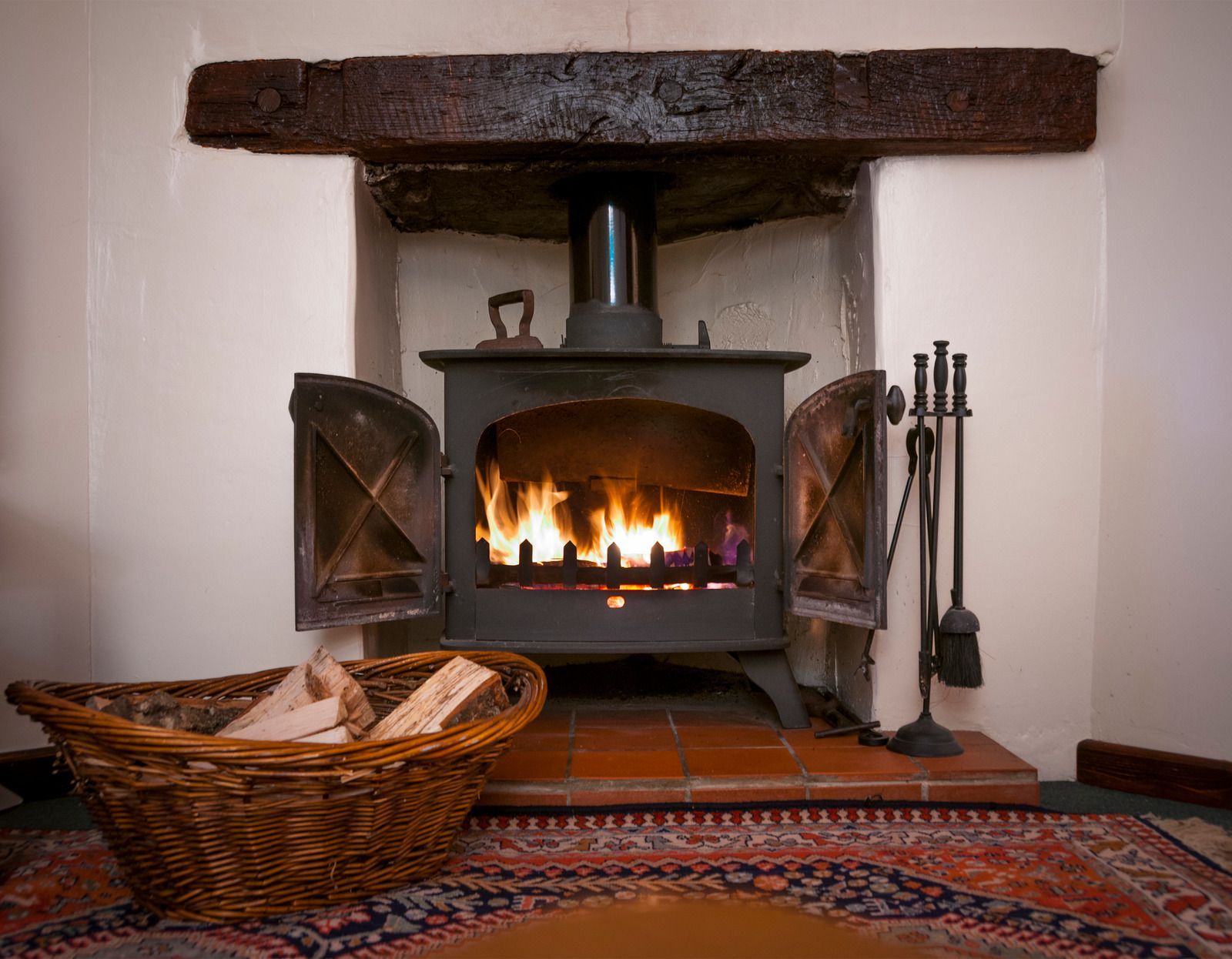
Schedule annual inspections to evaluate performance, clean critical components, and correct inefficiencies. For wood-burning units, ensure logs are properly sized, and fuel is well-seasoned to maximize heat output. For gas units, a certified technician should assess the burner and ventilation system.
Real-World Scenario
A homeowner noticed their wood fireplace was barely heating a large living space. A professional inspection revealed partial flue obstruction and warped dampers. After cleaning and adjustments, the fireplace restored optimal performance, providing warmth without wasting fuel.
Dependable Experts Protecting Homes Through Fireplace Maintenance
Regular fireplace maintenance is crucial for safety, efficiency, and longevity. Recognizing the signs of potential issues—excessive smoke, structural cracks, creosote buildup, strange odors, moisture intrusion, worn components, and reduced heating efficiency—allows homeowners to take timely action. Proactive inspections and professional servicing prevent minor problems from escalating, ensuring a reliable, functional fireplace throughout the year.
When it comes to expert maintenance and repair, trust matters. Shawn's Chimney Sweep & Stove Company
in Albuquerque, NM, brings over 40
years of experience in providing comprehensive fireplace care. As a family-owned business, they offer detailed inspections, thorough cleaning, and professional repairs tailored to both wood-burning and gas fireplaces. Their team combines technical expertise with personalized customer service, ensuring your fireplace remains safe, efficient, and visually appealing. From routine maintenance to emergency repairs, Shawn's Chimney Sweep & Stove Company
delivers unmatched reliability and peace of mind for homeowners across Albuquerque, maintaining the highest standards of quality and safety in every project.