Electric vs. Gas Fireplaces: Pros, Cons, and Cost Comparison
Fireplaces have long been more than just a source of warmth—they are a focal point of comfort, style, and ambiance in homes. As homeowners seek efficient, reliable, and visually appealing heating options, the choice between electric and gas fireplaces has become increasingly relevant. Each type offers unique benefits and potential drawbacks, impacting not only aesthetics but also energy efficiency, installation requirements, and long-term costs. Understanding these differences is essential for homeowners looking to make informed decisions that align with their lifestyle and budget. Beyond functionality, fireplaces also influence property value and interior design cohesion, making the right selection a critical consideration for both new builds and renovations.
The growing popularity of modern fireplaces is closely tied to advancements in technology, energy efficiency, and design flexibility. Gas fireplaces, known for their powerful heat output and realistic flame effects, contrast with electric fireplaces, which provide easy installation and minimal maintenance. While both options can enhance the visual appeal of living spaces, they differ significantly in performance, operating costs, and environmental impact. Choosing between them requires careful evaluation of space requirements, fuel availability, and long-term operational costs. This comprehensive guide explores the pros, cons, and cost considerations of electric and gas fireplaces, offering actionable insights for homeowners, interior designers, and real estate enthusiasts alike. By examining key factors and real-world scenarios, this blog helps readers make informed, practical decisions while optimizing comfort, safety, and energy efficiency in their homes.
Electric Fireplaces: Benefits, Drawbacks, and Costs
Benefits of Electric Fireplaces
Ease of Installation
Electric fireplaces are highly versatile in placement. Unlike gas models that often require venting or connection to a fuel line, electric units can be installed almost anywhere with access to a standard electrical outlet. This flexibility allows homeowners to place a fireplace in rooms without chimneys or gas lines, making them ideal for apartments, condos, and renovated spaces.
Safety and Low Maintenance
Electric fireplaces are inherently safer, producing no real flame or combustible gases. They are ideal for households with children or pets, reducing the risk of burns or accidental fires. Maintenance is straightforward—typically limited to occasional dusting and checking electrical components, eliminating the need for chimney cleaning or gas line inspections.
Energy Efficiency and Environmentally Friendly
Electric fireplaces convert nearly all consumed energy into heat, avoiding the energy loss associated with traditional fireplaces. They also operate without emissions, making them an eco-friendly choice for environmentally conscious homeowners. Many models feature adjustable thermostats and timers, allowing precise energy usage control and cost savings over time.
Drawbacks of Electric Fireplaces
Limited Heating Capacity
While electric fireplaces can comfortably warm small to medium-sized rooms, they often struggle in larger spaces or in homes relying solely on the fireplace for primary heat. Their heat output is generally lower than gas models, which can be a drawback in extremely cold climates.
Aesthetic Limitations
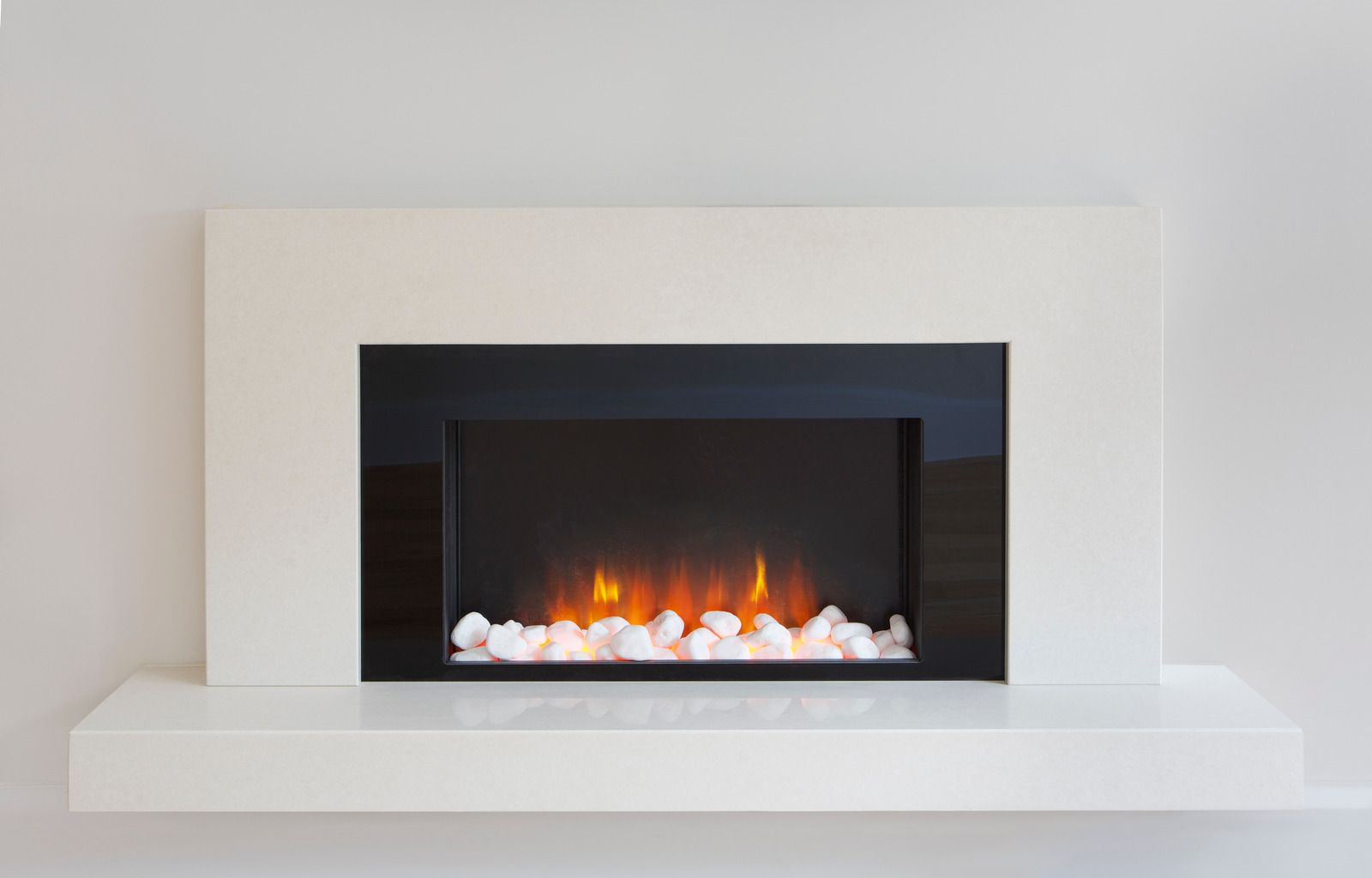
Though modern electric fireplaces simulate flames convincingly, they may not fully replicate the authentic look and ambiance of real fire. Some homeowners may find the visual experience less satisfying compared to a natural gas flame.
Electricity Dependence
Electric fireplaces are entirely dependent on power, meaning they are unusable during outages unless paired with a backup generator. This limitation can affect reliability in regions prone to power interruptions.
Cost Considerations for Electric Fireplaces
Upfront Costs
Electric fireplaces are generally more affordable than gas models. Entry-level units start around $300, while premium designs with advanced flame effects and built-in heating options range between $1,000 and $3,000.
Installation Costs
Because no gas line or venting is required, installation costs are typically low—often between $100 and $500 if professional installation is needed. Many homeowners can even install units themselves.
Operating Costs
Operating costs depend on electricity rates and usage frequency. For example, running a 1,500-watt electric fireplace for five hours daily can cost roughly $0.18–$0.22 per hour, translating to $27–$33 per month. Though manageable for supplemental heating, long-term costs may exceed those of gas in regions with high electricity rates.
Gas Fireplaces: Benefits, Drawbacks, and Costs
Benefits of Gas Fireplaces
Gas fireplaces are known for their superior heating capacity, capable of warming large rooms efficiently. They provide consistent, controllable heat and can serve as a primary or supplementary heat source during cold winters.
Authentic Aesthetic Appeal
Modern gas fireplaces feature realistic flame effects, glowing embers, and even ceramic logs that closely mimic the appearance of wood-burning fire. This authentic ambiance enhances the aesthetic appeal of living spaces, creating a warm and inviting atmosphere for family gatherings or entertaining guests.
Convenience and Ease of Use
Gas fireplaces are simple to operate, often equipped with remote controls or wall-mounted switches. Many models include programmable timers and thermostats, offering precise temperature regulation without manual labor. Unlike wood-burning fireplaces, gas units eliminate the need for chopping, storing, or transporting firewood.
Drawbacks of Gas Fireplaces
Installation Complexity
Gas fireplaces require a professional installation, which may involve connecting a natural gas line or propane supply, as well as venting for exhaust gases. Depending on home configuration, this process can be costly and may require structural modifications.
Maintenance Requirements
Gas fireplaces require regular maintenance, including inspecting the gas line, checking burners, cleaning vents, and servicing ignition systems. While less labor-intensive than wood-burning fireplaces, these tasks require attention to ensure safety and optimal performance.
Environmental Considerations
While cleaner than wood-burning fireplaces, gas units still emit carbon dioxide. Natural gas and propane are fossil fuels, and their usage contributes to greenhouse gas emissions. Homeowners concerned with environmental impact may prefer electric alternatives or hybrid options.
Cost Considerations for Gas Fireplaces
Upfront Costs
Gas fireplaces are generally more expensive than electric units. Basic models start around $2,000, while high-end designs can exceed $5,000, depending on size, features, and aesthetic customization.
Installation Costs
Professional installation is necessary, often ranging from $1,000 to $3,000 or more. Costs increase if venting, structural modifications, or long gas line runs are required.
Operating Costs
Operating costs depend on fuel type, usage, and local prices. Natural gas is typically cheaper than electricity per unit of energy, making gas fireplaces cost-effective in areas with lower fuel prices. For example, a gas fireplace consuming 40,000 BTUs per hour may cost $0.50–$1 per hour to operate, depending on regional rates.
Comparing Electric and Gas Fireplaces
Heat Output and Efficiency
Gas fireplaces generally outperform electric units in terms of heating capacity, making them suitable for larger areas or colder climates. Electric fireplaces, while efficient for small spaces, provide supplemental heat and are ideal for mild to moderate climates. Understanding the intended use is crucial—whether for aesthetic appeal, supplemental warmth, or primary heating.
Installation and Flexibility
Electric fireplaces offer unmatched installation flexibility, allowing for placement almost anywhere without venting or fuel lines. Gas fireplaces, although limited in placement, provide a permanent, high-performance solution that enhances home value. The installation process and associated costs play a significant role in determining the most practical option for homeowners.
Safety and Maintenance
Electric units excel in safety, requiring minimal upkeep and posing virtually no fire hazards. Gas fireplaces offer convenience and realism but require ongoing maintenance and adherence to safety protocols to prevent gas leaks or venting issues. For households with children, pets, or elderly residents, electric fireplaces may offer peace of mind.
Aesthetics and Ambiance
While electric fireplaces have advanced significantly in replicating flames, gas fireplaces remain the gold standard for authentic fire ambiance. High-quality gas units mimic the flicker, glow, and warmth of traditional wood-burning fireplaces, providing a visually striking centerpiece for living areas.
Cost Comparison
Upfront and installation costs favor electric fireplaces, which are budget-friendly and easy to install. Gas fireplaces involve higher initial investment and professional installation but can offer long-term cost savings in regions with affordable gas prices. Operating costs vary depending on energy rates, usage patterns, and efficiency ratings. Homeowners should weigh initial expenses against potential energy savings and long-term performance.
Professional Fireplace Solutions With Unmatched Local Knowledge
Choosing between electric and gas fireplaces involves balancing heat output, aesthetics, installation requirements, and long-term costs. Electric fireplaces offer flexibility, safety, and low-maintenance convenience, making them ideal for small spaces, renovations, or eco-conscious homeowners. Gas fireplaces provide superior heat, authentic flame visuals, and enhanced ambiance, suited for larger homes and colder climates. By weighing factors such as room size, energy costs, and personal preferences, homeowners can select a fireplace that optimizes comfort, style, and efficiency. Additionally, considering factors like zoning regulations, warranty coverage, and the potential for future upgrades can help ensure a smart investment that adds lasting value to the home.
For residents of Albuquerque, NM, Shawn’s Chimney Sweep & Stove Company brings over 40 years of trusted expertise in fireplace installation, maintenance, and repair. Our family-owned business is committed to helping homeowners select the ideal fireplace for their space, ensuring optimal performance, safety, and aesthetic appeal. From expert gas and electric fireplace installations to routine maintenance and professional consultations, our team combines decades of experience with personalized customer care. We pride ourselves on using high-quality materials and industry-approved techniques, guaranteeing results that not only enhance your living space but also stand the test of time. Whether upgrading your home or installing a new centerpiece, Shawn’s Chimney Sweep & Stove Company provides reliable guidance, exceptional craftsmanship, and lasting solutions tailored to your needs.