Electric Fireplaces: Are They Actually Energy Efficient?
Quick Answer: At the unit itself, yes. An electric fireplace is a resistance heater, so close to 99 to 100 percent of the electricity it draws becomes heat in the room, with nothing lost up a flue. A standard 1,500-watt model puts out roughly 5,100 BTU, enough to warm a single room of about 400 to 500 square feet. The real question is not the appliance rating but how you use it. Run one to heat a whole house and it will struggle. Use it to warm the room you are actually in while you turn down the central thermostat, and it earns its efficiency.
A high-desert night in Albuquerque drops fast once the sun is gone, and the living room is the only room anyone is using. Firing up the whole furnace to keep one couch warm feels like overkill, so the electric fireplace in the corner clicks on instead. The flames look convincing, the room warms in a few minutes, and a fair question follows: is this actually saving energy, or does it just look cozy while the meter spins?
The honest answer has two layers. Electric fireplaces are extremely efficient at what they do, but that efficiency only pays off when they are used the right way for the right job. Understanding the difference is what separates a smart heating choice from a disappointing one.
What "Energy Efficient" Really Means for a Fireplace
Point-Of-Use Conversion
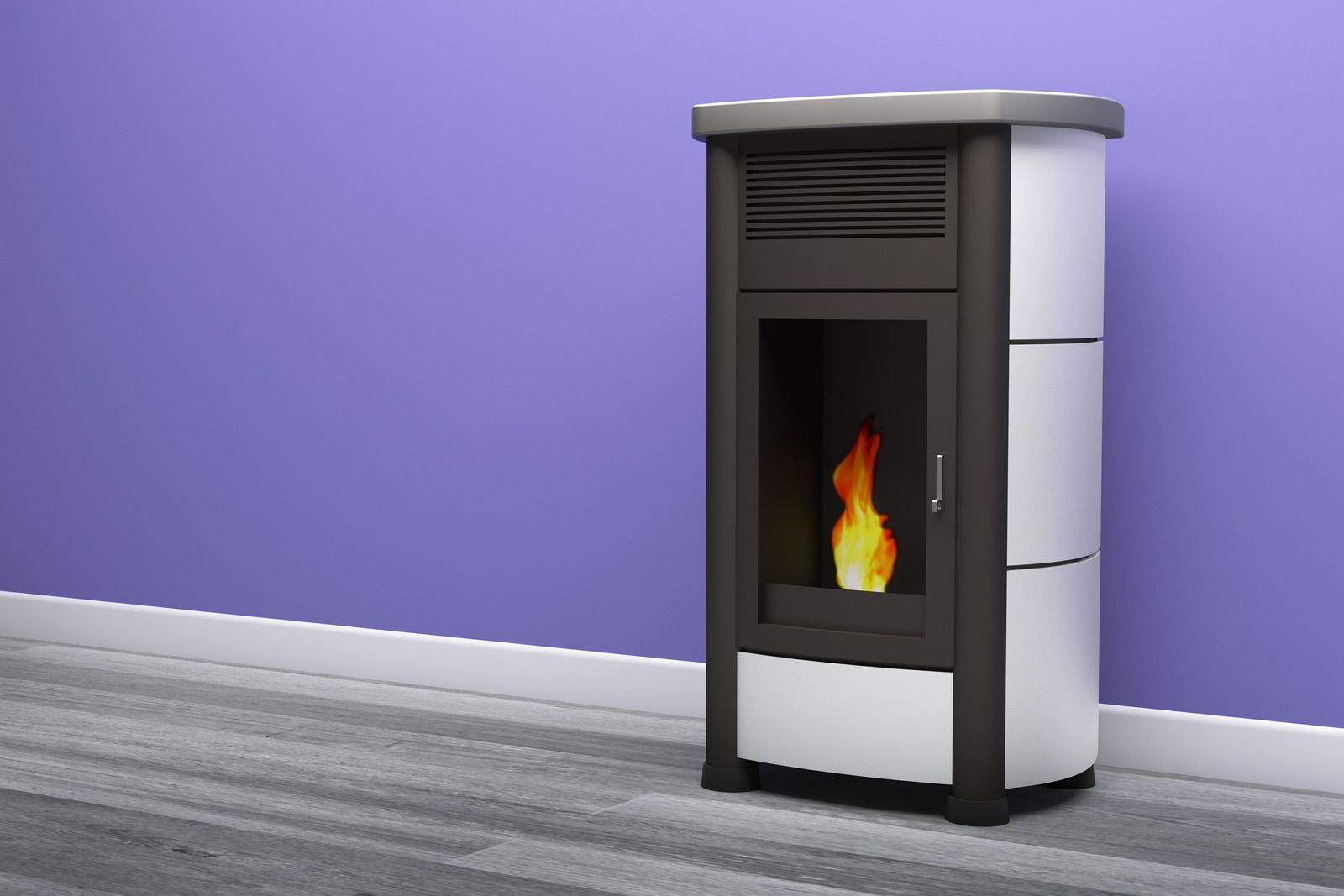
An electric fireplace works by passing current through a heating element, the same principle as a space heater or a toaster. Almost every unit of electricity that goes in comes back out as heat in the room. Independent testing and manufacturer ratings put that conversion near 99 to 100 percent. There is no combustion, no exhaust, and no chimney carrying warm air outside, so very little of the energy is wasted at the appliance.
Compare That To An Open Fire
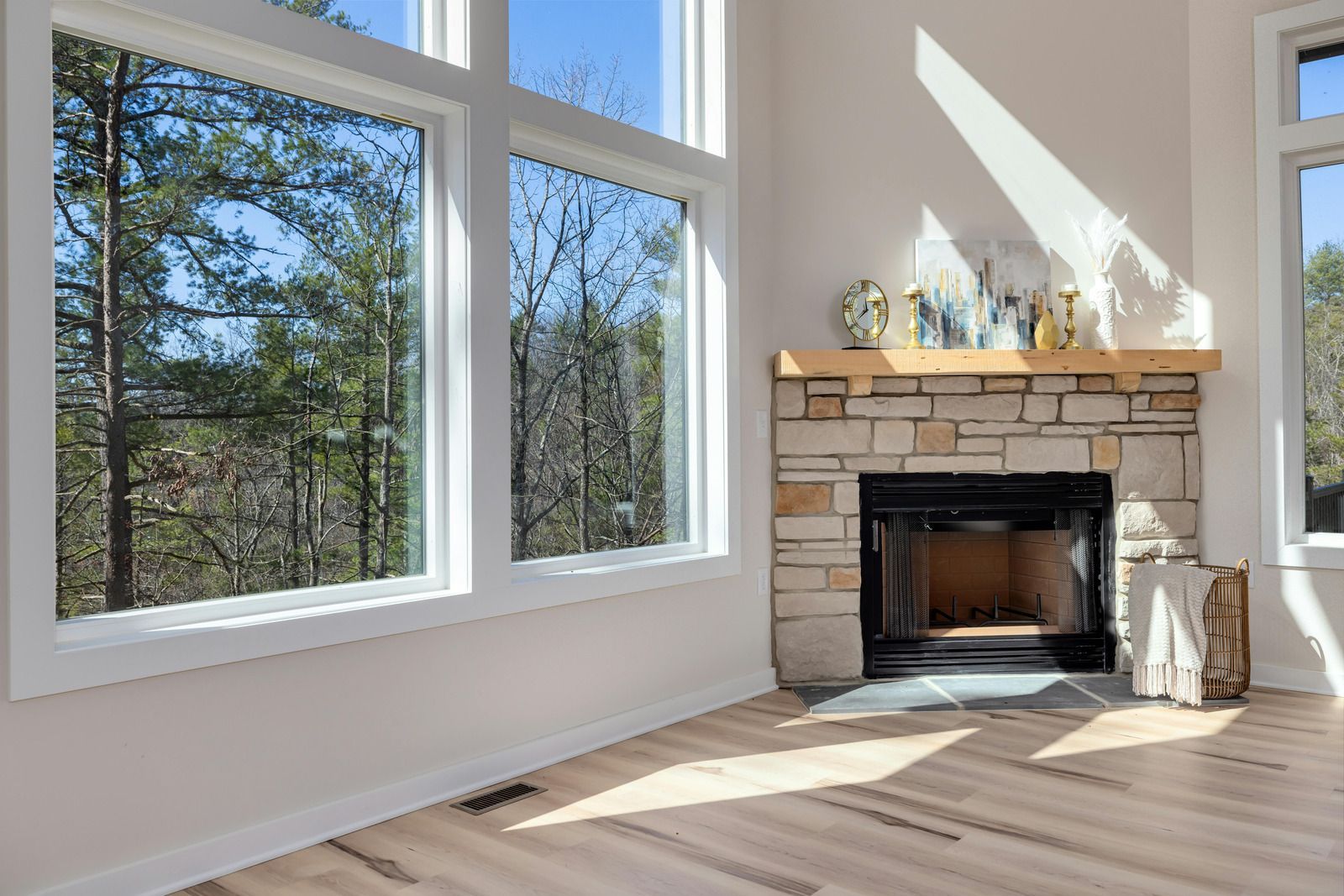
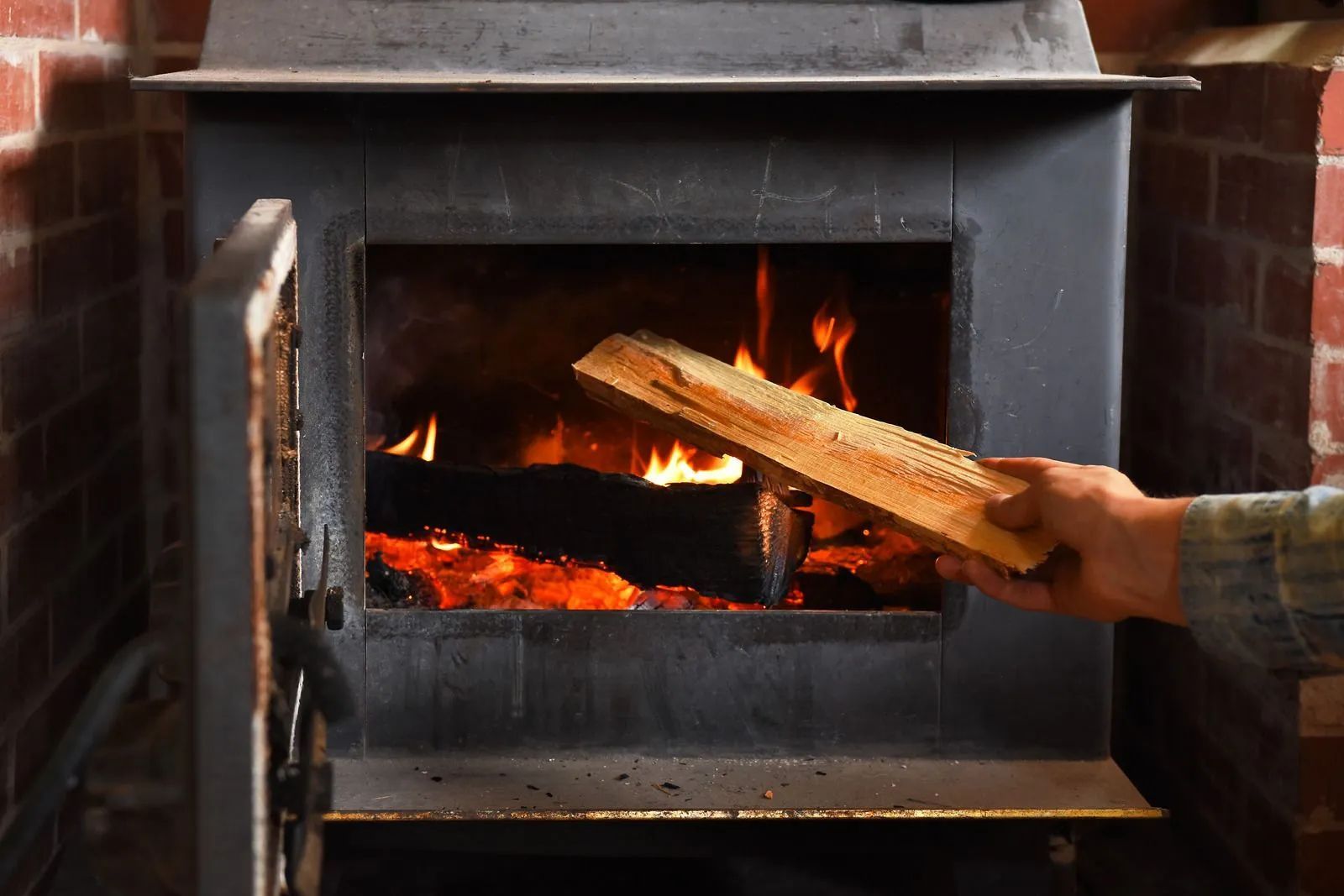
A traditional open masonry fireplace is the opposite story. Much of the heat a wood fire produces rides straight up the chimney, and an open fire can even pull already-warmed room air out with it. That is why a roaring wood fire can leave the far side of the room cold. An electric unit keeps all of its output indoors because there is nothing to vent.
The Number Behind the Claim
The math for electric heat is fixed. One watt equals about 3.41 BTU, so a typical 1,500-watt fireplace produces close to 5,100 BTU per hour on its high setting. That figure is enough to comfortably warm a room in the 400 to 500 square foot range under average ceiling height and reasonable insulation. Many units also offer a lower setting, often around 750 watts, for taking the chill off a smaller space or a bedroom.
Because the wattage is capped by a standard household outlet, the heat output is capped too. That is the built-in limit worth knowing before you buy: these units are sized for a room, not a house.
Where Electric Fireplaces Win
Zone Heating
This is the setup where an electric fireplace shines. Instead of heating every room in the home to the same temperature, you heat only the room you are occupying and dial back the central heat. In a house where the family spends the evening in one or two rooms, that can cut a meaningful amount of overall energy use, since the furnace is no longer warming empty bedrooms.
Flame Without Heat
The flame effect and the heating element run independently on most models. If you want the look of a fire on a mild evening, the flame-only mode draws very little power, often in the range of a few light bulbs, while the heater stays off. You get the ambiance without the energy of a full heat cycle.
No Maintenance Losses
There is no flue to leak warm air, no damper left open by mistake, and no draft pulling heat out of the house. What you put in stays in the room.
Tip: The single biggest efficiency gain from an electric fireplace comes from pairing it with your thermostat. Lower the central heat by a few degrees and let the fireplace hold the one room you are using warm. Heating occupied space instead of the whole house is where the savings live.
The Honest Caveats
Point Of Use Is Not The Whole Picture
The 99 percent figure describes the appliance, not the grid behind it. Generating and delivering electricity has its own losses upstream that never show up on the unit's rating. This matters for how you compare electric heat to other fuels, and it is a reason electric fireplaces are best framed as efficient room heaters rather than a whole-home solution.
They Are Not Central Heat
One 1,500-watt unit cannot warm a large, open floor plan or a poorly insulated home on a cold Albuquerque night. Asking it to do a furnace's job is where people conclude, wrongly, that electric fireplaces are inefficient. The unit is doing exactly what it was built for; it was simply pointed at too large a task.
The Room Matters As Much As The Unit
High ceilings, drafty windows, and thin insulation all pull heat away faster than the fireplace can supply it. A tight, well-insulated room holds the warmth and lets the fireplace cycle off; a leaky one keeps it running.
Getting the Most Out of One
Match The Unit To The Room
Size the fireplace to the square footage you actually want to heat. A model rated for 500 square feet will disappoint in a great room and will do beautifully in a den or bedroom.
Use The Thermostat And Timer
Models with a built-in thermostat cycle the heater off once the room reaches temperature instead of running flat out, which trims energy use. A timer keeps it from heating an empty room overnight.
Close The Room Off
Keeping a door or the room reasonably contained lets the heat build where you want it rather than drifting down a hallway.
Frequently Asked Questions
Do electric fireplaces use a lot of electricity?
On the heat setting, a standard unit draws about 1,500 watts, similar to a portable space heater or a hair dryer, and only while the heater is actually running. A model with a thermostat cycles off once the room is warm, so it is not pulling that full amount the whole time. In flame-only mode, the draw drops to a small fraction of that.
Can an electric fireplace be my only heat source?
For a single room or a small, well-insulated space it can carry the load. For a whole house, or a large open floor plan, it cannot replace a central furnace. Electric fireplaces are designed as supplemental, room-level heaters rather than primary heating for an entire home.
How large a room will a 1,500-watt electric fireplace heat?
A typical 1,500-watt unit produces around 5,100 BTU and comfortably warms roughly 400 to 500 square feet with average ceilings and decent insulation. Rooms with high ceilings, large windows, or weak insulation will feel the heat less, so plan for the low end of that range in those cases.
What is the difference between a 120-volt and a 240-volt model?
A 120-volt fireplace plugs into a standard outlet and tops out near 1,500 watts, which suits most bedrooms and living rooms. A 240-volt model requires a dedicated circuit but can push higher output, in the neighborhood of 8,500 BTU, to cover a larger space of around 1,000 square feet. The right choice depends on the room size and your electrical setup.
Does the flame effect use much power on its own?
No. On most units the LED flame display runs separately from the heating element and consumes very little electricity, roughly the amount of a few light bulbs. You can enjoy the look of a fire on a mild evening without turning on the heat at all.
Are electric fireplaces more efficient than a wood-burning fireplace?
At keeping heat in the room, yes. An open wood fireplace sends much of its heat up the chimney and can even draw warm air out of the house, while an electric unit keeps nearly all of its output indoors because it has no flue. A sealed wood or pellet stove is a different comparison, since those are built to hold heat far better than an open hearth.
What Efficiency Really Means in an Albuquerque Home
An electric fireplace is genuinely efficient, but that credit belongs to the appliance and the way you run it, not to any promise of heating a whole house for pennies. Treat it as a focused room heater, point it at the space where your evenings actually happen, and lean on it so the furnace can rest. Do that, and it delivers exactly what it claims on a cold high-desert night, warming the room you are in without waste.
Ask a single unit to heat an entire home and it will fall short, not from inefficiency but from being pointed at the wrong job. The fix is matching the fireplace to the room, and that is where experience earns its keep. Serving Albuquerque, NM for 40
years, Shawn's Chimney Sweep & Stove Company
can size electric, gas, or wood options to the exact space you want warm, so the unit you pick does its work quietly and holds the heat where you actually live.