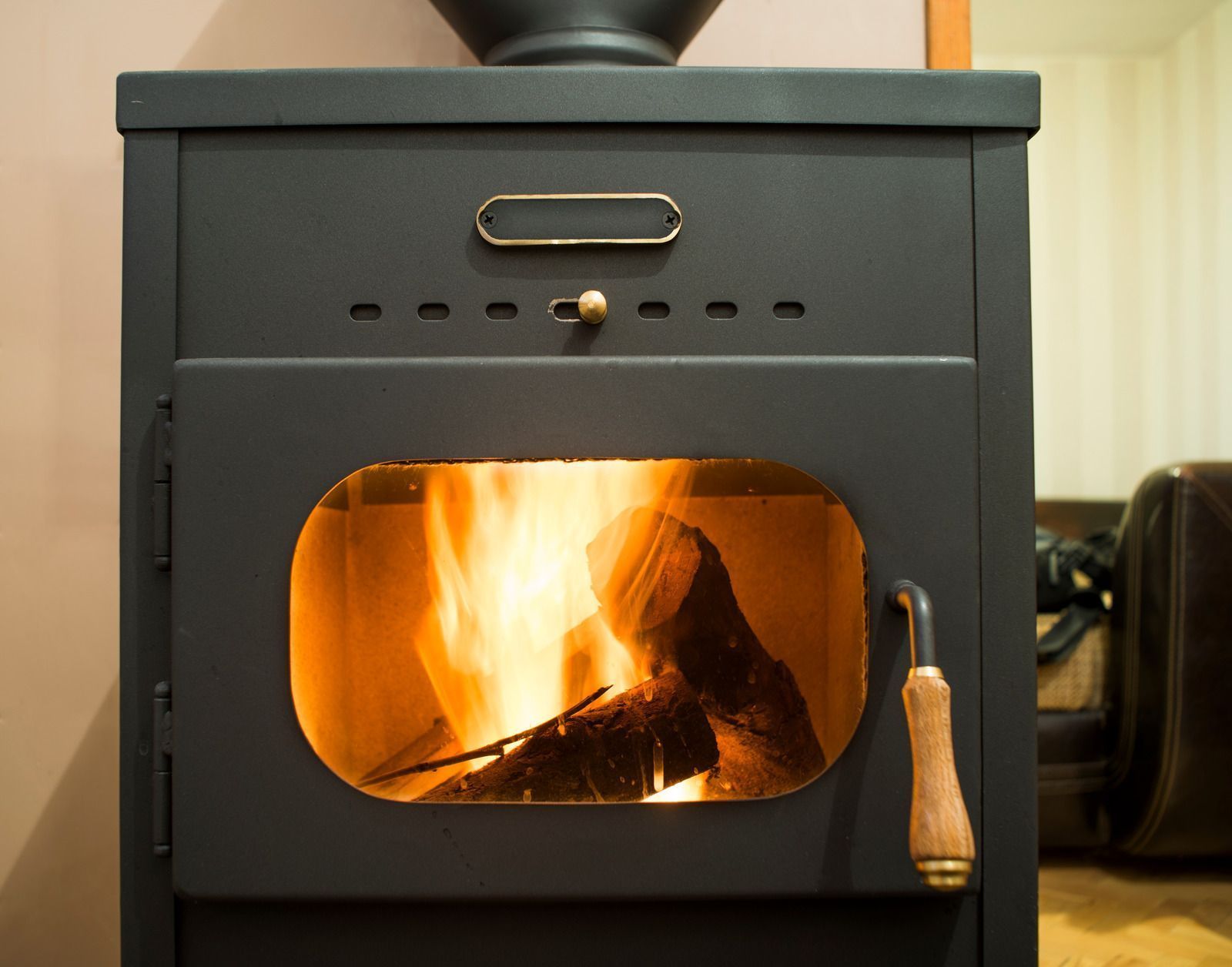
The Complete Guide to Pre-Fabricated Fireplaces
A fireplace has long been considered a centerpiece of comfort, warmth, and visual appeal within a home. While traditional masonry fireplaces remain popular, many homeowners today are turning to pre-fabricated fireplaces as a practical and cost-effective alternative. Also known as factory-built fireplaces, these systems are manufactured in controlled environments and designed for efficient installation. Modern construction methods, evolving building standards, and growing demand for energy-conscious home improvements have made pre-fabricated fireplaces an increasingly attractive option for both new construction and remodeling projects. Their versatility, affordability, and design flexibility allow homeowners to enjoy the ambiance of a fireplace without the extensive labor and structural requirements associated with traditional masonry systems. In addition, advancements in fireplace technology have improved efficiency, safety, and design options, making these systems suitable for a wide range of residential applications. As a result, pre-fabricated fireplaces continue to gain popularity among homeowners seeking both functionality and aesthetic appeal.
As residential construction continues to evolve, understanding how pre-fabricated fireplaces work has become important for homeowners, builders, and property managers alike. Choosing the right fireplace requires more than selecting an attractive design. Factors such as fuel type, installation requirements, maintenance needs, safety standards, and long-term performance all influence the value of the investment. Whether planning a new home build or upgrading an existing living space, a clear understanding of pre-fabricated fireplaces helps ensure informed decisions. This guide explores everything homeowners need to know, from system components and benefits to installation considerations and maintenance practices that support lasting performance and safety. It also highlights common mistakes to avoid and key factors that contribute to a successful installation. By understanding these important considerations, homeowners can maximize the benefits of their fireplace investment while creating a comfortable and inviting living environment.
Understanding What Pre-Fabricated Fireplaces Are
Definition and Core Components
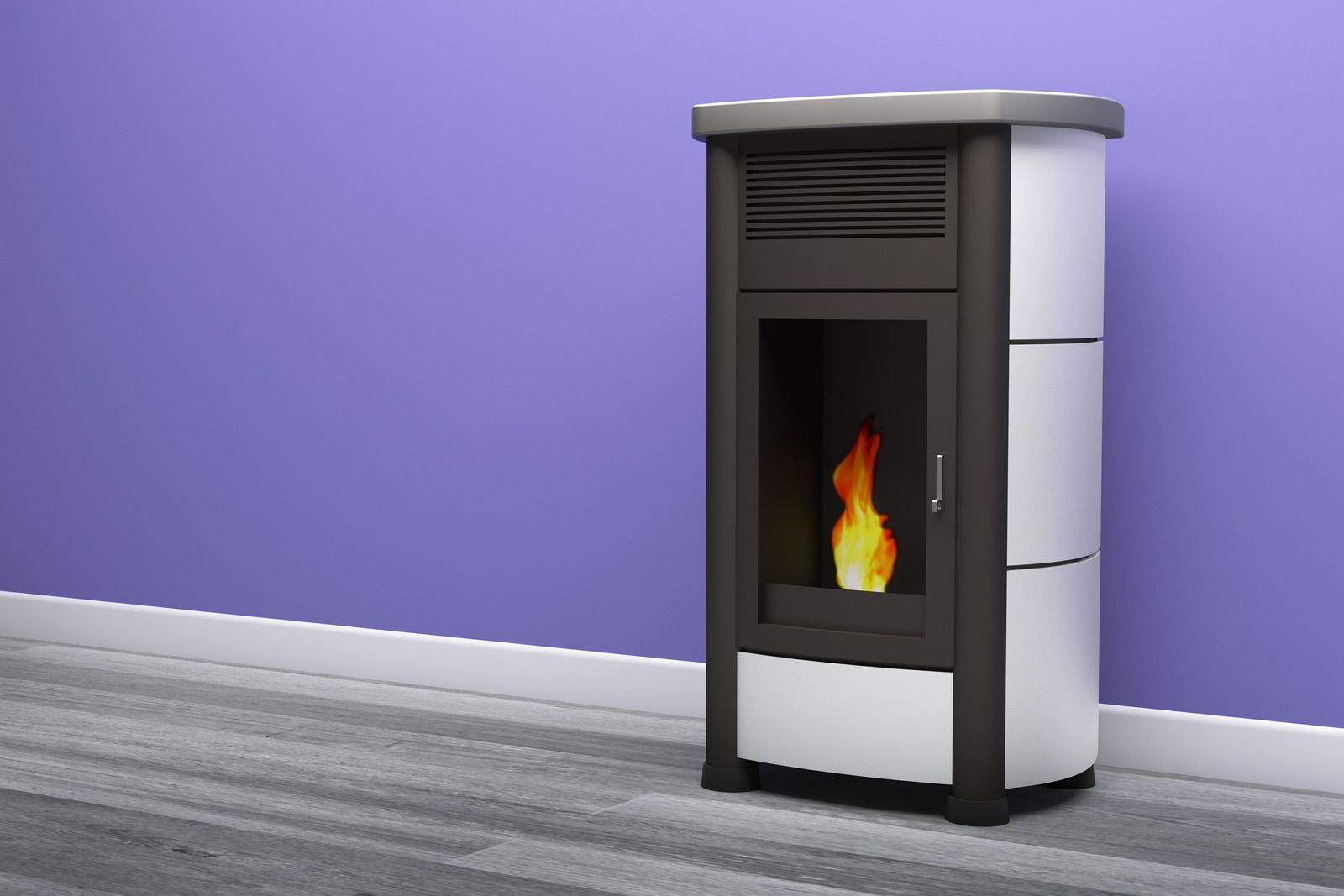
A pre-fabricated fireplace is a factory-built heating appliance designed and tested as a complete system before installation. Unlike traditional masonry fireplaces that are constructed on-site using brick, stone, and mortar, pre-fabricated units arrive ready for assembly.
These systems typically include:
- Firebox
- Chimney or venting components
- Insulated metal housing
- Safety barriers and protective components
- Decorative surrounds and finishing materials
Because every component is engineered to work together, manufacturers can test the entire system for safety and performance before it reaches the homeowner.
How They Differ from Masonry Fireplaces
Traditional fireplaces require extensive construction, structural support, and longer installation timelines. Pre-fabricated fireplaces offer a streamlined alternative that reduces labor requirements and installation complexity.
Key differences include:
- Faster installation
- Lower upfront costs
- Reduced structural demands
- Greater design flexibility
- Easier integration into modern floor plans
Many homeowners choose factory-built fireplaces because they can achieve the desired appearance and functionality without the expense associated with custom masonry construction.
Common Fuel Options
Pre-fabricated fireplaces are available in several fuel configurations:
Wood-Burning Models
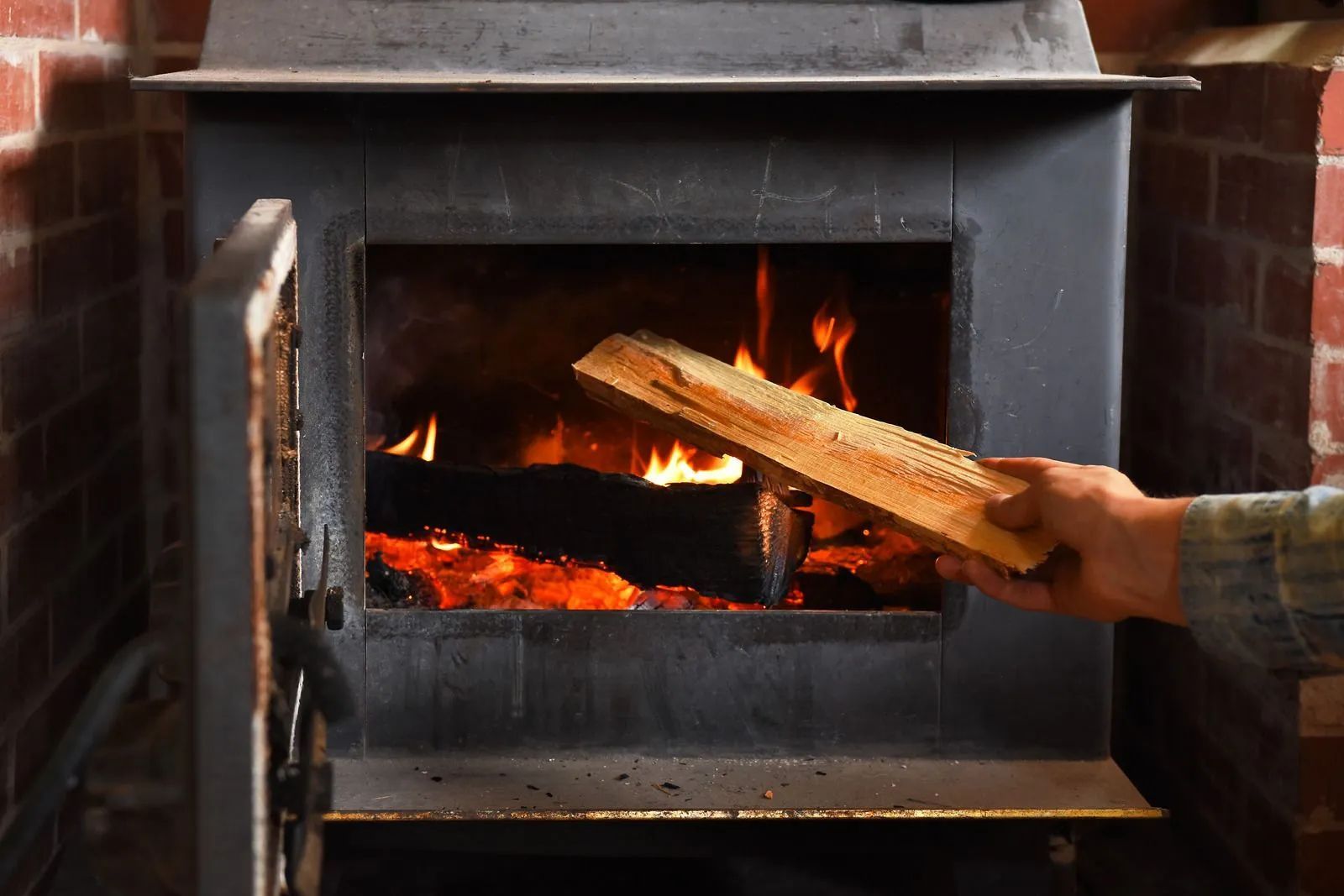
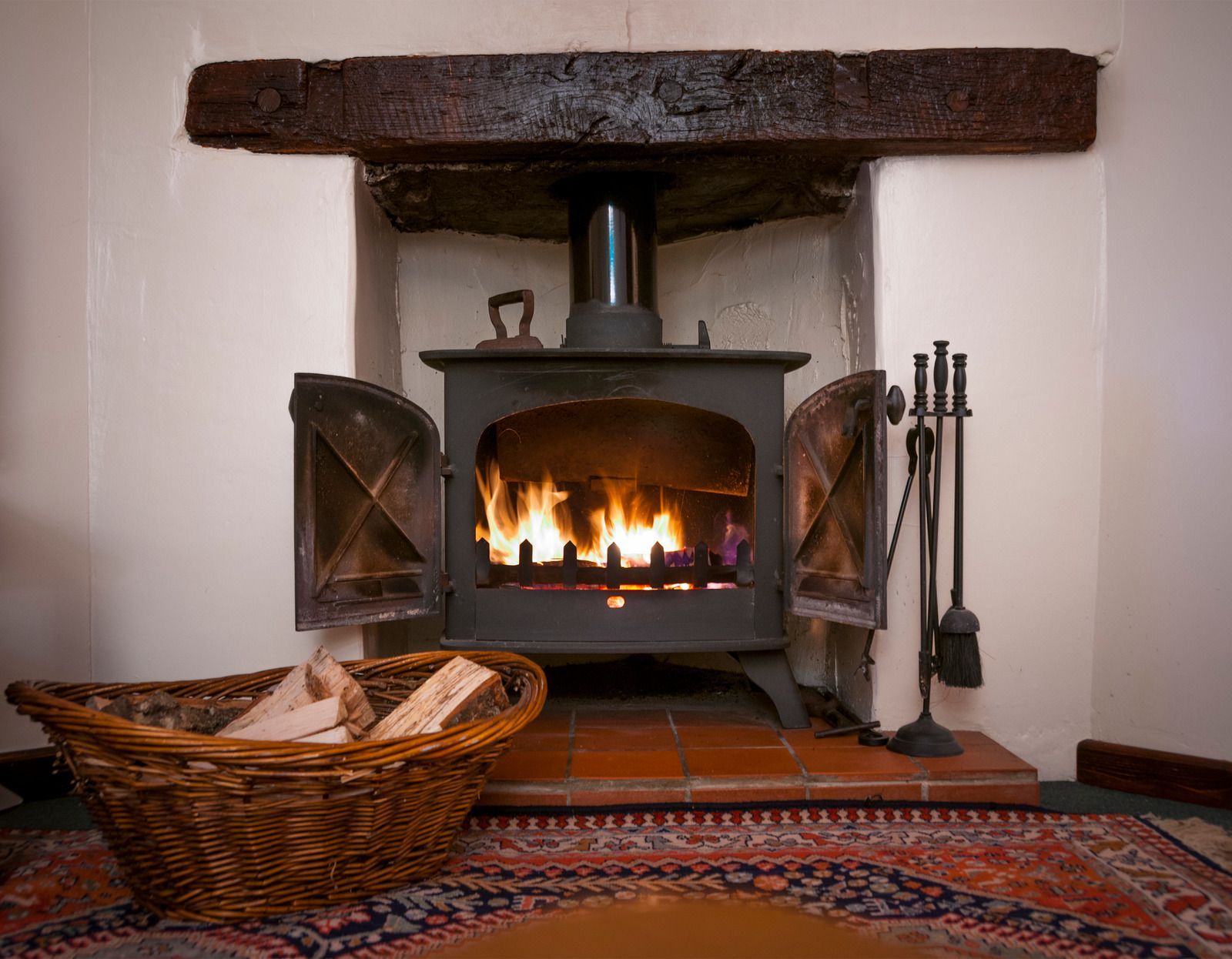
These provide the traditional crackling fire experience and authentic wood-burning atmosphere many homeowners prefer.
Gas Fireplaces
Natural gas and propane models offer convenience, instant ignition, and simplified maintenance.
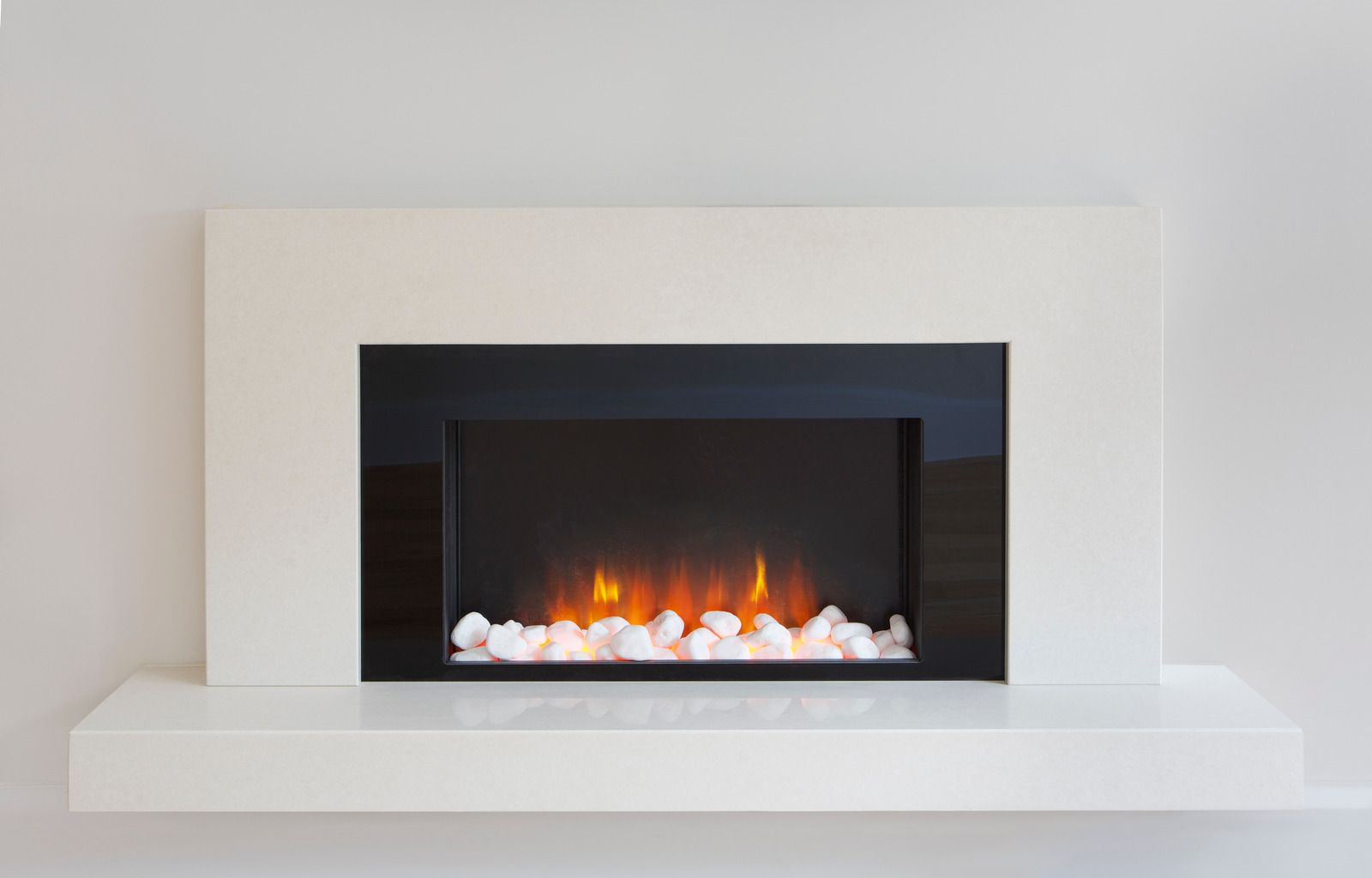
Electric Fireplaces
Electric units require no chimney and provide visual appeal with minimal installation requirements.
Each option serves different homeowner priorities, making fuel selection an important part of the planning process.
Benefits of Choosing a Pre-Fabricated Fireplace
Cost Savings Without Sacrificing Appeal
One of the most significant advantages of pre-fabricated fireplaces is affordability. Material costs, labor expenses, and installation timelines are generally lower than those associated with masonry fireplaces.
Homeowners can allocate more of their renovation budget toward design upgrades while still enjoying a high-quality fireplace feature.
Faster Installation Timelines
Construction schedules often play a major role in project planning. Because pre-fabricated fireplaces arrive as engineered systems, installation can often be completed in a fraction of the time required for a traditional build.
This benefit is particularly valuable for:
- New home construction
- Remodeling projects
- Property renovations
- Real estate improvements
Reduced installation time minimizes disruption and accelerates project completion.
Greater Design Flexibility
Modern manufacturers offer a wide variety of styles, finishes, and configurations.
Popular options include:
- Traditional designs
- Contemporary linear fireplaces
- Corner installations
- Multi-sided viewing models
- Rustic appearances
- Modern minimalist styles
This flexibility allows homeowners to match the fireplace to virtually any architectural style or interior design preference.
Improved Energy Performance
Many modern pre-fabricated fireplaces are designed with energy efficiency in mind. Features such as insulated fireboxes, sealed combustion systems, and controlled airflow contribute to improved heating performance.
In certain situations, these systems can help supplement home heating and reduce reliance on central heating equipment.
Selecting the Right Pre-Fabricated Fireplace
Evaluating Home Requirements
Before selecting a fireplace, homeowners should evaluate the specific needs of the property.
Important considerations include:
- Available installation space
- Existing venting options
- Heating goals
- Architectural design
- Budget limitations
A fireplace that performs well in one home may not be the ideal choice for another.
Choosing the Appropriate Fuel Source
Fuel type influences operating costs, maintenance requirements, and overall user experience.
Wood-Burning Considerations
Wood-burning units provide authentic ambiance but require fuel storage, chimney maintenance, and regular cleaning.
Gas Fireplace Considerations
Gas fireplaces offer convenience and cleaner operation. Many homeowners appreciate the ability to start a fire with the push of a button.
Electric Fireplace Considerations
Electric units work well in locations where venting options are limited. They provide decorative appeal while requiring minimal upkeep.
Understanding Heating Capacity
A common mistake is selecting a fireplace based solely on appearance.
Homeowners should consider:
- Room dimensions
- Ceiling height
- Insulation quality
- Desired heat output
Choosing the correct heating capacity ensures comfort without unnecessary energy consumption.
Reviewing Manufacturer Certifications
Safety certifications and compliance with industry standards should always be verified before purchasing.
Certified systems undergo extensive testing to evaluate:
- Fire safety
- Venting performance
- Material durability
- Operational reliability
Investing in a properly tested system provides peace of mind and long-term value.
Installation Considerations and Best Practices
Importance of Professional Installation
Even though pre-fabricated fireplaces are easier to install than masonry systems, professional installation remains critical.
Improper installation can create issues involving:
- Fire hazards
- Venting failures
- Smoke infiltration
- Reduced efficiency
- Warranty complications
Professional installers understand manufacturer specifications and local building code requirements.
Venting System Requirements
Every fireplace requires a venting solution that matches its design and fuel type.
Common venting systems include:
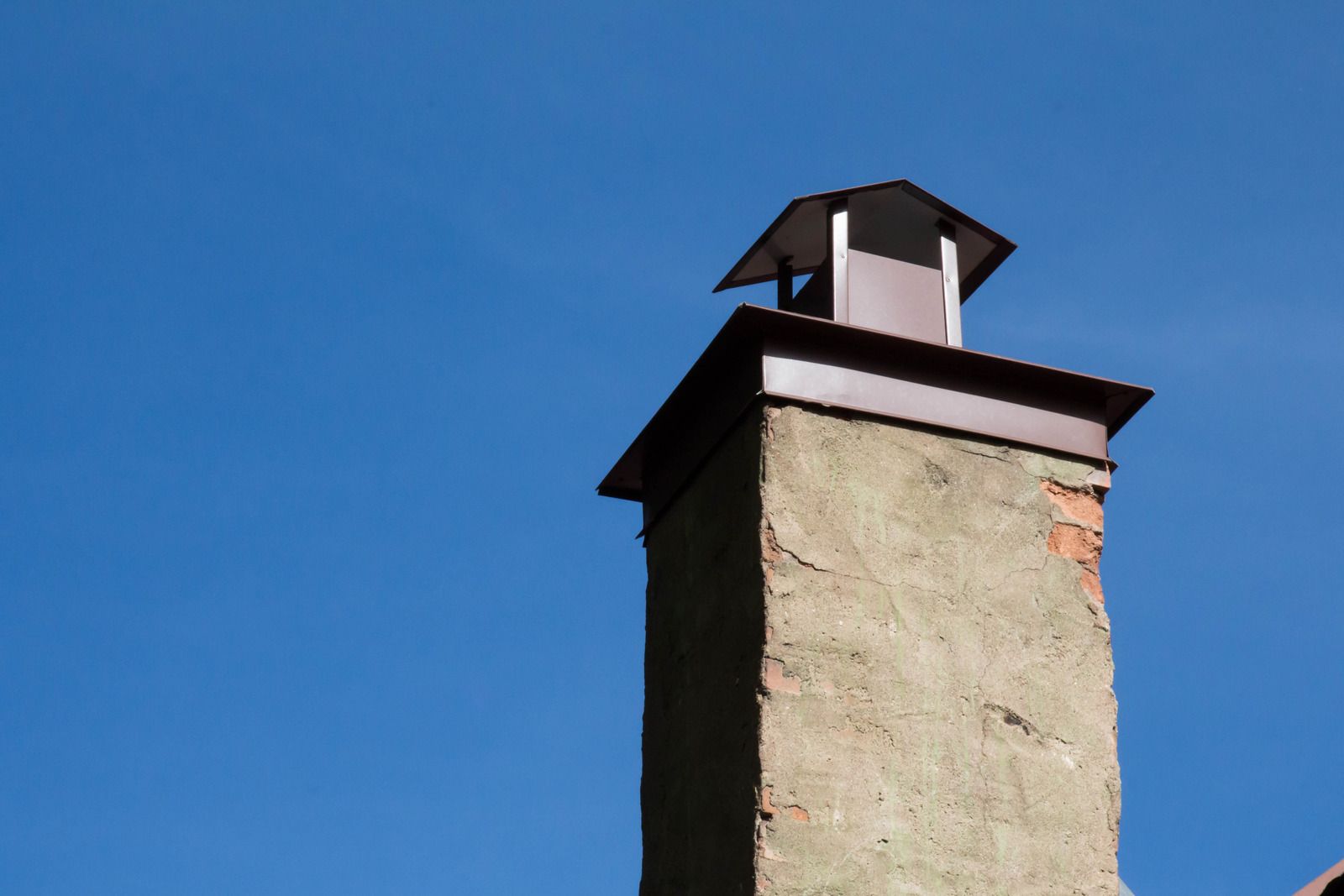
Traditional Chimney Systems
Often used with wood-burning units.
Direct Vent Systems
Frequently found in gas fireplaces. These systems draw combustion air from outside and vent exhaust directly outdoors.
Vent-Free Systems
Certain gas fireplaces operate without traditional venting, though local regulations may vary.
Correct venting is essential for both safety and performance.
Clearance and Safety Zones
Manufacturers specify minimum clearances between the fireplace and combustible materials.
These guidelines help prevent:
- Overheating
- Structural damage
- Fire risks
Furniture placement, wall finishes, framing materials, and decorative elements must all comply with clearance requirements.
Real-World Installation Scenario
Consider a homeowner remodeling a family room. A traditional masonry fireplace may require structural modifications, foundation reinforcement, and significant labor. A pre-fabricated gas fireplace can often be integrated into the existing layout with less disruption while still providing the desired focal point and heating benefits.
This practical advantage explains why factory-built systems continue gaining popularity across residential construction projects.
Maintenance, Safety, and Long-Term Performance
Routine Inspection Matters
Like any heating appliance, pre-fabricated fireplaces require regular inspection.
Annual evaluations help identify:
- Venting issues
- Component wear
- Corrosion
- Creosote buildup
- Damaged seals
Addressing minor concerns early helps prevent larger problems later.
Cleaning Requirements
Maintenance needs vary depending on fuel type.
Wood-Burning Fireplaces
Require regular removal of ash and periodic chimney cleaning to reduce creosote accumulation.
Gas Fireplaces
Benefit from burner inspections, glass cleaning, and vent evaluations.
Electric Fireplaces
Typically require minimal maintenance beyond dust removal and occasional component inspection.
Common Mistakes Homeowners Should Avoid
Several maintenance mistakes can shorten fireplace lifespan.
Examples include:
- Ignoring annual inspections
- Burning inappropriate materials
- Blocking ventilation pathways
- Delaying repairs
- Using unauthorized replacement parts
Following manufacturer recommendations helps preserve performance and safety.
Signs That Service Is Needed
Homeowners should schedule professional evaluation if they notice:
- Excessive smoke
- Unusual odors
- Difficulty starting fires
- Visible rust or corrosion
- Cracked components
- Reduced heating performance
Prompt attention helps avoid costly repairs and potential safety concerns.
Maximizing Lifespan
Proper installation, regular maintenance, and responsible operation contribute significantly to system longevity.
When cared for appropriately, many pre-fabricated fireplaces provide dependable performance for decades while maintaining their visual appeal and heating capabilities.
Trusted Fireplace Solutions Backed by Decades of Experience
Pre-fabricated fireplaces offer homeowners a practical way to enjoy warmth, comfort, and visual appeal without the complexity associated with traditional masonry construction. By understanding fuel options, installation requirements, maintenance responsibilities, and safety considerations, homeowners can make informed decisions that align with both their lifestyle and property goals. A properly selected and professionally installed fireplace can enhance comfort, improve aesthetics, and provide years of dependable service.
For homeowners seeking expert guidance, Shawn's Chimney Sweep & Stove Company
in Albuquerque, NM stands as a trusted resource within the fireplace and chimney industry. With 40
years of experience, we have built a reputation for delivering knowledgeable service, dependable workmanship, and professional support for fireplace installations, inspections, maintenance, and related heating solutions. Our extensive industry experience allows us to help homeowners navigate important decisions regarding pre-fabricated fireplaces while prioritizing safety, performance, and long-term value. Whether planning a new installation, evaluating an existing system, or seeking expert maintenance recommendations, we bring decades of practical knowledge to every project. Our commitment to quality service and customer education helps homeowners enjoy the benefits of their fireplace with confidence, making us a trusted authority for fireplace and chimney solutions throughout the region.