How Pellet Stoves Can Reduce Your Monthly Heating Bills
Quick Answer: A pellet stove lowers your heating bills by wasting less fuel to make the same amount of heat, not by burning some magically cheap fuel. Auto-feed combustion burns pellets far more completely than an open wood fire ever could, thermostatic control stops the stove from running full-blast once a room is already warm, and a properly sized stove can carry your main living space on its own so your furnace isn't cycling to heat the whole house. At Albuquerque's elevation, with dry air and cold, clear nights that pull heat out of a home fast, those efficiency mechanics matter more than almost anything else you'll consider when choosing a stove.
Walk into most conversations about heating costs and the talk turns to fuel prices first. That's the wrong place to start. Two households burning the exact same bag of pellets can end up with very different results depending on how completely their stove converts those pellets into usable heat, how well the stove matches the space it's heating, and how much of that heat actually stays inside the house instead of drifting up an oversized flue. The mechanics behind a pellet stove's efficiency are what determine whether you're getting real value out of every pound of fuel you load into the hopper, and those mechanics look a little different once you're heating a home at 5,300 feet with the kind of dry cold this valley gets from November through March.
What Actually Makes a Pellet Stove Burn More Efficiently Than an Open Fire
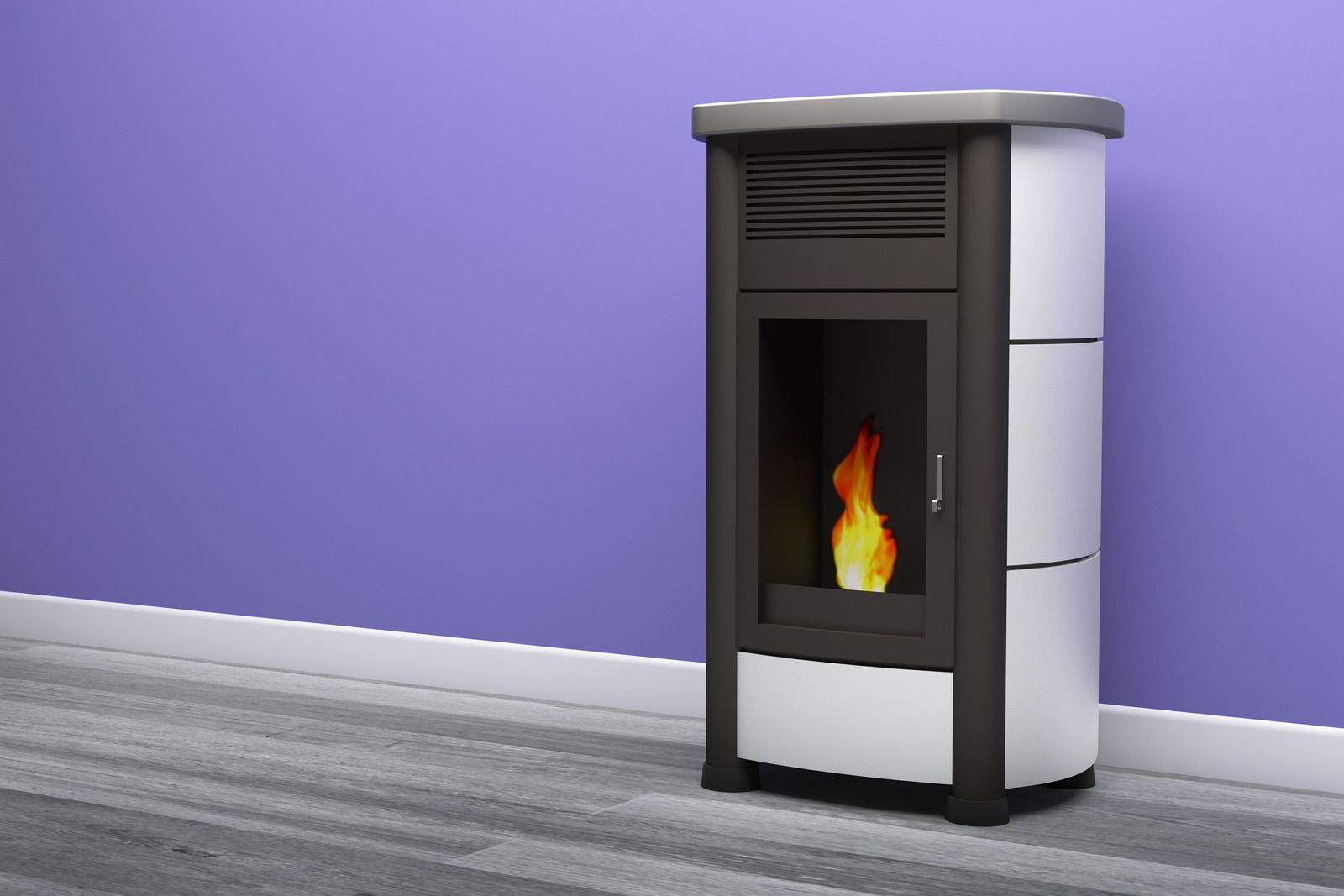
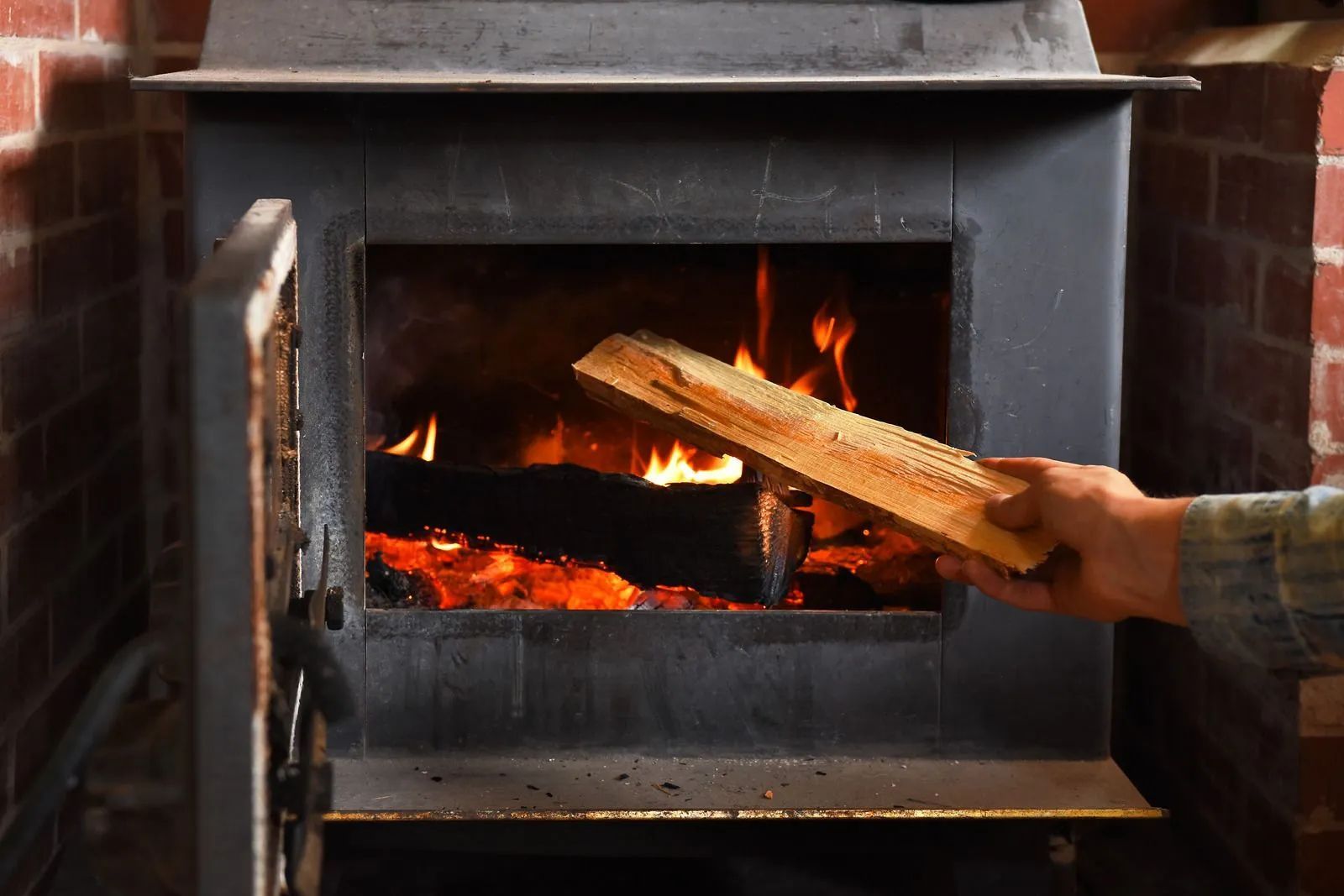
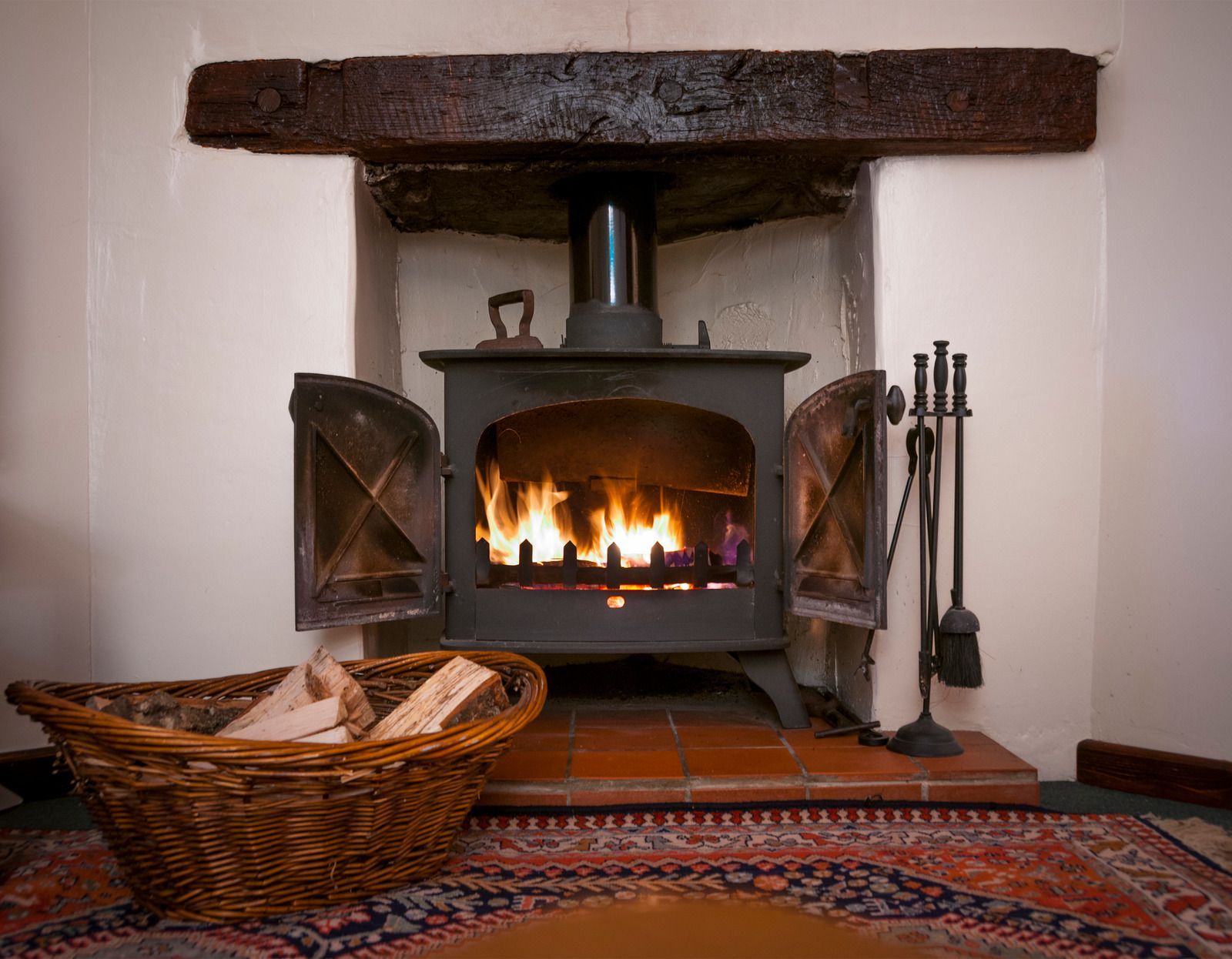
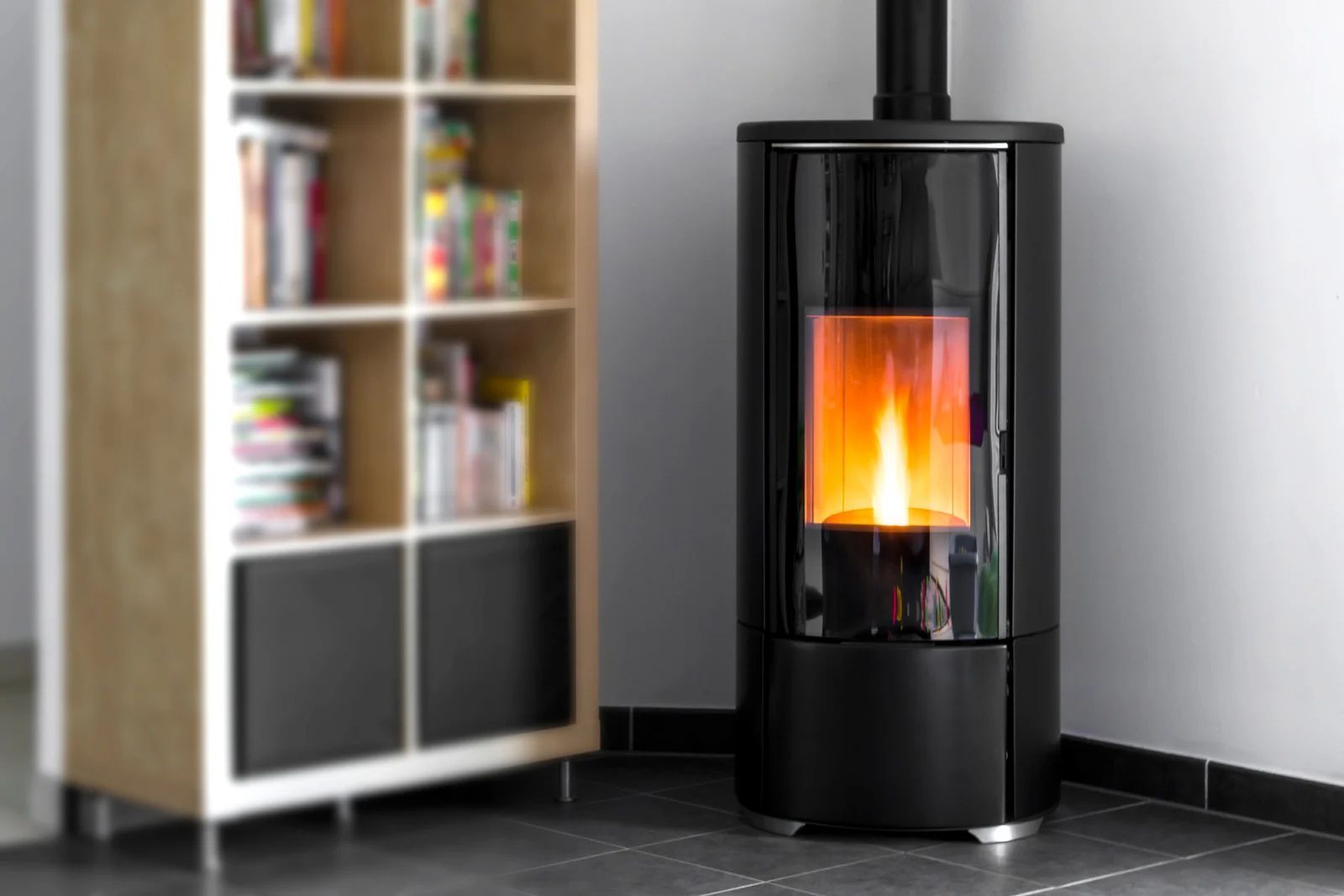
An open wood fire, even in a well-built masonry fireplace, sends a huge share of its heat straight up the chimney along with most of the room's already-warm air. A pellet stove works on a completely different principle. Pellets feed into a small burn pot in controlled, metered amounts, and a fan forces combustion air directly into that pot, which keeps the fire burning hot and complete instead of smoldering and starving for oxygen the way a loosely stacked log pile does. That forced, controlled airflow is the single biggest reason a pellet stove converts so much more of its fuel into usable room heat than a traditional wood fire does.
The stove's heat exchanger does the rest of the work. Instead of letting hot combustion gases escape straight up the flue, the exchanger pulls heat out of those gases and pushes it into the room through a blower before the exhaust ever leaves the building. That's a different kind of job than an open fireplace was ever built to do, and it's why a pellet stove can heat a room that a fireplace in the same spot would barely take the chill off of. None of this depends on the fuel being special. It depends on the appliance being engineered to extract heat from combustion instead of losing it.
Combustion completeness is the other half of the equation. When pellets burn cleanly, nearly all of their stored energy converts to heat rather than escaping as unburned particulate or smoke. A fire that's smoldering, starved for air, or choked with ash isn't just dirtier, it's also throwing away fuel that should have become warmth in your living room. Everything downstream of combustion, from the auto-feed system to the pellets themselves, exists to keep that burn as complete and controlled as possible.
Thermostatic and Auto-Feed Controls Stop You From Burning Fuel You Don't Need
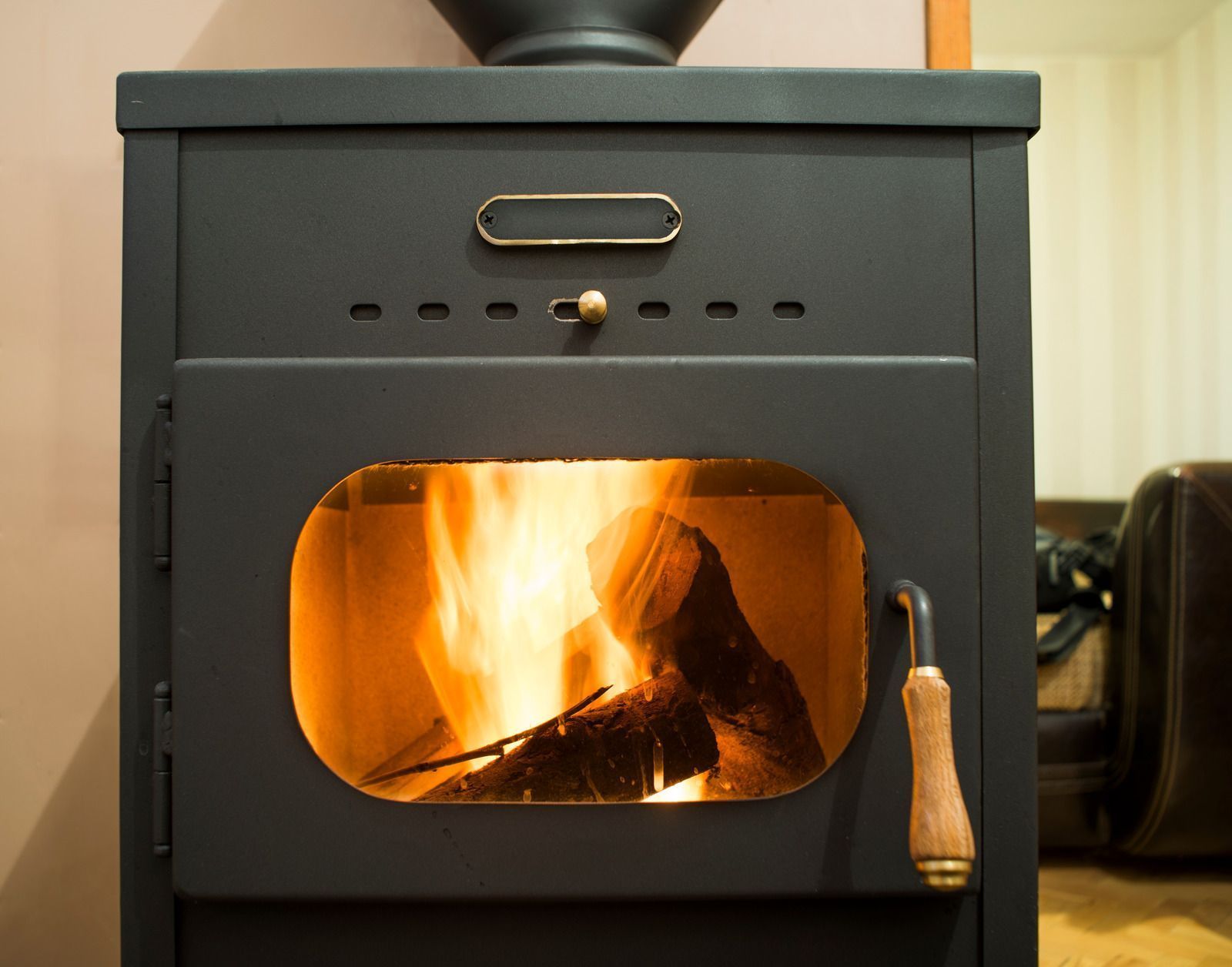
Here's where a lot of the actual bill reduction comes from, and it has nothing to do with the price per bag of pellets. A pellet stove with thermostatic control constantly adjusts how much fuel it feeds into the burn pot based on the temperature it's reading in the room, the same way a furnace cycles on and off based on what the thermostat sees. When the room reaches your target temperature, the auger slows its feed rate, sometimes down to a fraction of what it was running at full output, instead of the stove continuing to dump pellets into the burn pot at the same rate it did when the room was cold.
That turndown range matters enormously. A stove that can only run at one output level, full blast, keeps burning fuel at that same rate even after your living room is already comfortable, which means a good portion of what it's burning is simply wasted heat pushed into a room that didn't need any more. A stove with a wide turndown range and responsive thermostatic control can drop its burn rate low enough to just maintain the temperature you've set, using noticeably less fuel to hold steady than it used to reach that temperature in the first place. This is the mechanism that separates a stove that's technically efficient in a lab test from one that's actually efficient in your specific living room, on a specific cold night, with a specific amount of heat loss through your walls and windows.
Tip: When you're comparing pellet stoves, ask specifically about the stove's turndown ratio, meaning the difference between its lowest and highest heat output, not just its maximum BTU rating. A stove with a wide turndown range can idle low and hold a comfortable temperature using far less fuel than a stove that only has a couple of output settings, and that difference shows up directly in how much you're feeding the hopper over the course of a heating season.
Zone Heating: Letting the Furnace Rest While the Stove Carries the Load
A central furnace is built to heat an entire house evenly, which means it's moving air through ductwork, past every register, into rooms nobody's sitting in at 9 p.m. on a Tuesday. A pellet stove placed and sized to handle your main living space works on a completely different principle: it heats the room you're actually in, directly and continuously, without the duct losses and empty-room heating that come with running a whole-house system just to keep one or two rooms comfortable.
When a stove is sized correctly for the space around it, typically the main living area near the center of an open floor plan, it can carry that space on its own for long stretches, which means the furnace doesn't need to cycle nearly as often to maintain that same comfort level. That's zone heating in practice: instead of heating the whole house to keep one room warm, you're heating the room directly and letting the rest of the house coast on residual warmth and whatever the furnace needs to do to keep bedrooms and back rooms from getting uncomfortably cold. Adobe and adobe-style construction, common across a lot of Albuquerque's older neighborhoods, actually pairs well with this approach. Thick mass walls hold heat and release it slowly, so a stove that keeps the main living space consistently warm through the evening lets that thermal mass keep working through the night instead of losing ground to a furnace that's only cycling on when a distant thermostat calls for it.
Where a stove sits in the house has a direct bearing on how well this works. A stove tucked into a spare room or installed above a garage typically underperforms compared to one placed within roughly 25 feet of the home's common living area, simply because the heat it produces has to travel further, through more doorways and hallway turns, before it reaches the space you're actually spending your evening in. Getting that placement right is as much a part of the efficiency picture as the stove itself.
Pellet Quality and Moisture Content: The Fuel Half of the Efficiency Equation
Everything covered so far assumes the stove is burning good fuel. It's worth being direct about this: pellet quality has a real, measurable effect on how efficiently a stove performs, independent of how well-engineered the appliance is. Premium hardwood pellets that meet recognized quality standards typically run somewhere in the 3 to 6 percent moisture range along with low ash content, and that combination burns clean and hot with minimal leftover residue in the burn pot.
Wet or lower-grade pellets change that picture. Pellets that have absorbed excess moisture, whether from poor storage or lower manufacturing standards, force the stove to spend part of its combustion energy just driving off that extra water before the fuel can actually burn. That's energy the stove isn't putting into your living room, and it's fuel you're loading into the hopper that isn't converting into heat the way it should. Higher-ash pellets carry a related problem: more leftover residue in the burn pot means more frequent clogging around the air holes that feed the fire, and a burn pot with restricted airflow struggles to maintain the clean, complete combustion the whole system depends on.
Warning: Never store pellet bags directly on a garage or shed floor, especially against a concrete slab, even in a dry climate like this one. Concrete pulls moisture up from the ground and through the bag over time, and pellets that have absorbed that moisture won't feed or burn correctly, they can swell, jam the auger, or smolder instead of combusting cleanly. Keep bags up on a pallet or shelving, and keep them somewhere protected from the swings between daytime warmth and overnight cold that this region sees for most of the heating season.
Albuquerque's dry climate is a real advantage here compared to more humid parts of the country. Properly stored pellets are far less likely to pick up moisture between the bag and the burn pot. That advantage disappears fast if pellets are left exposed to ground moisture, condensation, or an unsealed bag over the course of a season, which is exactly why storage habits matter as much as the pellet grade you buy in the first place.
Frequently Asked Questions
Does a bigger pellet stove always mean lower heating bills?
No. An oversized stove tends to short-cycle, running low or switching on and off more than it should, working against a steady, efficient burn. Matching output to your space's actual square footage matters more than buying the largest model.
How much does elevation actually affect a pellet stove's performance here?
It affects the air-to-fuel ratio needed for clean combustion. At Albuquerque's elevation, thinner air means sea-level combustion settings can leave a stove running inefficiently unless adjusted for altitude, a routine part of proper local installs.
Do all wood pellets burn at roughly the same efficiency?
No. Moisture and ash content vary meaningfully between brands and grades, directly affecting how completely pellets combust. Two bags that look identical on a shelf can perform very differently depending on manufacturing and storage.
Can a pellet stove really replace my furnace for most of the winter?
A well-sized stove in the main living area can carry a significant share of the heating load, especially in an open floor plan. It's rarely a full furnace replacement, but it substantially reduces how often the furnace runs.
Why does my stove seem to use more pellets on some cold nights than others?
Thermostatic stoves respond to how much heat a space loses, which changes with outdoor temperature, wind, and insulation. A clear, cold, high-desert night pulls more heat out, so the auto-feed system runs harder, exactly as intended.
Does the type of wood used to make the pellets matter for efficiency?
Hardwood pellets generally deliver slightly more heat energy per pound than softwood, though both burn efficiently in a properly designed stove. Consistency and quality control from a reputable source matter more than hardwood versus softwood alone.
Efficiency Mechanics Are What Actually Lower Your Bills
A pellet stove's real value comes down to physics, not marketing. Controlled combustion, thermostatic turndown, and heat exchangers that pull warmth from exhaust before it escapes all determine how much of every pellet becomes usable heat. At Albuquerque's elevation, where thinner air changes the combustion equation entirely, altitude-adjusted settings and correct sizing matter just as much as the stove itself. None of these mechanics depend on fuel prices dropping; they depend on wasting less of what you already burn.
Getting those details right, from turndown range to placement near your main living space, is what separates a stove that earns its keep all winter from one that underdelivers. Shawn's Chimney Sweep & Stove Company
has spent 40
years fitting Albuquerque, NM homes with stoves sized and calibrated for this exact climate. That kind of hands-on experience is hard to replace with guesswork, and it shows in how consistently a well-matched stove performs once the temperature drops.