Gas Fireplaces vs. Wood Fireplaces: Which Produces More Heat?
Quick Answer: A wood burning stove or insert usually produces the most raw heat, with many mid size models rated in the range of 40,000 to 60,000 BTU per hour. A sealed direct vent gas fireplace typically lands lower, often between 20,000 and 40,000 BTU per hour, but it delivers nearly all of that heat into the room and holds it steady. An open wood fireplace and a set of vented gas logs both lose most of their heat up the chimney, so they rarely win a heating contest. The right answer depends on whether you want maximum output or dependable, easy warmth.
You are standing in the showroom, or maybe just in front of your living room wall, and you are trying to settle one question before you spend a winter regretting the choice. Which one actually heats the room better, gas or wood? Everyone you ask has an opinion. Your neighbor swears by his wood stove. Your sister loves the push button flame in her gas unit. Neither of them can tell you what the numbers look like for your house.
Here is the honest version. Gas and wood heat a room in very different ways, and the label on the box only tells part of the story. A fireplace with a big number on the spec sheet can feel weaker than a smaller one that sends its warmth into the room instead of up the flue. In a high desert city like Albuquerque, where winter nights drop well below freezing and the air is bone dry, those differences show up quickly on a January evening.
This guide breaks down what each fuel really produces, how efficiency changes the answer, and how to pick the one that fits your home.
What a BTU Rating Actually Tells You
Heat output is measured in BTUs per hour. A higher number means the appliance can release more heat when it is running flat out. That is a useful starting point, but it is not the whole picture, because the number describes the fire, not the warmth that reaches you.
Wood stoves and inserts generally have the higher ceiling. A mid size EPA certified stove can be rated for many tens of thousands of BTUs per hour, and a large one can heat a big part of a house when the fire is going strong. Gas fireplaces tend to sit lower on the scale. Many direct vent models list somewhere between 20,000 and 40,000 BTUs per hour, and smaller ones can sit below that. On paper, wood wins the output contest more often than not.
The catch is that a wood fire is not a steady source. Output rises when you add fuel, peaks while the logs burn hard, and then falls as the load turns to coals. A gas fireplace sits at whatever setting you choose for as long as you want it. Over a whole evening, the steady unit can deliver comparable comfort even with a smaller number on the label.
Efficiency Decides How Much of That Heat You Feel
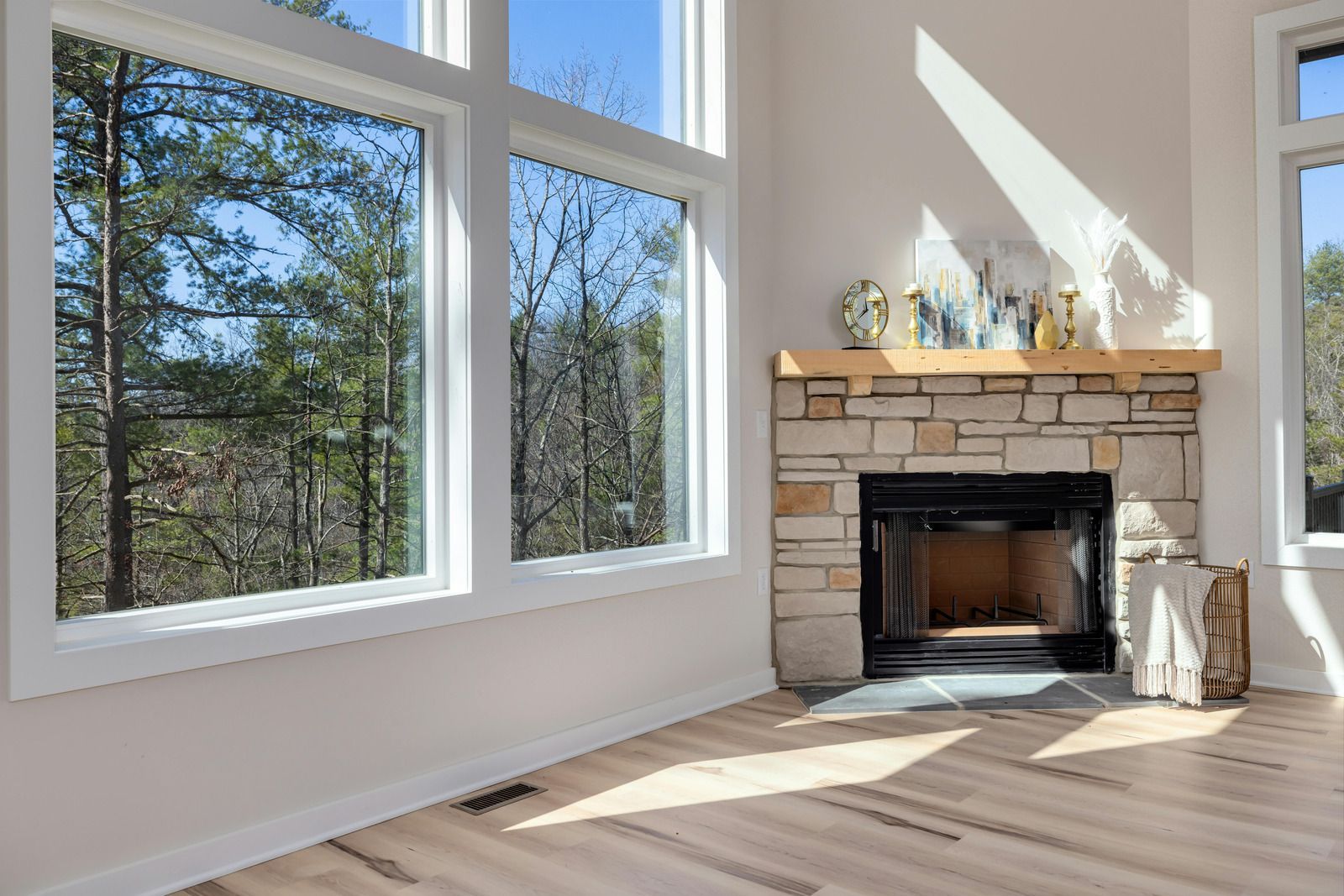
This is where the comparison gets interesting. Efficiency describes how much of the fuel's energy ends up warming your room instead of leaving through the flue. An open masonry wood fireplace is a poor performer here. The EPA notes that traditional fireplaces are typically very inefficient heaters, and most of the heat from an open fire goes straight up the chimney along with the room air the fire pulls in.
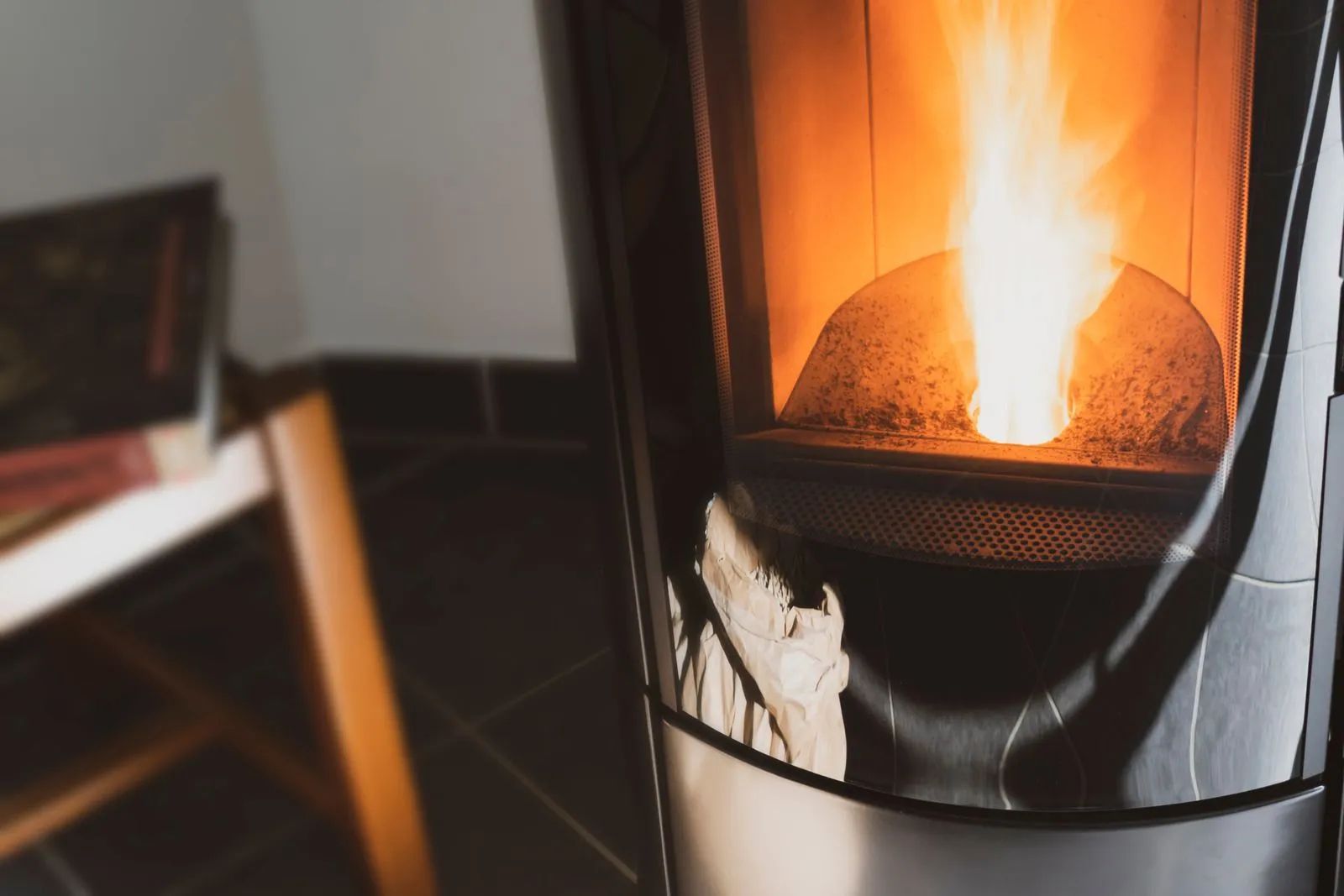
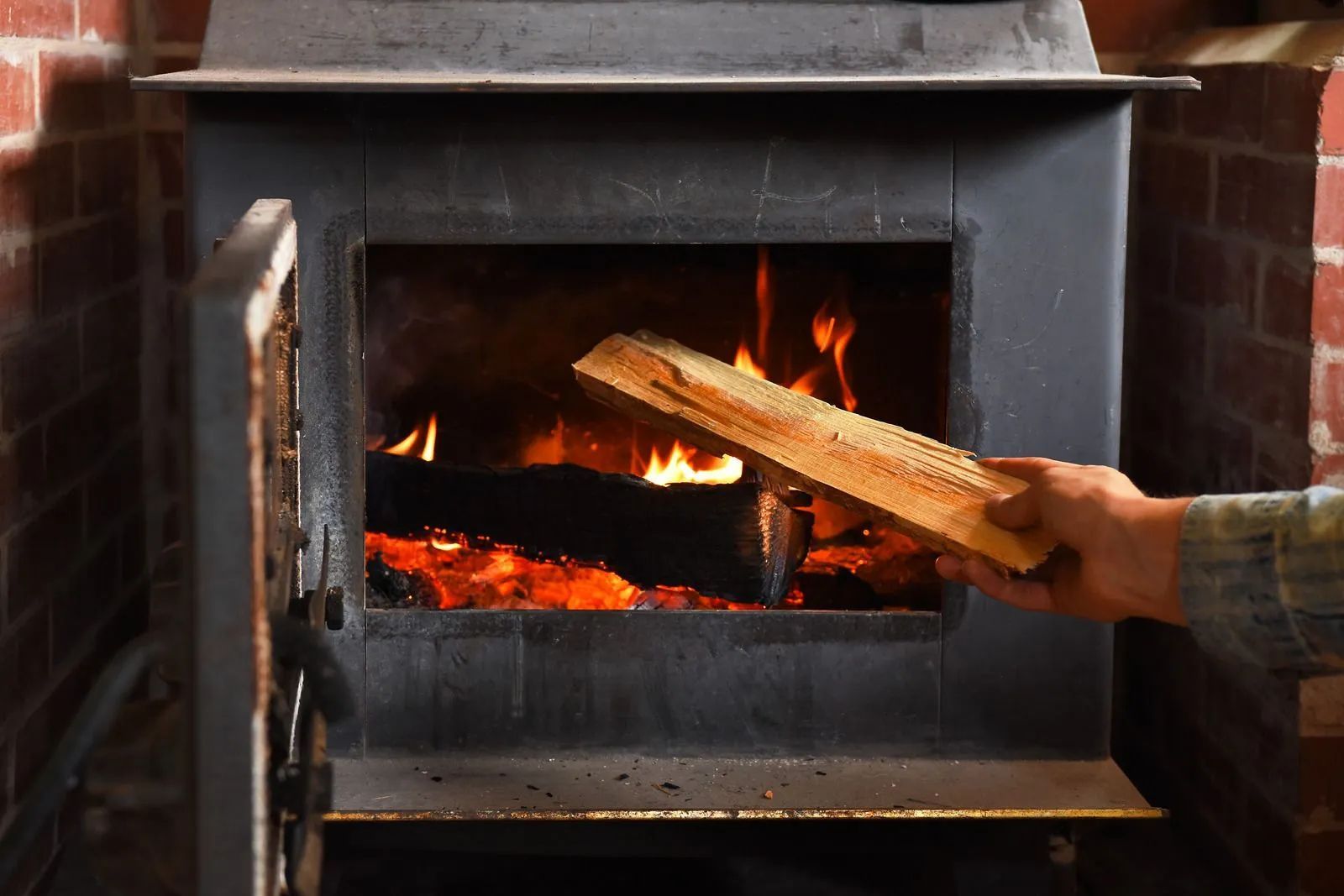
A certified wood stove or insert changes that completely. The fire is enclosed, the air supply is controlled, and the stove body radiates heat into the room. These units are far more efficient than an open hearth, which is why a small stove can out heat a large open fireplace many times over.
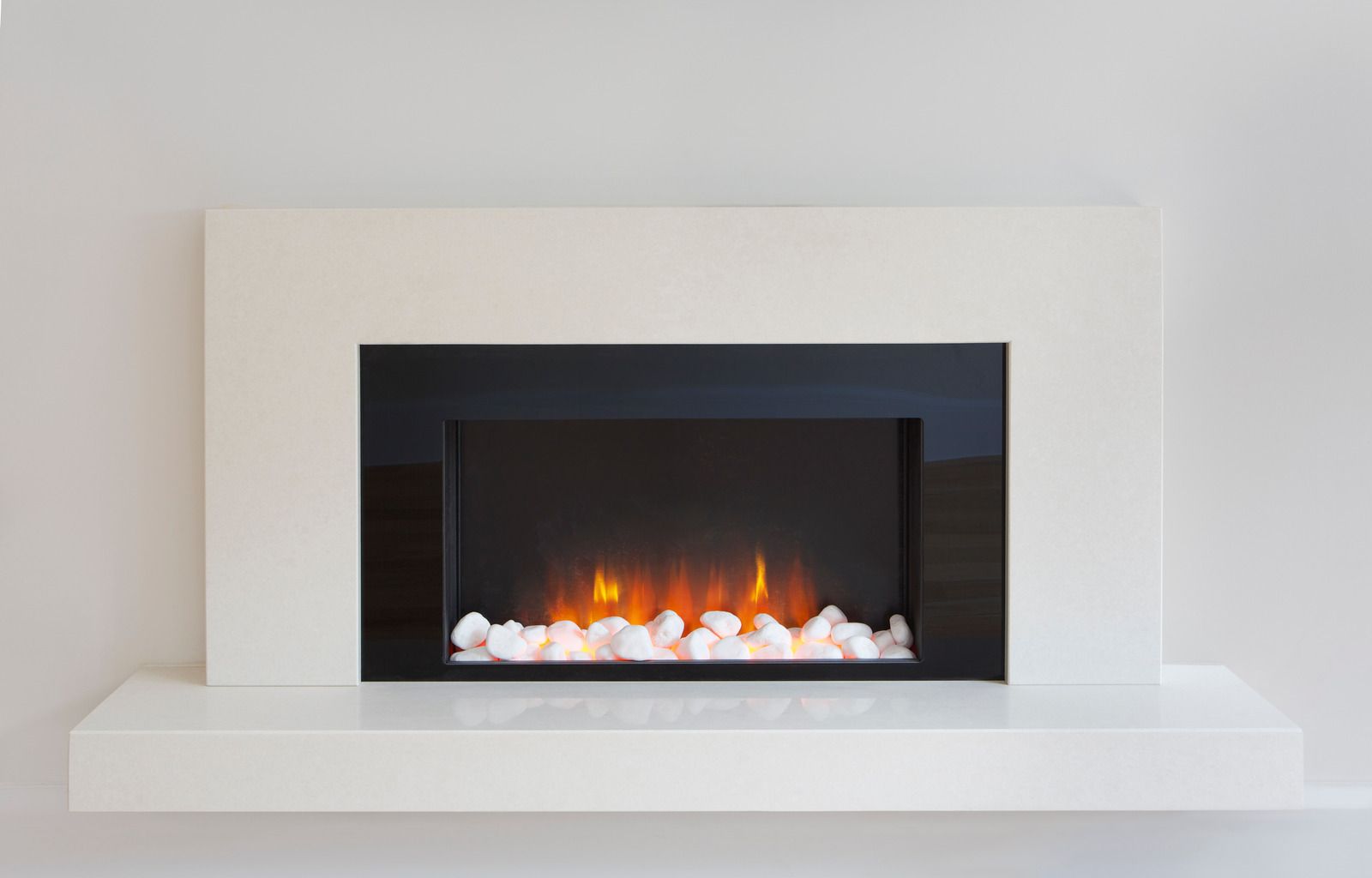
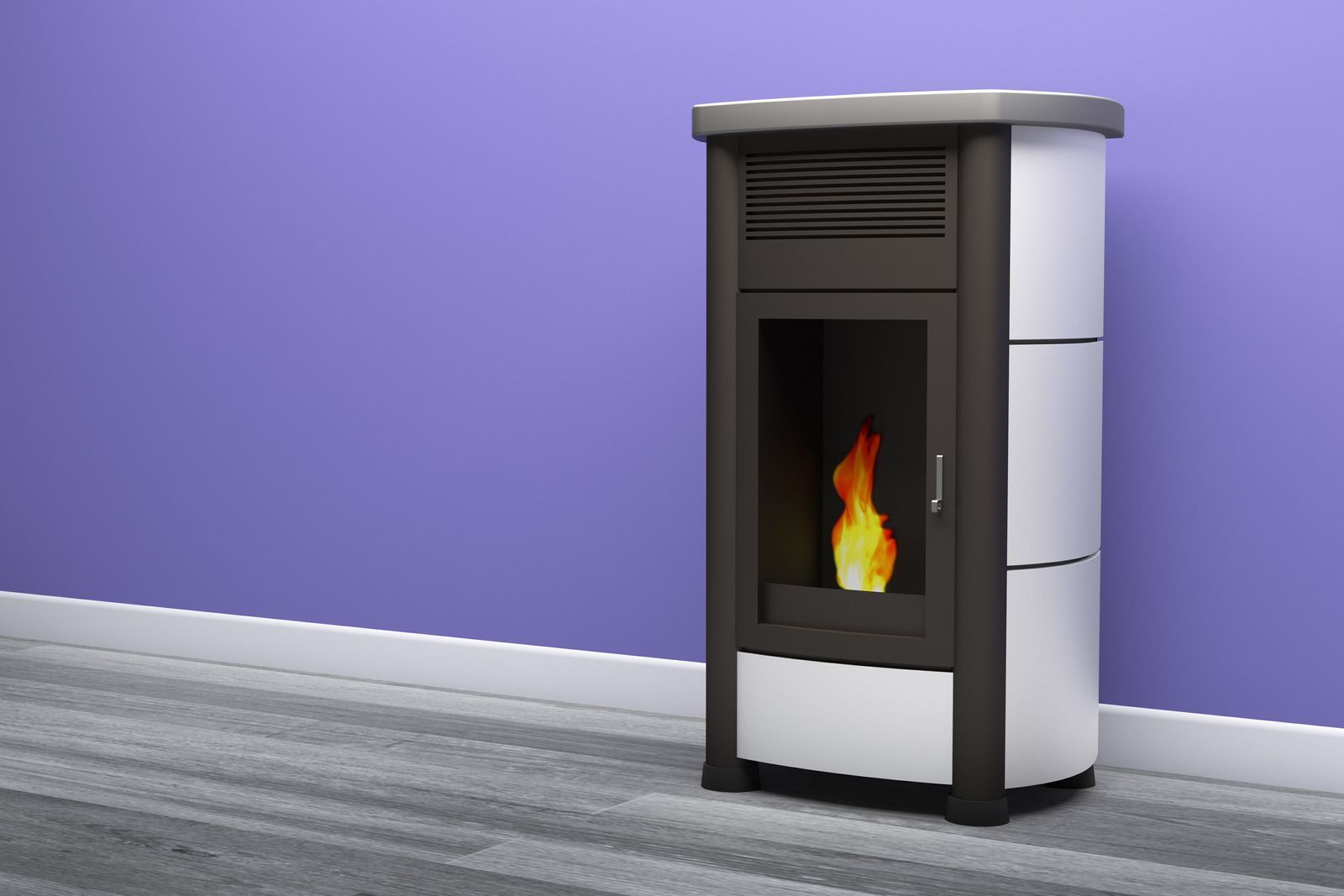
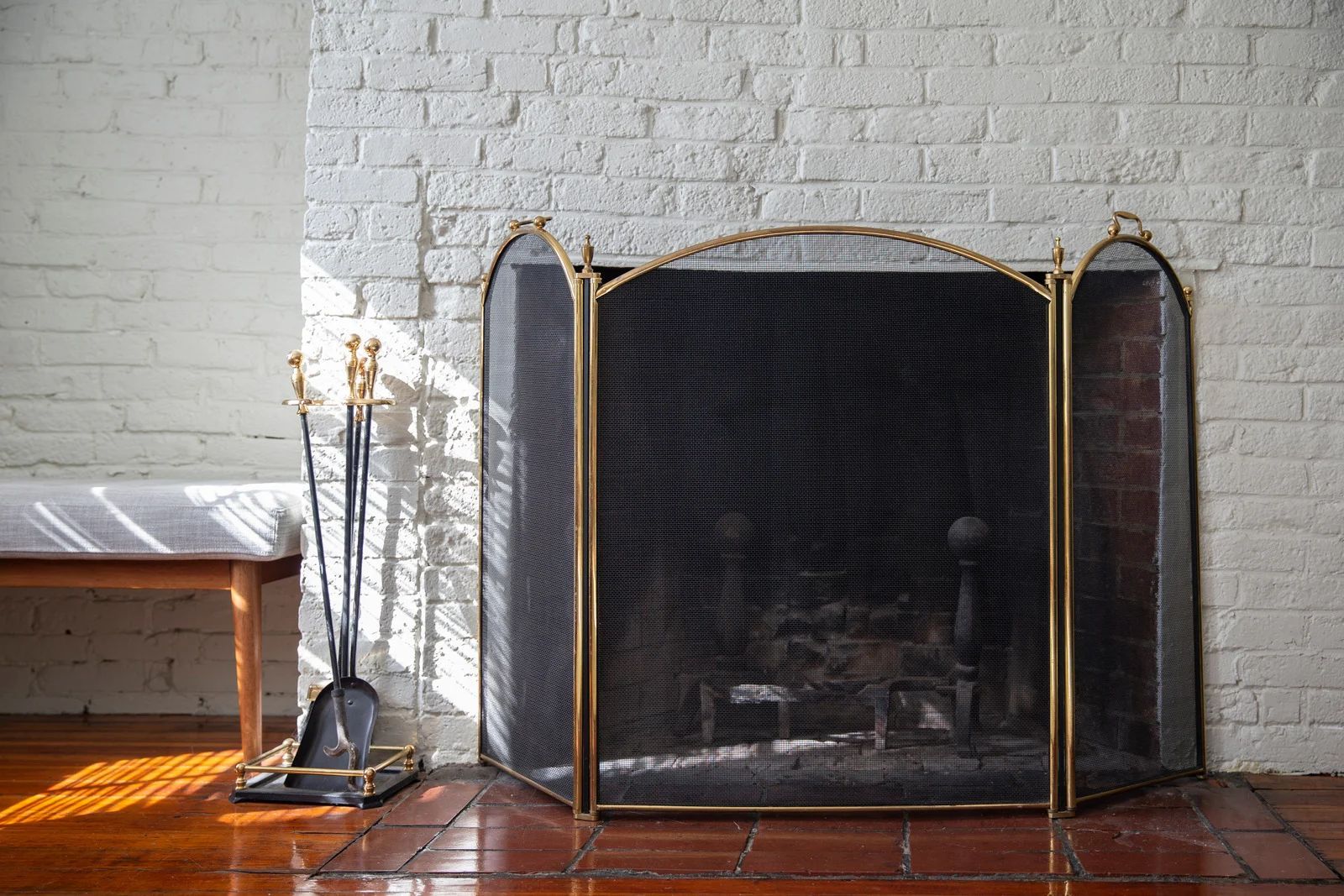
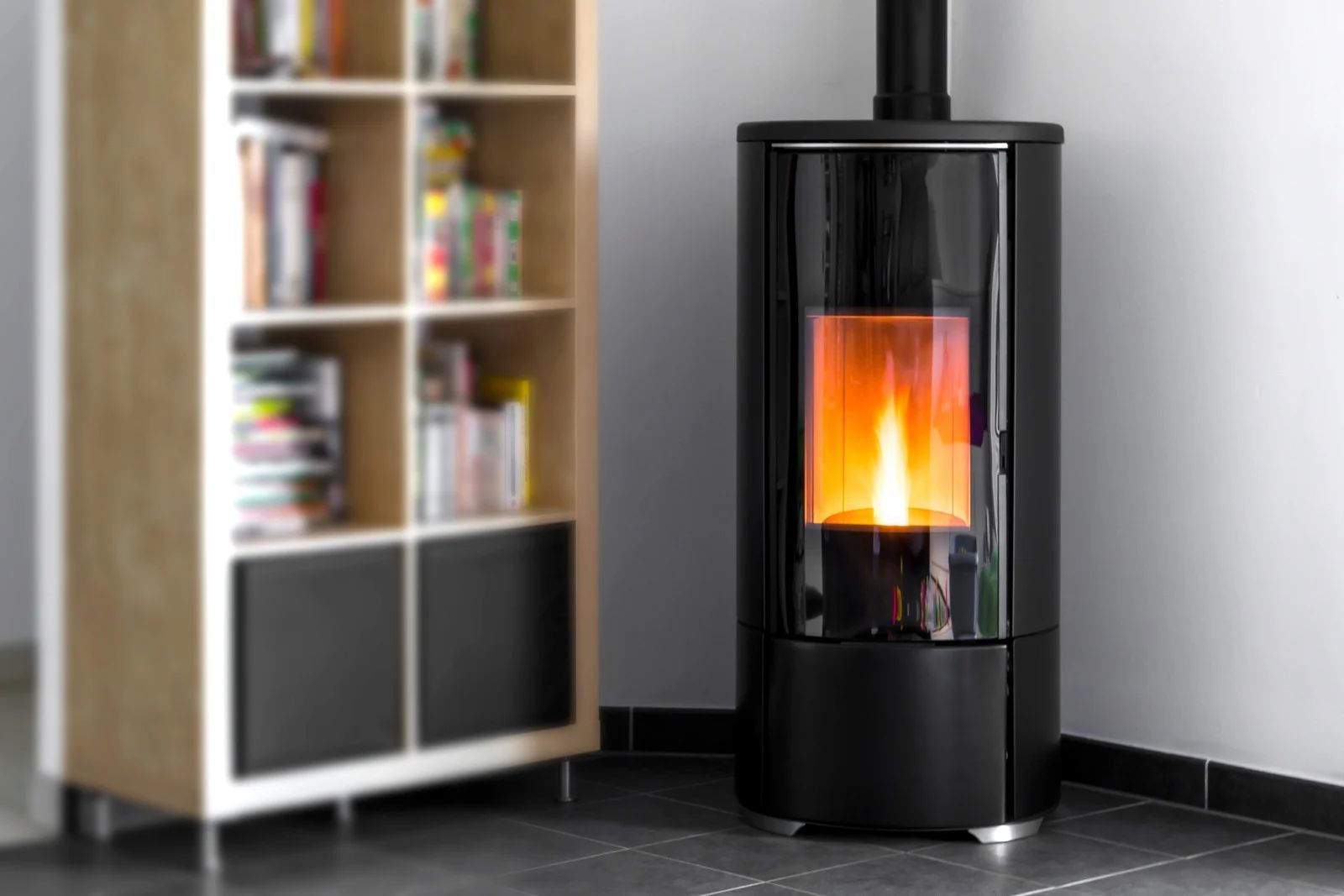
Gas follows the same split. Vented gas logs in an open firebox look wonderful, but they behave like an open fireplace because the damper has to stay open and much of the warmth leaves with the exhaust. A sealed direct vent gas fireplace is a different appliance. It draws combustion air from outside, vents the exhaust through a sealed pipe, and keeps the glass front closed, so most of the heat stays in the house. When you compare equal setups, a sealed gas unit and a certified wood stove are both strong heaters. An open wood fireplace and decorative gas logs are both weak ones.
Tip: When you compare models, ask for the overall efficiency rating rather than only the maximum BTU number. A 30,000 BTU sealed gas unit that sends most of its heat into the room can feel warmer than a 45,000 BTU open style fireplace that loses most of it up the chimney.
How Each One Delivers Heat to the Room
Two units with the same output can feel very different depending on how the warmth moves. There are two main ways heat reaches you.
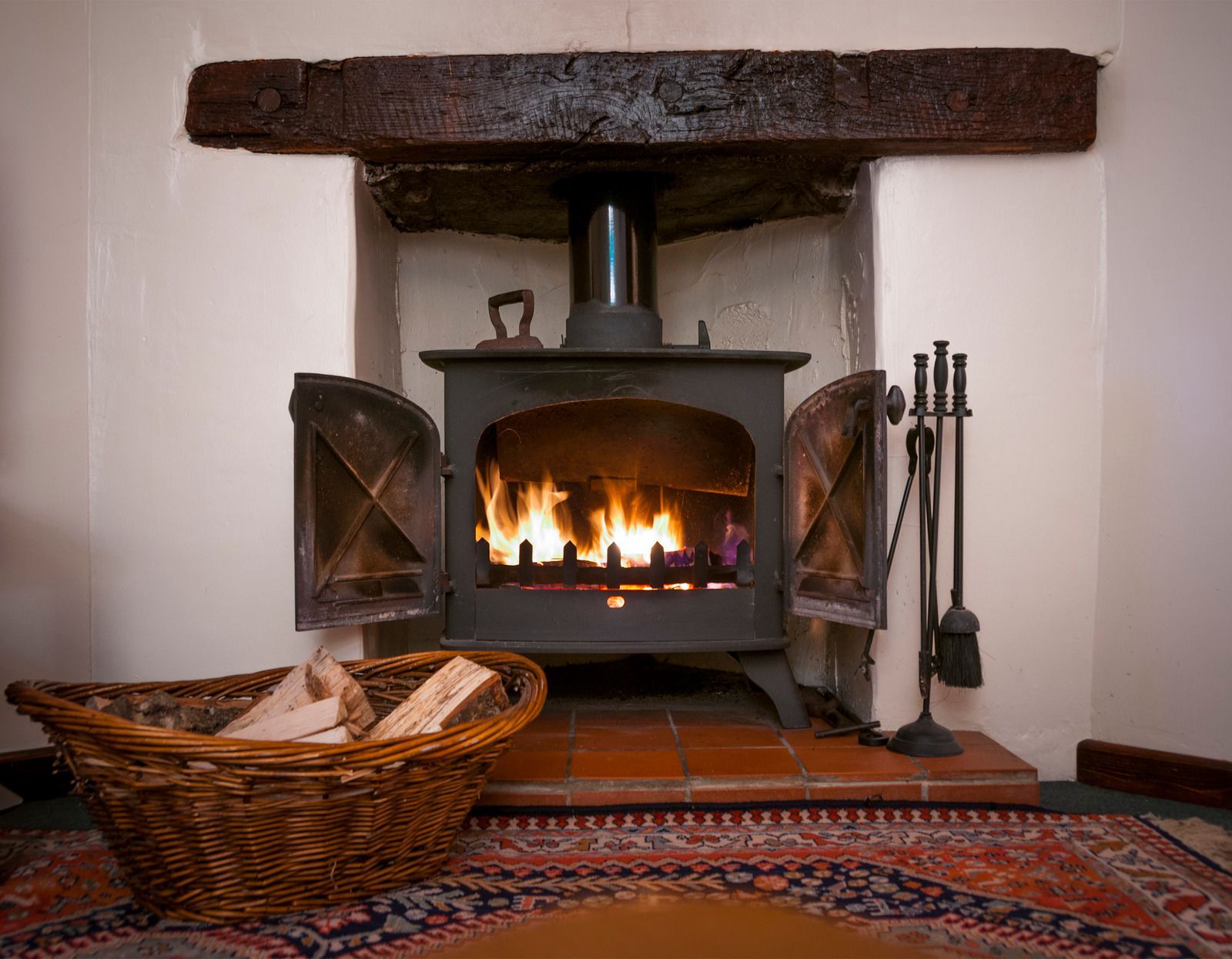
Radiant heat travels in straight lines and warms whatever it touches, including you, the couch, and the stone around the hearth. Wood stoves are strong radiant heaters. Sit within a few feet of a hot cast iron or steel stove on a cold night and you feel it immediately on your skin. Radiant heat is wonderful for comfort in the room where the stove sits, and it is why a stove placed near the center of a living area works so well.
Convective heat moves by warming the air, which then circulates through the space. Many gas fireplaces and inserts add a blower that pulls room air across the hot firebox and pushes it back out. That moves warmth farther from the fire, which helps in an open floor plan or a long room. Glass fronted gas units also give off radiant heat through the glass, so you often get both effects at once.
The practical takeaway is that wood tends to give you a strong, close, radiant punch, while gas tends to give you an even, adjustable blanket of warmth that reaches farther with a blower. If you want to feel the heat from across the room, ask about the blower and the layout before you decide.
Heat Stability: Steady Gas Versus a Burning Cycle
Anyone who has run a wood stove knows the rhythm. You load it, the temperature climbs, the room gets toasty, and then an hour or two later it begins to fade until you add more wood. Some people love that rhythm. It feels like tending a fire, and the stove does reward attention. A well run stove with good fuel can hold a room comfortably through a long evening.
Gas removes the rhythm. You set the flame height or a thermostat, and the unit holds that level. Some models can modulate their output to follow the room temperature, which means no overheating and no cold stretches. For a household that wants consistent warmth without tending anything, that is a real advantage, and it matters most on mornings when you want the room warm before you get out of bed.
Neither style is better in every home. The question is whether you want to participate in your heat or have it simply show up.
Altitude and Dry Air: What Albuquerque Adds to the Comparison
Albuquerque sits at roughly 5,000 feet, and that affects both fuels. Thinner air means less oxygen for combustion. Gas appliances are generally set up for the elevation where they are installed, and manufacturers publish high altitude requirements for their units. This is one more reason to have a qualified installer set up a gas fireplace for local conditions instead of treating it like a plug and play purchase.
Wood stoves handle altitude well, and the dry climate helps them. Firewood in New Mexico seasons quickly compared to wetter parts of the country, which means a properly stored supply burns hot and clean. The winters here are cold at night but often sunny by day, so many homes need a strong evening heater more than an all day one. That fits a wood stove nicely, and it also suits a gas unit that you can switch on for a few hours.
Adobe and masonry homes add another factor. Thick walls soak up heat slowly and hold it for hours. A stove that radiates heat into those walls can keep a room comfortable long after the fire has settled. Gas heat reaches the walls more gently, which can make it feel more even.
Warning: Never use an unvented gas appliance or an open flame heater as a substitute for a properly installed unit, and never block the venting on a sealed gas fireplace. Combustion gases, including carbon monoxide, need a clear path outdoors. Install a working carbon monoxide detector near any room where you burn gas or wood.
Fuel, Convenience, and Daily Effort
Heat is only one part of living with a fireplace. The daily experience matters just as much as the output number.
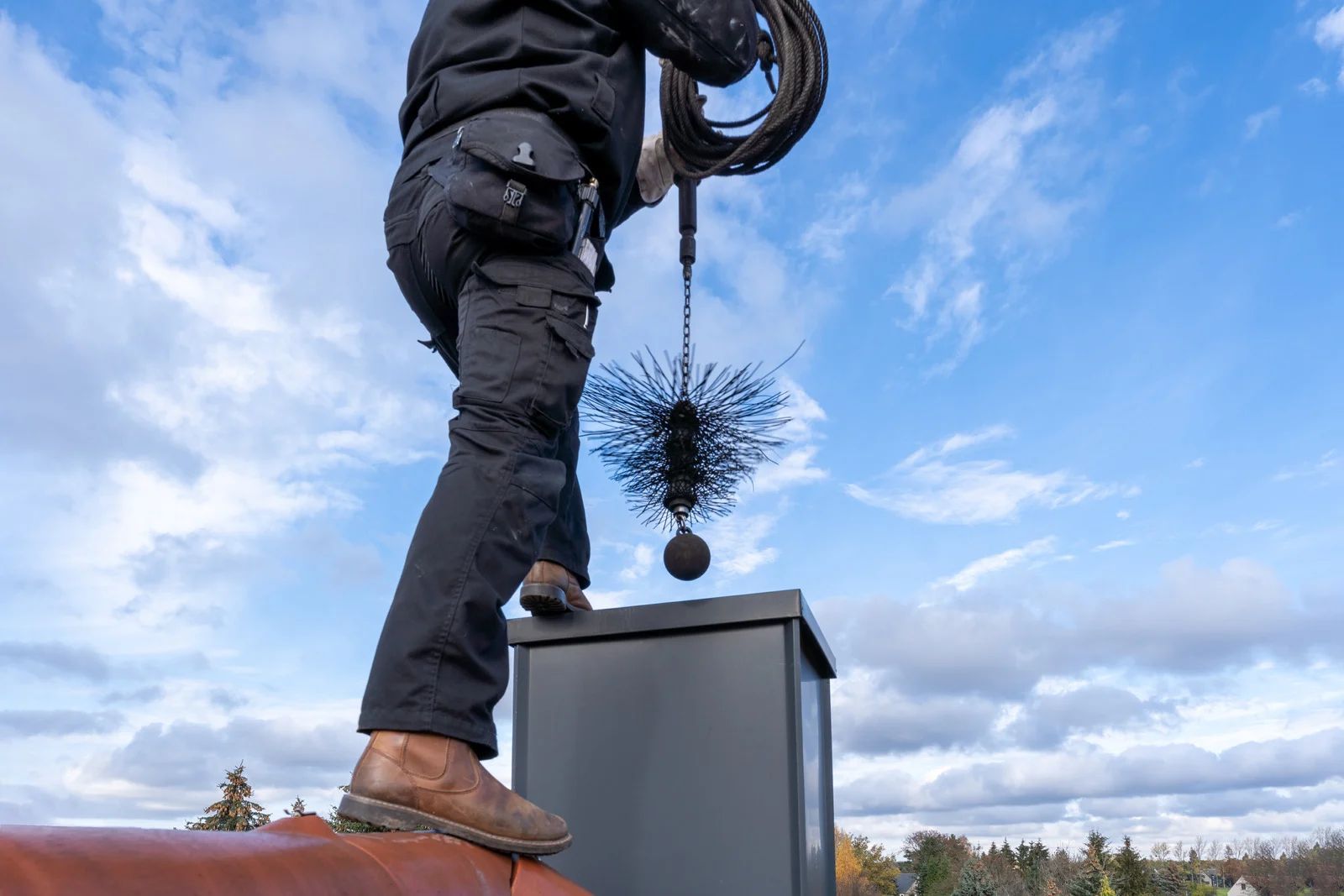
A wood stove asks for work. You need a supply of properly dried wood, a place to store it, and a routine of loading, tending, and cleaning out ash. Chimney care is part of ownership too, since a stove that burns wood leaves creosote that has to be swept on a regular schedule. In exchange, you get an independent heat source. A wood stove keeps running when the power is out, which matters during a winter storm.
A gas fireplace asks for much less. There is no hauling, no ash, and no smoke smell in your clothes. You turn it on and it runs. A gas unit is also easier to use for short stretches, like warming a room for an hour before dinner. Some gas models rely on electricity for the blower or ignition, so ask about battery backup if outages are a concern for you.
If you picture yourself stacking wood and enjoying the ritual, wood will suit you. If your winters are busy and you want warmth on demand, gas is hard to beat.
Matching the Right Fireplace to the Room
Room size and layout should drive your decision more than any single spec. A small den or bedroom does not need a big stove, and an oversized wood stove in a small room can run too hot to be comfortable. A modest sealed gas unit often fits that space better because you can dial it down.
A large living room, a great room, or a space with high ceilings often calls for more output, which is where a properly sized wood stove or a larger gas fireplace with a blower earns its place. If your goal is heating a main living area through the coldest weeks, look hard at the output and efficiency of a certified wood stove or a sealed gas model. If your goal is atmosphere with a bit of warmth, a smaller sealed gas unit does the job without overheating the room.
An experienced showroom team can help you match the unit to your square footage, ceiling height, and floor plan, because sizing mistakes are far more common than people expect.
Frequently Asked Questions
Does a gas fireplace heat a room as well as a wood stove?
A sealed direct vent gas fireplace can heat a room very well, especially one of moderate size. A wood stove usually has a higher maximum output, so it tends to win in a large space or a very cold evening. For a typical living room, a well chosen gas unit gives comparable comfort with steadier temperatures.
Do vented gas logs put out real heat?
Not much. Vented gas logs are mainly decorative because the damper stays open and most of the warmth goes up the chimney. If real heat matters to you, a sealed gas fireplace or insert is a far better choice than a log set.
Which one is better during a power outage?
A wood stove is the more dependable choice. It needs no electricity to produce heat. Many gas units still give heat during an outage if they run on a standing pilot or have battery backup, but you should confirm that with the specific model you are considering.
Can I convert my open wood fireplace to gas?
In many cases, yes. Options include gas inserts and sealed gas fireplace systems that fit into an existing opening. The condition of the chimney and the firebox size both matter, so the opening should be inspected before you choose a unit.
Is a wood stove or a gas fireplace better for an adobe home?
Both work well. A wood stove radiates strong heat that thick walls absorb and release slowly, while a gas fireplace offers steady, adjustable warmth. Your layout and how you plan to use the room should guide the choice.
How do I know what size fireplace I need?
Size depends on the square footage you want to heat, ceiling height, insulation, and room layout. An oversized unit overheats the room, and an undersized one never catches up. A showroom visit with your floor plan gives you the clearest answer.
Finding the Fireplace That Fits Your Home
Wood generally delivers more raw heat and keeps working when the power fails, while gas offers slightly lower peak output with steady, effortless control. The strongest performers in each category are enclosed, sealed appliances, since open wood fireplaces and decorative gas logs send most of their warmth up the chimney. Weighing output, efficiency, room size, and daily effort together makes the right choice much clearer. A well matched unit keeps a living room comfortable through the coldest nights without constant adjustment.
Shawn's Chimney Sweep & Stove Company
has served Albuquerque, NM for 40
years, helping homeowners match stoves, gas
fireplaces, and inserts to their rooms, chimneys, and high desert altitude. That experience helps the team size each unit correctly, whether the home is adobe, masonry, or a newer open floor plan. Families who choose with real information tend to enjoy reliable warmth, fewer surprises, and a fireplace they are glad to use all winter.